Languages
Sunday, October 25, 2026



News and Views from the Global South

Soybean Exporters in Greenpeace's Sights
The international environmental group blames Cargill and other agricultural multinational corporations for deforestation in the Amazon, and charges that construction of new highways, like BR-163, will encourage more logging to clear land for soybean fields.ENVIRONMENT: New Data Clearly Link Storms and Warming
Canada's leading scientific society on climate called for urgent government action on climate change at its most recent national conference last week.WORLD ENVIRONMENT DAY – JUNE 5: Air Pollution Goes Global
U.S.-based coal-burning power companies have become the target of international lawsuits so Canadians can one day hope to breathe cleaner air.ENVIRONMENT DAY: Air Pollution Goes Global
U.S.-based coal-burning power companies have become the target of international lawsuits so Canadians can one day hope to breathe cleaner air.DEVELOPMENT: Energy-Hungry Nations Also Most Wasteful
China, India and Brazil could cut their rapidly rising energy use and greenhouse gas emissions by more than 25 percent using existing energy efficient technologies.DRUGS-CANADA: U.S. in Pursuit of “Prince of Pot”
Canadian Marc Emery, known as the "Prince of Pot", says the U.S. extradition request hanging over him for selling marijuana seeds over the Internet is a "sadistic" move by the George W. Bush administration to silence the drug legalisation movement.POPULATION: Global Food Supply Near the Breaking Point
The world is now eating more food than farmers grow, pushing global grain stocks to their lowest level in 30 years.
U.S. in Pursuit of Canada's Prince of Pot”
The United States is requesting extradition of Canadian Marc Emery, who sold marijuana seeds over the Internet for 11 years. "I am not a dealer, but a political activist in favor of legalization," Emery told Tierramérica.ENVIRONMENT: What Are Zooplankton? (And Why You Should Care)
Scientists probing the depths of the Sargasso Sea have discovered new species and learned more about the vital role of its smallest animals, zooplankton.ENVIRONMENT: Canada Backpedals on Kyoto Promises
Canada's top climate scientists are calling for action on climate change after the new government said it will not try to meet its emissions cuts commitments under the international Kyoto Protocol treaty.ENVIRONMENT: When Science Inconveniences Bush
The unprecedented efforts of the administration of President George W. Bush to gag and suppress research findings it doesn't like are putting science in the United States at risk, say experts.ARCTIC: Canada and Denmark Revive Sovereignty Claims
Canada and Denmark launched a joint expedition in early April to map the floor of the Arctic Ocean and help the two countries prove their claims of sovereignty over areas potentially rich in petroleum and natural gas.
When Science Inconveniences Bush
Scientists denounce what they see as obsessive attempts by the White House to muzzle them and to eliminate research that it doesn't like.
Sovereignty Claims Revived in the Arctic
An expedition is under way to help Canada and Denmark prove their sovereignty over certain areas of this frozen region, and its potential sources of petroleum and natural gas.ENVIRONMENT: Climate Change Shattering Marine Food Chain
Vast swaths of coral reefs in the Caribbean sea and South Pacific Ocean are dying, while the recently-discovered cold-water corals in northern waters will not survive the century - all due to climate change.ENVIRONMENT: The Big Melt Coming Faster Than Expected
Beaches, islands and even continents are shrinking as ocean levels rise ever higher due to the accelerating meltdown of the world's glaciers and polar ice due to climate change.ENVIRONMENT-CANADA: Annual Seal Hunt Begins
Despite protests by animal rights activists, including former Beatle Paul McCartney and French film star Bridgette Bardot, the annual seal hunt has begun on the ice floes of the Gulf of St. Lawrence in eastern Canada.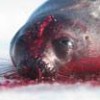
Annual Seal Hunt Begins in Canada
BSome 325,000 seals are in the sights of hunters in the Gulf of St. Lawrence. Canadian authorities and local residents say the bloody spectacle is justified.WATER: Wasteful Farming Leaves Little for Drinking
Agriculture poses the biggest threat to the world's freshwater resources, while over-fishing threatens the oceans, according to the first global assessment of fresh and salt water resources.TECHNOLOGY: Better Living Through Open Source?
Electronic governance promises to cut corruption and improve transparency, and open source software offers a way to break the South's technological dependence on industrialised countries, experts say.HEALTH: New Studies Back Benefits of Organic Diet
Organic foods protect children from the toxins in pesticides, while foods grown using modern, intensive agricultural techniques contain fewer nutrients and minerals than they did 60 years ago, according to two new scientific studies.« Previous Page — Next Page »





The Week with IPS

NEXT STOP - SDGs
Tracking global progress towards a sustainable world
Tracking global progress towards a sustainable world
