Languages
Tuesday, October 27, 2026



News and Views from the Global South
SCIENCE: Bioterror Fears Dim Biotech Potential
Terrorists using biotechnology could create virulent new diseases that threaten millions of people and imperil future development of the technology, ethical experts warn.New Studies Back Benefits of Organic Diet
Foods grown organically protect the body from the harmful chemicals in pesticides, but they are also more nutritious, say researchers.ENVIRONMENT: Skating on Ever Thinner Ice
Canada's greatest hockey heroes honed their skills on backyard ice rinks and frozen ponds. But in an ominous development, these are starting to vanish because of warm winter temperatures, says Mike Hudema of Global Exchange, a youth-oriented environmental NGO.POLITICS-US: They Blinded Us With Science
Evidence is mounting that U.S. scientists have been prevented by the George W. Bush administration from telling the truth about global warming and other environmental and health issues.ENVIRONMENT-US: Major Firms Endorse Climate Plan
Several leading energy and manufacturing firms have joined with a prominent environmental think tank to develop the United States' first comprehensive plan to reduce greenhouse gas emissions.POLITICS: Bungled Peace-Building Opens Door to Terrorism
Washington's attempts to bring security to Iraq and Afghanistan are not only making life harder for local people, they are breeding more terrorists, warn international security experts.ARGENTINA-CHILE: Canadian Company Gives It All for Glacier Mining Site
The controversial, billion-dollar Pascua-Lama gold mine project, located on the Chile-Argentina border and requiring the removal of Andean glaciers, may begin construction this year despite strong opposition from environmentalists.ENVIRONMENT: World Stands at a Crossroads
With 60 percent of the Earth's ecosystems in trouble right now, according to the Millennium Ecosystem Assessment, what will the future be like in 2050?ENVIRONMENT: Biotech “Revolution” May Be Losing Steam
Just four countries plant 99 percent of the world's genetically engineered (GE) crops, despite more than a decade of hype about the benefits of agricultural biotechnology.CHALLENGES 2005-2006: More “Unnatural Disasters” on the Horizon
As the new year begins, extreme weather continues to plague the United States, and experts warn this may be the "new normal" under climate change.CHALLENGES 2005-2006: Racing Toward Climate Disaster
With 2005 the warmest year in modern times and new research confirming scientists' worst fears, most experts agree that urgent and innovative international action on climate change is needed.CHALLENGES 2005-2006: Racing Toward Climate Disaster
With 2005 the warmest year in modern times and new research confirming scientists' worst fears, most experts agree that urgent and innovative international action on climate change is needed.CHALLENGES 2005-2006: Globetrotting Tuna and Other Wonders
Five years of unprecedented international scientific study of marine life has revealed some mysteries of the oceans, but much more remains hidden.CLIMATE CHANGE: Carbon Market Still Green
The members of the Kyoto Protocol on climate change resolved at their week-long meeting in Montreal to support the treaty's Clean Development Mechanism (CDM), which allows industrialised countries to obtain credits by investing in clean energy projects in the developing South.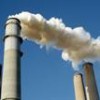
Carbon Market Still Green
The developing South can help fight climate change through the Clean Development Mechanism. But there is still much to be done before that scheme will be successful, said experts as the Montreal climate change conference drew to a close.ENVIRONMENT: In Shift, US Agrees to Future Climate Talks
More than 150 nations agreed early Saturday to launch formal talks on mandatory post-2012 reductions in greenhouse gases at the U.N. conference on climate change in Montreal.HEALTH: Learning the Lessons of SARS
Coping with a future influenza pandemic will require more than new drugs and good infection control - shared ethical values will also be needed, experts say.CLIMATE CHANGE: The Post-Kyoto Era Up for Debate
Representatives from 180 countries are meeting in Montreal this week to finally put into action the Kyoto Protocol for monitoring climate change, and start a new international discussion on what comes after that agreement expires in 2012.ENVIRONMENT: Walking the Talk on Global Warming
Canada is host and leader of the final push to put the Kyoto Protocol into action through talks on much deeper cuts to greenhouse gas emissions at a major U.N. meeting in Montreal this week.
The Post-Kyoto Era Up for Debate
Another international forum on climate change is underway this week in Montreal. The hope is to relaunch the debate about what will happen after 2012 -- but that task won't be easy.ENVIRONMENT: New Historical Data on the Seas Spells Alarm
New historical data reveal that the world's oceans are in crisis, largely due to overfishing - and they may not recover.« Previous Page — Next Page »





The Week with IPS

NEXT STOP - SDGs
Tracking global progress towards a sustainable world
Tracking global progress towards a sustainable world
