Languages
Wednesday, September 23, 2026



News and Views from the Global South
Radical Change Needed at Durban Conference, Experts Say
Global leaders will gather next week in Durban, South Africa to determine how to cap global warming at two degrees Celsius. This limit would entail de facto agreement to a global carbon budget of no more than 660 billion tonnes of carbon dioxide emissions between now and 2050, climate science says.
Toxins Rob More Than a Decade of Life from Millions
Toxic pollution affects the health of more than 100 million people, shortening their productive life spans by an astonishing 12.7 years on average.
Time to Derail Fossil Fuel Train, Energy Agency Warns
Countries have chained themselves to a fossil fuel train that is headed straight off a cliff, warns the International Energy Agency (IEA).
CANADA: Harper Government Guts Environment Programmes
Canada's Stephen Harper government is spending more than 60 billion dollars on new military jets and warships while slashing more than 200 million dollars in funding for research and monitoring of the environment.
GHANA: Toxic Electronic Waste Contaminates Nearby Areas
Mountains of hazardous waste grow by about 40 million tons every year. This waste, mostly from Europe and North America, is burned in developing countries like Ghana in a hazardous effort to recover valuable metals.
EcoMobility Gaining Ground, Step by Step
Berlin is a big capital city of a country famed for making excellent automobiles, but it can no longer afford roads and is now moving people by transit, bike and especially through walking.
EcoMobility is Gaining Ground, Step by Step
Cities around the world are embracing a new concept, “EcoMobility” or sustainable mobility: transportation without private vehicles.
Hard Targets Needed to Halt Land Degradation Crisis
Every six seconds, a child dies of hunger-related causes. That disturbing reality seems as remote as the moon here in the ultra-modern Changwon Convention Centre, where delegates struggled to create effective ways to stem the ongoing decline of food-producing lands.
Durban May Be Last Chance to Stabilise Climate Under Two Degrees
The window to limit global warming to less than two degrees C is closing so fast it can be measured in months, a new scientific analysis revealed Sunday.
AFRICA: Gov’ts Fail to Invest in Hungriest, Poorest Regions
For millennia, people have coped with drought in the Horn of Africa, comprised mainly of drylands. Yet today, more than 13 million people there are starving because of political instability, poor government policies and failure to invest in the world's poorest people, say experts here in Changwon.
Looking to the Sahel for Lessons in Pushing Back Deserts
Nearly all our food comes from the Earth's limited food- producing lands, but those lands continue to be degraded, guaranteeing far higher food prices and less food in the future, experts warn.Conference Renews Eroded Efforts to Combat Desertification
Degradation of land is the world's quiet crisis, undercutting food production, increasing water scarcity, impoverishing hundreds of millions of people and affecting two billion overall. Nearly 20 million square kilometres of the earth's arable lands – an area twice the size of Canada – have already been degraded.
Persistent La Niña Is Back Again
La Niña is back less than three months after the end of its last appearance, a particularly strong event that contributed to driving up global food prices.
Jail Before Climate-Wrecking Tar Sands, Canadians Say
More than 200 Canadians engaged in civil disobedience, with 117 arrested in Canada's quiet capital city on Monday. The reason? To protest the Stephen Harper right-wing government's open support for the oil industry and expanding production in the climate-disrupting tar sands.Rwanda Wins Gold for Forest Conservation Blueprint
Government policies are seldom lauded, yet Rwanda's forest policy has resulted in a 37-percent increase in forest cover on a continent better known for deforestation and desertification.Inheriting the Whirlwind of Extreme Events
The dramatic increase in extreme weather that has affected hundreds of millions across the planet is one of the clearest signs that burning billions of tonnes fossil fuels has seriously and permanently disrupted the global climate, experts say.
Record Arctic Ice Melt Threatens Global Security
All the analysis and commentary about safety and security on the tenth anniversary of 9/11 ignored by far the biggest ongoing threat to global security: climate change.
/CORRECTED REPEAT*/: U.S. Awash in Oil and Lies, Report Charges
With four times as many oil rigs pumping domestic oil today than eight years ago and declining domestic demand, the United States is awash in oil.Obama Challenged to Stand Up to Big Oil Lobby
The United States' biggest environmental groups put aside their differences last week to make an urgent intervention on the country's addiction to oil. The first step on the long road to recovery, they say, is to stop the proposed construction of the Keystone XL pipeline that will "mainline" the world's dirtiest oil from northern Canada into the U.S. heartland.8.7 Million Species Run Spaceship Earth
The life support system that generates the planet’s air, water, and food is powered by 8.7 million living species according to the newest and best estimate. We know next to nothing about 99 percent of those unique species - except that lots of them are going extinct.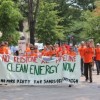
NORTH AMERICA: Keystone XL: A Pipeline to Europe?
The promoters of Keystone XL, a huge new oil pipeline from northern Canada to the U.S. Gulf Coast, claim that it will reduce U.S. reliance on oil imports from unfriendly countries.« Previous Page — Next Page »


The Week with IPS

NEXT STOP - SDGs
Tracking global progress towards a sustainable world
Tracking global progress towards a sustainable world
