Languages
Monday, September 21, 2026



News and Views from the Global South
No Magic Solutions for the Extinction of Species
The Earth's life support system, which generates the planet's air, water and food, is powered by 8.7 million living species, according to the latest best estimate. We know little about 99 percent of those unique species, except that far too many are rapidly going extinct.
Warming to Ignite the Carbon Bomb
Rising temperatures are drying out northern forests and peatlands, producing bigger and more intense fires. And this will only get much worse as the planet heats up from the use of ever larger amounts of fossil fuels, scientists warned last week at the end of the major science meeting in Vancouver.Warming to Ignite the Carbon Bomb
Rising temperatures are drying out northern forests and peatlands, producing bigger and more intense fires. And this will only get much worse as the planet heats up from the use of ever larger amounts of fossil fuels, scientists warned last week at the end of a major science meeting in Vancouver.
Scientists Urge Reform for a Broken Global System
Unless governments work actively to build a brighter future for humanity, climate change, poverty and loss of biodiversity will worsen and continue to exacerbate existing global problems, top scientists warned ministers attending the United Nations Environment Programme's (UNEP) governing council meeting in Nairobi, Kenya, on Monday.
Scientists Denounce Climate Change Denial, Censorship
Amid revelations of a well-funded U.S. organisation's plans to deliberately distort climate science, scientists and journalists at a major scientific conference called on the Canadian government to stop its muzzling of scientists.Building Sustainable Future Needs More Than Science, Experts Say
Contrary to popular belief, humans have failed to address the earth's worsening emergencies of climate change, species' extinction and resource overconsumption not because of a lack of information, but because of a lack of imagination, social scientists and artists say.Q&A: “The Environmental Crisis Is in Fact a Crisis in Democracy”
To meet the challenges of the 21st century, including climate change, feeding the world and eliminating poverty, we need to free ourselves from the "thought traps" that prevent us from seeing the world as it truly is and narrow our vision of how to respond.Shale Gas a Bridge to More Global Warming
Hundreds of thousands of shale gas wells are being "fracked" in the United States and Canada, allowing large amounts of methane, a highly potent greenhouse gas, to escape into the atmosphere, new studies have shown.Money Is All That’s Green in Biodiesel
The only green in biodiesel fuel is the money producers make from it, new research has revealed.Melting Ice Makes Arctic Access a Hot Commodity
China, Brazil and India want seats on the Arctic Council as global warming creates new opportunities for shipping and resource extraction in the vast Arctic region.Rio+20: The Moment When Everything Changed?
Humanity is driving Earth's climate and ecosystems towards dangerous tipping points, requiring radical new forms of international cooperation and governance, experts say.PERU: No Time Left to Adapt to Melting Glaciers
The water supplied by the glaciers of the Cordillera Blanca, vital to a huge region of northwest Peru, is decreasing 20 years sooner than expected, according to a new study.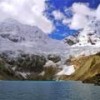
No Time Left to Adapt to Melting Glaciers
Water flows from Peru’s Cordillera Blanca, which has the most glaciers of any tropical mountain range in the world, are in a state of permanent decline 20 years sooner than forecasted.In Unprecedented Move, Canada Withdraws from Kyoto Protocol
Barely 24 hours after it signed a new global climate change agreement in Durban, South Africa, Canada became on Monday the first country to formally withdraw from the Kyoto Protocol, the only legally binding treaty to reduce emissions causing climate change.
Indigenous Peoples Call for REDD Moratorium
A new coalition of indigenous peoples and local communities called for a moratorium on Reducing Emissions from Deforestation and Forest Degradation (REDD) programs, a key part of the negotiations for a new international climate treaty that took place over the last two weeks in South Africa.
Agreement for New Global Treaty To Reduce Emissions
The world is increasingly committed to dangerous levels of global warming with yet another failure by nations of the world to agree to needed reductions in carbon emissions here in Durban. However, as the 17th Conference of Parties ended early Sunday morning, members did agree to talk about a new global treaty to reduce emissions.
Draft Climate Deal Dubbed a “Death Sentence for Africa”
No one is happy late Friday at the very contentious U.N. climate talks that went into extra time on Saturday. As the lights flicker on a rainy night here, the partial power failure echoes the failure of the multilateral process, according to civil society and some countries.
Failure to Bridge the “Emissions Gap” Brings Economic Crisis
Countries at the United Nations climate change negotiations have publicly acknowledged their current pledges to reduce carbon emissions will not result in limiting global warming to less than two degrees Celsius.
CLIMATE CHANGE: Kyoto Protocol on Life Support
The United States has become the major stumbling block to progress at the mid point of negotiations over a new international climate regime say civil society and many of the 193 nations attending the United Nations climate change conference here in Durban.
“Fracking” for Shale Gas: Neither Clean nor Green
Hydraulic fracturing or "fracking" is being used to tap the last remaining natural gas deposits across large areas of the United States and western Canada, fueling continued dependence on hydrocarbons instead of a shift to genuinely clean energy sources to cool the planet.
A Recipe for Carbon Farming
Civil society has warned of the danger of turning Africa's food-producing lands into "carbon farms" so that rich countries can avoid making cuts in their carbon emissions.« Previous Page — Next Page »


The Week with IPS

NEXT STOP - SDGs
Tracking global progress towards a sustainable world
Tracking global progress towards a sustainable world
