Languages
Thursday, October 15, 2026



News and Views from the Global South
JAPAN: Aid Cut to Hit Health Campaigns
International campaigns against AIDS, tuberculosis and malaria are headed for cuts in funding assistance, now that Japan is reducing its Overseas Development Assistance (ODA) budget in the wake of the disaster that hit the country in March.Sexuality No More Comic in Japan
As of July, Japanese minors will no longer be able to buy comic books featuring children portrayed as violent or as sexual objects, under an ordinance enacted by the Tokyo Metropolitan Government last December.JAPAN: Woodpecker Finds Allies Against U.S. Helicopters
At the foot of the pristine Yanbaru forest at the northern tip of Okinawa, Japan, a small cluster of tents gives shelter to a group of protestors guarding the area against the planned construction of six new military helipads for the U.S. forces on the island.JAPAN: Respect for Authority Gives Way to Anger
More than a hundred young nursing mothers living in Fukushima and nearby areas have signed up to get themselves checked for radiation contamination, but they would rather do it on their own, with no help from the Japanese government.Japan Veers Away from Nuclear Energy
Prime Minister Naoto Kan’s decision to stop the building of new nuclear power plants and explore solar and wind energy signals a drastic turn in Japan’s energy policy that has brought a sigh of relief to wary scientists, anti-nuclear groups and an increasingly anxious public.JAPAN: Nuke Refugees Face Uncertain Fate
Tadanori Anzai and his wife Michiko left their town in Minamisoma, Fukushima prefecture, more than a month ago to escape the radioactive contamination spewing from the earthquake-damaged nuclear power plant located close to their home and tiny eatery.JAPAN: Foreigners Show Solidarity Amidst Tragedy
When the massive 9.0 magnitude quake and tidal waves hit their little coastal village on March 11, Mariline Shoji and her husband lost everything they owned.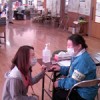
JAPAN: Civil Society Gaining Ground Following Quake
Civil society organisations in Japan have traditionally been on the sidelines in influencing mainstream policy, but the massive Tohoku earthquake and tsunami of Mar. 11 is becoming a catalyst for important change.JAPAN: Quake’s Aftermath Weighs Heavily on Women
Since the horrific Mar. 11 earthquake and tsunami that devastated her coastal town of Minato, in Ishinomaki city, Masami Endo’s three-year-old daughter has been crying and clinging to her every night.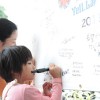
JAPAN: Difficult Shift From Aid Donor to Recipient
April has traditionally been the time for ‘hanami’, or cherry blossom festivals, when millions of Japanese hold parties under the pink flowering trees in parks and streets lit up gaily by lanterns.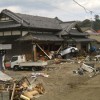
EXCLUSIVE: Report from Fukushima
 My decision to visit Fukushima - the area worst hit by the massive quake, tsunami and nuclear power accident on Mar. 11 - was taken one afternoon last week after a long meeting with scientists.
JAPAN: Disaster Highlights Economic Vulnerability
As authorities struggle to control dangerous radioactive material spilling from the quake ravaged Fukushima nuclear power reactors, a more difficult question has begun to unsettle Japan: is the country’s post-war prosperity as invincible as was believed till now?JAPAN: Working Poor Hardest Hit By Disaster
When the massive Tohoku quake struck on Mar. 11, Yayoko Shinohara, owner of a small grocery store on the main shopping street of the now devastated Namie town, grabbed the day’s earnings and escaped to safety with her husband.JAPAN: Vulnerability and Uncertainty Prevail In Wake of Nuclear Disaster
Accidents at four nuclear power reactors hit by the earthquake and tsunami in Fukushima have left thousands of residents in the vicinity facing an uncertain future as they prepare for evacuation orders to protect them from dangerous radiation contamination.
JAPAN: Food and Gasoline Shortages Plague Nuclear Exclusion Zone
For the past three days Hiroko Oogusa, 62 - following orders from the local authorities - has remained in her tightly shuttered home located 40 kilometres from the badly damaged Daiichi nuclear power plant in Fukushima.Japan Bracing For Nuclear Meltdown
Desperate efforts by the government to avoid the looming nightmare of a nuclear meltdown in tsunami damaged Fukushima Daiichi nuclear plants, 240 kilometres north of Tokyo, have brought no relief to the public who face the possibility of another explosion that could spew deadly radiation across the country.JAPAN: Anti-Nuclear Groups Sound New Warning
Heightened tension on Saturday after a blast at a nuclear facility in Fukushima, 150 kilometres north of Tokyo, eased off after the government reported that the danger had been overstated.JAPAN: Explosion at Nuclear Plant Raises New Fears After Destructive Tsunami
Fears of a nuclear meltdown at one of Japan's nuclear installations have gripped the country following a blast at a nuclear installation. Emergency teams were struggling to limit damage following the explosion.JAPAN: Whaling Policy in Choppy Waters
After years of stiff resistance, the Japanese government has announced a temporary halt to its controversial research whaling programme in the Antarctic Ocean, a decision that will finally stir the debate to promote sustainable fishing, say conservationists here.JAPAN: New Law May Protect Children from Abusive Parents
For years, Toshikazu Takahashi, director of the sixty-year-old St. Francis Children’s Home child care facility, has grappled with the difficult of issue of protecting battered children from their abusive parents.JAPAN: Call for Nuclear-Free Zone
Defusing the North Korean crisis can be achieved with a bolder military alliance, say Japan, South Korea and the United States. But peace proponents beg to differ, arguing that inclusion and engagement with the Stalinist state and its ally China is the only way to build trust and lay the foundation for stability at long last in East Asia.« Previous Page — Next Page »





The Week with IPS

NEXT STOP - SDGs
Tracking global progress towards a sustainable world
Tracking global progress towards a sustainable world
