Languages
Monday, October 26, 2026



News and Views from the Global South
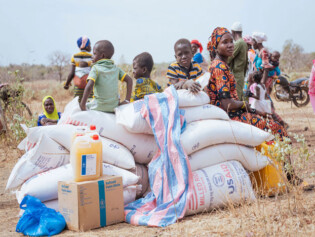
Funding Cuts by Traditional Donors and the Future of Localization: Power, Paradox, and the Politics of Aid
In recent years, major international donors such as the European Union (EU), the Foreign, Commonwealth & Development Office (FCDO), USAID, and other bilaterals (such as BMZ, Sida, the Netherlands among others) have significantly reduced development funding to global majority countries.
African Giving Practices: Understanding a Tradition of Generosity and Community Support
Across Africa, giving is not just an act of charity; it’s a deep-rooted tradition embedded in culture, community, and mutual care. The concept of giving has evolved through generations, often taking on forms that are as diverse as the continent itself.
Remittances Vs Philanthropy – a Development Practitioner’s Perspective
Across Africa, economic transformation and development are being fuelled by two significant streams of funding: remittances and philanthropy. Both play vital roles, but as the situations evolve in many African countries, one truth becomes increasingly clear – remittances are emerging as a more sustainable, dignifying force compared to traditional philanthropy.
Localization in Zimbabwe: A Critical Look at the Grand Bargain and Charter for Change
Localization has become a buzzword in international development, aiming to shift power and resources closer to the communities directly impacted by crises.
Partnership-building: A Sustainable Tool for African Non-profit Organisations
In the landscape of African nonprofit organisations and indeed the world over, sustainability remains a cornerstone for enduring impact. However, continued funding is a pivotal aspect of sustainability.
Reclaiming the Narrative in African Philanthropy: A Community-Based Organization’s Perspective
In recent years, the African philanthropy landscape has been undergoing a profound transformation. Or has it? Historically, the narrative of aid and development in Africa has been dominated by external donors and International Non-governmental Organisations (NGOs).
Unveiling the Power Play: Non-Profit Funding as a Strategic Tool for Agenda Setting
In the realm of public discourse, non-profit organizations often serve as the torchbearers of societal change, championing causes ranging from environmental conservation to social justice. Yet, beneath the altruistic facade lies a complex interplay of interests, where non-profit funding emerges as a potent tool for shaping the narrative and driving the agenda.
Fundraising in Africa: How Looking Inward Makes the Difference
Across Africa, non-governmental organisations (NGOs) bearing different monikers such as community-based organisations (CBOs), civil society organisations (CSOs) and nonprofits have long borne the duty of designing and implementing developmental interventions to address varying challenges.





The Week with IPS

NEXT STOP - SDGs
Tracking global progress towards a sustainable world
Tracking global progress towards a sustainable world
