Languages
Sunday, September 13, 2026



News and Views from the Global South

POLITICS: First Woman Speaker of Parliament Changing Politics
Very soon wives in Uganda will legally have the right to a share in their husband’s property, that’s if the country’s new speaker of parliament has her way.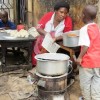
Uganda Stoves Saving Fuel and Forests
Carbon finance is putting new and efficient charcoal stoves into hundreds of thousands of kitchens in Uganda – reducing charcoal use and protecting forests as well as saving money for poor households.
UGANDA: Sun Smiling on Renewable Energy Initiative
Clementine Auma was still living in a displaced person's camp in Gulu district when she acquired the treasure she's gone into the house to fetch. She re-emerges from her home with a white box in her arms: a solar oven.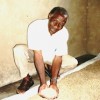
DEVELOPMENT-UGANDA: Better Coffee Brings Better Living Conditions
Producing quality Arabica coffee beans on the slopes of Mount Elgon in eastern Uganda is only viable once farmers are assured ready access to the global market. Fair trade has made this possible.
DEVELOPMENT-UGANDA: Fair Trade Gives Coffee Farming a Lift
The cultivation of coffee beans for fair trade has turned the fortunes of this historical cash crop around in some poor rural areas on the slopes of Mount Elgon in eastern Uganda.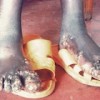
UGANDA: Sand Fleas: Neglected Threat to Primary Education
Jowaali Dhikusoka sits on the side of the road, alone and bored. The twelve-year-old doesn’t play much with the other children in his village because he has trouble walking. His hands and feet are infested with sand fleas, in Uganda commonly called jiggers, which itch and cause him a lot of pain.AGRICULTURE-UGANDA: Pee Solves a Problem
Faced with a severe decline in soil fertility and low crop production as a result, Ugandan farmers have turned to human urine to improve the richness of their soil.Uganda Failing to Control TB
John Mahanga sits on his hospital bed, coughing persistently. The 42-year-old has been suffering from tuberculosis (TB) for the past three years. He has been in treatment for it, but repeatedly stopped taking medication when he felt better. Doctors have now diagnosed him with multi-drug resistant (MDR) TB.
UGANDA: Unfriendly Nurses and Culture Hinder Male Involvement in HIV Prevention
Irene Wangolo was advised to undergo an HIV test during her antenatal visit and to return to the clinic with her husband so they could be counselled on preventing HIV transmission to their unborn baby. But her husband refused to accompany her saying it was not his business and Wangolo never returned to the clinic in Bungokho in eastern Uganda. So she missed all the services, including the prevention of mother-to-child transmission (PMTCT).
Familiar Pledges on Child and Maternal Health in Africa
During the three-day summit of African Union heads of state, roughly 37,000 children and 2,000 women died across Africa, mostly from preventable causes, says a civil society coalition for child and maternal health. The coalition welcomed African leaders' pledge to make more resources available.HEALTH: U.S. Intensifies Anti-Counterfeit Drive in East Africa
The U.S.’s recent promotion of intellectual property (IP) rights in Uganda is an indirect way of introducing the Anti-Counterfeits Trade Agreement (ACTA) debate in East Africa.HEALTH: “I Have Never Opposed Generics” – British Ex-Politician
Baroness Lynda Chalker, a former British government minister, has been at the forefront of the intellectual property rights crusade to pass laws against counterfeits in east Africa. These laws threaten the use of life-saving generics in countries that depend on such medicines for some 90 percent of their healthcare needs.
EAST AFRICA: Global Players Behind Anti-Counterfeit Law Campaign
The international push behind Kenya’s controversial Anti-Counterfeit Act of 2008 dates back as far as October 2006 when the World Customs Organisation held its first intellectual property rights (IPRs) seminar in Kampala, the capital of neighbouring Uganda, focusing on East African governments’ enforcement of these rights.Q&A: “Concern About Anti-Counterfeit Campaign Is Alarmist”
Civil society criticism that the anti-counterfeit policy drive in East Africa could result in the blocking of legitimate and affordable generic medicines is merely aimed at raising fear among the region’s inhabitants.
Q&A: Anti-Counterfeit Policy Will Provide “Proper” Generics
The anti-counterfeit draft policy and law that the East African Community (EAC) is currently considering will ensure access to "proper" generic medicines and not fakes, EAC secretary general Juma Mwapachu says in defence of a policy which is criticised as blocking affordable and legitimate generic medicines.UGANDA: New Version of Anti-Counterfeiting Bill Still Problematic
The Ugandan government’s controversial Anti-Counterfeiting Bill has been amended after civil society organisations campaigned against provisions in the bill that may restrict access to generic medicines, which form the bulk of medicines used in the East African country.HEALTH: Uganda Bill Shouldn’t Block Generics, Minister Agrees
Uganda’s trade minister is in agreement that his government’s controversial Counterfeit Goods Bill should not restrict the manufacture or import of life-saving generic medicines.AFRICA: Anti-Counterfeit Laws Threaten Universal Access to ARVs
East African countries risk not attaining the millennium development goal (MDG) on universal treatment of people living with HIV and AIDS, malaria and other diseases if the region’s parliament adopts the anti-counterfeits policy and bill currently under consideration.HEALTH-UGANDA: EU Supports Law Threatening Access to Medicines
The European Union (EU) is funding the drafting of Uganda’s controversial Counterfeit Goods Bill, a proposed law that has caused an outcry as it threatens access to life-saving generic medicines in this low income East African country. Some 90 percent of medicines used in Uganda’s health-care system are imported, of which about 93 percent are generics.
Q&A: "Intellectual Property Rights Do Not Assure Quality"
Kenya and Tanzania have recently passed anti-counterfeit laws and regulations that risk blocking legitimate generic medicines instead of fake products, which is the purported purpose of these laws. Uganda is now considering a similar bill.
RIGHTS-UGANDA: Anti-homosexuality Bill Means ‘Targeted Killings’
Uganda will be going back to the days of the Idi Amin regime if it passes a Bill which will arrest or kill people for being gay or lesbian and for repeatedly engaging in homosexual sex, say rights activists.« Previous Page — Next Page »


The Week with IPS

NEXT STOP - SDGs
Tracking global progress towards a sustainable world
Tracking global progress towards a sustainable world
