Languages
Wednesday, October 21, 2026



News and Views from the Global South
RIGHTS-PAKISTAN: Hopes Pinned on Reinstated Justices
As he resumes office as Chief Justice of Pakistan on Tuesday, Iftikhar Mohammad Chaudhry will doubtless mull over the years since Mar. 9, 2007 when he was first unceremoniously sacked by then president Gen. Pervez Musharraf.
ENVIRONMENT-PAKISTAN: Save the Indus Plead Delta Folk
"There was a time when we used to cast our nets into the river [Indus] and haul in no less than 400 to 500 ‘palla’ fish at one go," says 70-year-old Hamzo Jat.
RIGHTS-PAKISTAN: Child Marriages Mock Laws, UN Conventions
All of seven, Perween sat on a string cot in her bridal finery, awaiting the big moment. She looked a little confused and peered from under her big, red shawl to see what the fuss was all about.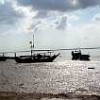
ENVIRONMENT-PAKISTAN: Death of a Delta
Sitting on a rickety bench outside the dispensary of Dr. Abdul Jalil at Deh Bublo, Issa Mallah, a centenarian, watches the world go by. He says he comes to this ‘city’ everyday to buy his groceries.
ENVIRONMENT-PAKISTAN: Warnings From Vanishing Vultures
"The thought of my carcass being pecked at by vultures isn’t at all pleasant," said Bapsi Sidhwa, a leading Pakistani diasporic writer now living in the United States. She was referring to the ancient Parsi funerary rite of 'sky burial'.RIGHTS-PAKISTAN: Peace Deal With Taliban Setback For Women
The ceasefire agreement reached by the provincial government in the North West Frontier Province (NWFP) and the Taliban on Feb.16, involving implementation of shariah (Islamic law), is being seen as a setback for women’s rights in the area bordering Afghanistan.PAKISTAN: Militants Make Aid Work Risky
The kidnapping of John Solecki of the United Nations High Commission on Refugees(UNHCR)in Quetta, Balochistan province seems to confirm the perception of international humanitarian organisations that aid work in Pakistan is becoming increasingly hazardous.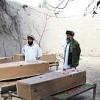
PAKISTAN: Bracing For More Drone Attacks
On Jan 23, days after Barack Obama was sworn in as President of the United States, a series of missiles slammed into Pakistan’s tribal areas along the Afghan border - in continuation of Washington’s policy of targeting al-Qaeda and Taliban elements regardless of sovereignty issues.
Q&A: 'NGOs Are Part of the Problem With WSF-Pakistan'
As the ninth edition of the World Social Forum (WSF) opened in Belem, capital of the north Brazilian state of Para, half way around the globe in Pakistan the movement seems to have run out of steam.
PAKISTAN: Slum Fire Reignites Housing Concerns
A fire which razed a slum settlement and killed 40 of its residents earlier this month has brought to the fore the deplorable conditions in which half of the 12 million people of this port city live - and official indifference to their plight.RIGHTS-PAKISTAN: Awaiting Gitmo’s Closure
"I’ve thought a lot about what my first meeting with my father will be like after all these years. I don’t know how I’d react. I don’t even know what to expect,'' said Muneeza Paracha, 26, daughter of Saifullah Paracha, incarcerated at Guantanamo Bay since September 2004.
PAKISTAN: Like Other Assassinations Bhutto's Remains a Mystery
"The chapter is closed, and the Pakistan People’s Party [PPP] is dead. It doesn’t matter who killed her," said Mohammad Sharif, a young driver working for a voluntary agency, referring to former prime minister Benazir Bhutto’s assassination on Dec. 27 last year.PAKISTAN: Suspected Terror Group Will Challenge UN Ban
Jamaat-ud-Dawah (JuD), the Pakistani organisation on which the United Nations Security Council (UNSC) imposed sanctions two weeks ago, on suspicion of being involved in terror activity, insists that it is a charity and that it will challenge the ban at the International Court of Justice.PAKISTAN/AFGHANISTAN: Taliban Raids on NATO Convoys Crippling – Analysts
While NATO and United States forces have downplayed raids in Peshawar by pro-Taliban militants, destroying hundreds of their military vehicles and supply containers destined for Afghanistan, analysts here believe that the damage is significant.RIGHTS-PAKISTAN: Enlarged Capital Crimes List Belies Promises – Activists
The decision to add "cyber terrorism" to Pakistan’s long list of capital crimes has raised questions on whether the new government has the resolve to carry through its promise to commute the death sentences of 7,000 prisoners.MEDIA-PAKISTAN: Reporting From Tribal Areas Highly Risky
Reporting from Peshawar - hub of Pakistan’s tribal areas, currently the focus of a pincer movement between the Pakistan army and the United States-led forces in neighbouring Afghanistan - has become a highly risky affair.RIGHTS-PAKISTAN: Helpless Against Honour Killings
By appointing as cabinet ministers two politicians known for their anti-women views, Pakistan President Asif Ali Zardari has stirred up a storm of protests from rights activists and prominent personalities who believed that an elected government would help their country emerge from feudalism.
HEALTH: Haj Pilgrims Get Polio Drops in Int'l Eradication Plan
As the first batches of Haj pilgrims from Pakistan arrived at Saudi Arabia’s Jeddah airport for the current pilgrimage season they were, regardless of age, administered oral polio vaccine (OPV).
WORLD FOOD-DAY-PAKISTAN: Hunger, Poverty Initiatives Suspect
As Pakistan’s food crisis deepens, with an estimated 60 million people facing food insecurity, the GCAP (Global Call to Action Against Poverty) plans to hold rallies through the weekend demanding ‘’public accountability’’ even for hunger and poverty alleviation initiatives.DEATH PENALTY-PAKISTAN: Reason For Hope on World Day
As rights groups mark the Sixth World Day Against the Death Penalty with an appeal for an end to executions in Asia, Pakistan pulled one man back from the gallows and hinted that it will soon honour pledges to commute the sentences of over 7,000 death row inmates.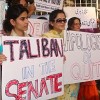
RIGHTS-PAKISTAN: Live Burial of Women – Activists Demand Action
Prominent civil rights activists are demanding that the government act against those responsible for the burial alive of five women in Balochistan, in July, that politicians from the province have defended as an age-old custom.« Previous Page — Next Page »





The Week with IPS

NEXT STOP - SDGs
Tracking global progress towards a sustainable world
Tracking global progress towards a sustainable world
