Languages
Saturday, November 28, 2026



News and Views from the Global South
Africa
WORLD AIDS DAY: African Women’s Rights Protocol a Weapon Against HIV
"When you look at the larger picture of HIV/AIDS, the leadership is mainly men. We need to train and have more women leaders," says Prudence Mabele, an AIDS campaigner in South Africa.
WORLD AIDS DAY: In Swaziland, HIV Hides in Plain Sight
Read the obituaries in Swaziland, and you will discover that many people here die from unspecified "lingering illnesses".
POLITICS-MOZAMBIQUE: Observers Concerned Ahead of Poll
Mozambicans go to the polls Wednesday and Thursday for general elections that will see President Joaquim Chissano step down after 18 years as head of state.DEVELOPMENT: Plant a Landmine, and Reap Years of Destruction
As the Nairobi Summit on a Mine-Free World got underway Monday in Kenya, the situation of people like Monica Piloya from Uganda was at the top of the agenda.POLITICS-NAMIBIA: Farewell, the 2005 Gender Target
In the aftermath of this month’s general elections, gender imbalances in government still pose a challenge in Namibia.
HEALTH-SOUTHERN AFRICA: HIV/AIDS May be Undermining Democracy
The figures speak volumes. Between 1999 and 2003 almost 1.5 million of about 20 million registered voters in South Africa were removed from the voters’ roll because they had died – most, it appears, from AIDS-related diseases.DEVELOPMENT: ACP Seeks Its Own Parliament
Parliamentarians from the African, Caribbean and Pacific (ACP) group of countries agreed this week on setting up a joint 'parliament' to improve internal cohesion and to gain influence with the European Union, World Trade Organisation and other bodies.HEALTH-KENYA: Women Prime Targets for HIV
Kenyan health officials have expressed concern about the fact that women in the East African country are more vulnerable to AIDS than men, and that the gap between men and women as regards new HIV infections appears to be widening.RIGHTS: U.N. Body Rejects Censure, Threatens Revolt
The 191-member U.N. General Assembly, the largely ignored policy-making body of the United Nations, is threatening to derail a slew of mostly Western European and U.S.-inspired resolutions condemning human rights violations.
RIGHTS-SOUTH AFRICA: Anti-Apartheid Warrior Identifies New Enemies
Former Anglican archbishop Desmond Tutu does not mince his words. Known as a straight talker, the Nobel Peace Prize laureate was a thorn in the flesh of successive apartheid regimes in South Africa until the demise of white rule in 1994.DEVELOPMENT-EU: Parliamentarians Presented Some Myths
A joint assembly of members of the European Parliament and representatives from some of the poorest countries has been invited to consider six "myths" about new trade agreements.
DEVELOPMENT-SOUTH AFRICA: Red Tape Delaying Housing for the Poor
South Africa is racing against time to deliver decent housing to millions of its citizens who are currently living in slums.HEALTH-NIGER: Enlisting Men in the Fight Against Fistula
When poverty and traditional practices collide in Niger, the results can be ruinous – particularly for teenage girls.POLITICS-AFRICA: Diplomatic Front Heats Up in Cote d’Ivoire
Beneath the apparent calm after the last round of clashes the diplomatic battle in Cote d'Ivoire is getting hotter.CONSERVATION-AFRICA: One Park, Three Countries
Hope for the survival of many of Africa's unique animals lies in multinational cooperation initiatives like the Great Limpopo Transfrontier Park, although the challenges remain enormous, say conservationists.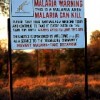
HEALTH-SOUTHERN AFRICA: With the Rains, Comes Malaria
In the blistering summer heat, slow-gathering clouds that promise rain are welcomed by farmers in Zimbabwe and other water-scarce countries in Southern Africa. Yet the rains – when they come – also worsen the incidence of malaria.
DEVELOPMENT-SOUTHERN AFRICA: Overcoming Water Scarcity
A routine visit to a village in the northern South African province of Limpopo brought Stephen McFarlane face-to-face with the reality of a child-headed family.POLITICS-SUDAN: Africa’s Longest Civil War Set to Conclude by End of Year
The Sudanese government and rebels from the south of the country pledged Friday to end their 21-year conflict by Dec. 31. This came during a two-day meeting of the United Nations Security Council in the Kenyan capital, Nairobi.MEDIA: Tunisian Journalist Fights for Openness
The Tunisian recipient of a Canadian award recognising her fight for media freedom in her homeland says she will organise a counter conference to a planned United Nations meeting on the "information society" in Tunis in 2005.POLITICS-NAMIBIA: Tough Challenges Await the New Government
As preliminary results for Namibia's general elections started trickling in Thursday, Hifikepunye Pohamba of the ruling South West Africa People's Organisation appeared to have taken an early lead in the presidential poll.POLITICS-SUDAN: Time is of the Essence for Darfur, Says Annan
United Nations Secretary General Kofi Annan has called for a speedy conclusion to peace negotiations between the Sudanese government and southern rebels from the Sudan People’s Liberation Movement/Army. He said this was central to resolving another conflict in the country – that in the western region of Darfur.« Previous Page — Next Page » *#*

The Week with IPS

NEXT STOP - SDGs
Tracking global progress towards a sustainable world
