Languages
Saturday, November 28, 2026



News and Views from the Global South
Africa
RIGHTS-GUINEA: Trauma of War Resurfaces, Often among Women Refugees
Under a makeshift tent in the Laine refugee camp in southern Guinea, Charlesetta Kollie, a Liberian refugee, buckles down to teach dressmaking to a new group of apprentices.POLITICS-KENYA: New Constitution Takes Up Cudgels For Women
As the clock ticks closer to the deadline for introducing a new constitution in Kenya, Atsango Chesoni – for one – is filled with anticipation at the coming change.DEVELOPMENT: If the IMF Could Do This to Zambia…
The Zambian economy has collapsed heavily as a result of World Bank and IMF intervention, a major new study reveals.HEALTH-UGANDA: Condoms Take a Back Seat to Abstinence With U.S. AIDS Money
Uganda will receive over 90 million dollars this year from the United States to assist it with preventing and treating AIDS. Activists fear, however, that Washington may be showing too great a preference for abstinence-based programmes in its allocation of these funds – and that alternative prevention efforts such as condom distribution could suffer as a result.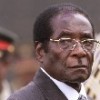
CULTURE-ZIMBABWE: "Dogs and Pigs" No More?
"Worse than dogs and pigs" is how Zimbabwean President Robert Mugabe described homosexuals almost a decade ago, when the gay community attempted to highlight widespread homophobia in the Southern African country.POLITICS-SUDAN: Church Leaders Join Chorus of Concern Over Darfur
A delegation from the All Africa Conference of Churches has thrown its weight behind efforts to address the humanitarian crisis in Sudan's western Darfur province, created by what some describe as a campaign of ethnic cleansing.MIDEAST: Arab Leaders Have Another Go at Agreeing
The sharp escalation in violence in the Palestinian territories and in Iraq places heavy pressure on Arab leaders to take a united stand at this weekend's summit.
ENVIRONMENT-SENEGAL: The Law of Unintended Consequences
What started as an urgent attempt to prevent a coastal town from being completely flooded has turned into an environmental headache for authorities in Senegal.POLITICS-MALAWI: Elections, at a Time When Malawians Are “Freer But Poorer”
Malawi is scheduled to go to the polls Thursday for general elections - this amidst polling delays, allegations of bias on the part of electoral officials, and deepening poverty.DEVELOPMENT-SOUTH AFRICA: New Black Farmers Carve a Niche for Themselves
A bevy of girls emerges from a group of farmhouses, three of them giggling after they spot rare visitors to this part of the world: two Chinese nationals. The men are part of a group of journalists that has been invited to tour various farms, to inspect South Africa's land reform programme.HEALTH: Last Round in Polio Fight
International health campaigns have pushed poliomyelitis to the threshold of eradication in four of the six countries where the disease is still endemic - India, Pakistan, Afghanistan and Egypt - but in the other two - Nigeria and Niger - this year has seen some serious setbacks.DEVELOPMENT-CAMEROON: Little to Quench the Nation’s Thirst
For people in both rural and urban areas of Cameroon, getting clean drinking water can prove a daily ordeal. Efforts are underway to address this problem – but they’re being regarded with a healthy degree of scepticism by many.RIGHTS: Group Wants Intervention Timetable for Sudan’s Darfur
The Brussels-based International Crisis Group (ICG) and the U.S. Committee for Refugees (USCR) are the latest to urge the international community to act quickly to stop what Human Rights Watch (HRW) earlier this month called "ethnic cleansing" against the African communities of Sudan's Darfur region.SUSTAINABILITY: Do ‘Water Wars’ Still Loom in Africa?
When water affairs ministers from countries along the Nile met recently to discuss the fate of the river, Boutros Boutros-Ghali was not in the room with them. But the lingering memory of his comment that future wars would be fought over water probably was.SUSTAINABILITY: More Rehabilitated Wetlands in South Africa, More Water Supply
As South Africa's new government braces itself for the task of extending clean water supplies to more people, environmentalists are warning there may soon be little water to distribute if conservation efforts are not stepped up.POLITICS: U.S.-Funded Peacekeeping Force Gets Mixed Reviews
A U.S. proposal to create a 75,000-strong standby peacekeeping force composed primarily of foreign troops is receiving mixed reviews from non-governmental organisations (NGOs) and peace activists.POLITICS-SOMALIA: Bickering Leaders a "Pain in the Neck" at Peace Talks
A third and final round of peace talks for East Africa’s most beleaguered country – Somalia – is scheduled to begin on May 20 amidst funding shortfalls and frustration at the antics of faction leaders.RIGHTS-TOGO: Minister Believes Quantity Equals Quality
Dozens of newspapers, scores of radio stations and five television channels...At first glance, Togo seems like a media junkie’s dream destination. But does being spoilt for choice translate into press freedom?HEALTH: HIV/AIDS ‘Biggest Threat’ to Developing World
HIV/AIDS is the greatest threat to development in African, Caribbean and Pacific countries, European interest groups are warning.RIGHTS-KENYA: Are the Watchdogs Being Muzzled?
"The stability of any government is measured by the freedom it gives to the press. If the government is clean in its dealings, then I see no reason why it should be worried about the press," says Kenyan media activist Mitch Odero. Recent statements by authorities indicate that they have a less sanguine view of the country's journalists, however.POLITICS-ZIMBABWE: "We are everywhere" Says Shadowy Pro-Democracy Group
"When they were interrogating me, they kept asking about ‘Zvakwana!’," says activist Gorden Moyo, describing his recent detention by security officials in Zimbabwe. "I told them I don’t know what it’s about."« Previous Page — Next Page » *#*

The Week with IPS

NEXT STOP - SDGs
Tracking global progress towards a sustainable world
