Languages
Wednesday, September 16, 2026



News and Views from the Global South
Crime & Justice
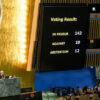
For 78 Years, the Palestinians have Been Denied their Inalienable Rights & their Right to Self-Determination
For seventy-eight years, the question of Palestine has been on the agenda of this General Assembly, almost as long as the institution itself.
Rising Arms Revenues and Death Tolls Underscore Ongoing Military Conflicts, Civil Wars
The revenues from arms sales and military services by the 100 largest arms-producing companies rose by 5.9 percent in 2024, reaching a record USD 679 billion, according to new data released by the Stockholm International Peace Research Institute (SIPRI).
Yemen’s Worsening Food Security Crisis: Economic Collapse, Continued Insecurity, and Humanitarian Challenges
For the past decade, Yemen has been at the center of a severe and multifaceted humanitarian crisis, marked by widespread violence between various Middle Eastern actors, widespread civilian displacement, economic decline, and the collapse of essential services that serve as lifelines for displaced communities.
Authorities Urged to Take Lawful Measures to Stop Mass Abductions in Nigeria
On the morning of 17 November 2025, darkness cloaked Maga town in the Danko/Wasagu Local Government Area, Kebbi State, until gunfire shattered the silence. It was around 4 am when armed attackers stormed the Government Girls Comprehensive Secondary School, firing into the air to terrify residents before heading to the staff quarters. There, they killed two, including Hassan Yakubu, the school’s Chief Security Officer and then abducted 26 female students.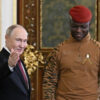
Burkina Faso: Three Years of Broken Promises
Three years ago, Captain Ibrahim Traoré seized power in Burkina Faso with two promises that have proved hollow: to address the country’s deepening security crisis and restore civilian rule. Now he has postponed elections until 2029, dissolved the independent electoral commission and pulled the country out of the Economic Community of West African States (ECOWAS) and the International Criminal Court (ICC). Burkina Faso has become a military dictatorship.
ICC Judges & Officials, Under US Sanctions, Live Under Rigid Isolation
The US sanctions on the International Criminal Court (ICC) have intensified the rigid isolation of judges and officials of the Court based in The Hague, Netherlands. According to an interview with the French judge Nicolas Guillou, published in Le Monde, ICC judges are also being refused access to American websites and credit cards.
Explosive Weapons Now Leading Cause of Child Casualties in Global Conflicts
Recently, global conflicts have grown increasingly brutal, with deaths and injuries caused by explosive weapons now surpassing those from previous leading causes such as malnutrition, disease, and a lack of healthcare services. As these conflicts intensify, children continue to bear the brunt of the casualties while impunity for perpetrators persists and funding gaps exacerbate the lack of critical protection services.
The Rising Threat of Digital Abuse: Women’s Vulnerability in the Age of AI and Online Harassment
As the digital landscape continues to expand and integrate into various aspects of daily life, humanitarian experts have raised concerns about the associated risks, particularly as artificial intelligence (AI), online anonymity, and the absence of effective monitoring frameworks heighten the potential for abuse and harassment. Women and girls are disproportionately affected by digital abuse, facing heightened risks, with nearly half of them worldwide lacking effective legal protections.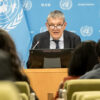
UNRWA Continues Operations in Gaza Amid Ongoing Insecurity and Shortages of Essential Services
After nearly two years of conflict between Hamas and Israel, displaced Palestinians in Gaza have begun returning home as humanitarian organizations work to restore essential, life-saving services. Despite recent progress, the United Nations (UN) and its partners continue to face major obstacles in reaching the most vulnerable populations due to ongoing insecurity and heightened restrictions. With winter fast approaching—and expected to further worsen living conditions—sustained aid operations remain critical.
Five Breakthroughs for Women’s Rights Amidst Conflict and Crisis
Even as their rights face growing threats, women across the globe are driving progress. From courtrooms to communities, women’s leadership is shaping peace, justice and development—often against the odds. In the face of conflict, exclusion and inequality, we continue to see powerful stories of hope, resilience and change. We are inspired by women who mediate local disputes, push for new laws and champion the rights of survivors, holding communities together.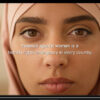
International Day for the Elimination of Violence Against Women, 2025

Violence against women is a human rights emergency in every country. One in three women worldwide experience physical and/or sexual violence in their lifetime.

Syria’s Fragile Transition Threatened by Severe Aid Shortfalls and Increasing Abductions, UN Warns
Eleven months after the fall of the Assad regime, Syria continues to grapple with severe instability as the country navigates a turbulent political transition. Rates of displacement have surged, and humanitarian organizations are struggling to support large numbers of refugees returning home. In recent weeks, the United Nations (UN) has documented numerous cases of enforced disappearances and abductions, calling for stronger accountability measures as the transition continues to unfold.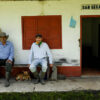
The Silent War Before COP30: How Corporations Are Weaponising the Law to Muzzle Climate Defenders
As the world prepares for the next COP30 summit, a quieter battle is raging in courtrooms. Strategic Lawsuits Against Public Participation (SLAPPs) are the fossil-fuel industry’s new favourite weapon, turning justice systems into instruments of intimidation.
Tanzania’s Post-Election Turmoil Deepens Economic and Social Woes
At dawn in Manzese, a dusty township on the outskirts of Dar es Salaam, silence hangs where the sounds of commerce once roared. The township, usually crowded with street cooks, vegetable vendors, mechanics, and motorcycle taxis snaking through the morning rush, stood eerily empty. Shutters are pulled down, wooden stalls abandoned, and the air is heavy with the smell of burnt rubber. For five days, the township’s bustling economic life has been paralyzed—leaving residents unable to buy food or access basic services.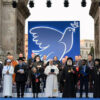
At Rome’s Colosseum, Faith Leaders Confront a World at War — and Dare to Speak of Peace
In the shadow of Rome’s Colosseum — once a monument to imperial violence — religious leaders from across the world gathered this week to deliver a message that felt both ancient and urgent: peace must once again become humanity’s sacred duty.
Children’s Education Must Be Put At The Forefront of Climate Discussions At COP30
In 2024, the climate crisis has disrupted schooling for millions of students worldwide, weakening workforces and hindering social development on a massive scale. With extreme weather patterns preventing students from accessing a safe, and effective learning environment, the United Nations (UN) and the Geneva Global Hub for Education in Emergencies (EiE Hub) continue to urge the international community to assist the most climate-sensitive areas in building resilient education systems that empower both students and educators.
UN Agencies Calls for Urgent Action as Sudan’s Humanitarian Crisis Reaches Breaking Point
In recent weeks, Sudan’s humanitarian crisis has deteriorated considerably, as escalating hostilities, mass displacement, disease outbreaks, and a widespread lack of access to basic, essential services continue to endanger civilians across the country. The situation has been further compounded by a sharp increase in attacks on healthcare facilities throughout October, which has severely weakened the country’s already fragile health system and deprived thousands of people of lifesaving care.
‘Turkmen Authorities Are Carrying out a Systematic Campaign to Eliminate Independent Voices’
CIVICUS speaks about the disappearance of Turkmen activists Abdulla Orusov and Alisher Sahatov with human rights defender Diana Dadasheva from the civil movement DAYANÇ/Turkmenistan and with Gülala Hasanova, wife of Alisher Sahatov.
Foreign Agent Laws: The Latest Authoritarian Weapon Against Civil Society
When thousands of Georgians filled the streets of Tbilisi in 2023 to protest against their government’s proposed ‘foreign agents’ law, they understood what their leaders were trying to do: this wasn’t about transparency or accountability; it was about silencing dissent. Though the government was forced to withdraw the legislation, it returned with renewed determination in 2024, passing a renamed version despite even bigger protests. The law has effectively frozen Georgia’s hopes of joining the European Union.
Women’s Leadership at the Heart of Disaster Risk Reduction
Climate and environmental challenges are hitting harder and more often, reshaping people’s lives around the world. While disasters touch everyone, their impacts are not felt equally. The most marginalized, especially women and girls, are too often the first to suffer and the last to recover.
The Inescapable Reality the Israelis Must Face
The ceasefire agreement and the release of Israeli hostages and Palestinian prisoners are only the first steps on the long and treacherous road that could end the calamitous, decades-long Israeli-Palestinian conflict. In my recent article, “A Rare Alignment:The World Stands Ready, Are the Palestinians?”« Previous Page — Next Page »


Issues of crime and justice are as pertinent to development as they have ever been. The struggle for abolition of the death penalty is not over, and penal reform is desperately needed in many countries around the world. From violence to religious persecution, white-collar crime to police brutality, we keep you updated with reports from around the world. IPS correspondents focus on the causes of crime, attempts to prevent it, and the process of bringing those who commit crimes to justice. We also cover the campaign against capital punishment, and for legal and prison reforms that would give prisoners the right to life, and also to justice and decency.

The Week with IPS

NEXT STOP - SDGs
Tracking global progress towards a sustainable world
Tracking global progress towards a sustainable world
