Languages
Tuesday, October 27, 2026



News and Views from the Global South
Tierramerica - Ecobrief
Ecobreves – GUATEMALA: Lake in Final Throes
Guatemalan lake could disappearEcobreves – ARGENTINA: Protecting Beaches During the Summer Season
Protecting Argentina's beaches during busy summer seasonEcobreves – BRASIL: Garbage, a Private Business
Garbage is a private business in BrazilEcobreves – BRAZIL: The Sun as Water Heater
La Secretaría Municipal del Verde y Medio Ambiente aprobó la propuesta del alcalde José Serra de hacer obligatoria la instalación de calentadores solares de agua en nuevas edificaciones de São Paulo, dijo a Tierramérica el experto en energía Délcio Rodrigues.Ecobreves – GUATEMALA: Park Rangers Disappeared
Están por cumplirse dos meses de la misteriosa desaparición de dos guardarrecursos de la Estación de Campo del volcán Atitlán, una reserva al sur de la ciudad de Guatemala.Ecobreves – VENEZUELA: Group Released 35,000 Baby Turtles
Unos 35 mil tortuguillos fueron liberados, luego de ser protegidos en sus nidos, por el ambientalista Centro de Investigación y Conservación de Tortugas Marinas, entre 2001 y 2005, en la nororiental península venezolana de Paria.Ecobreves – CHILE: Controversy Over Park Admission Fee
Empresarios turísticos de la meridional región chilena de la Araucanía demandan libre acceso al Parque Nacional Villarrica, de 61.000 hectáreas, argumentando que la gubernamental Corporación Nacional Forestal (Conaf) carece de derechos legales para cobrar 6,5 dólares por persona como peaje de ingreso.Ecobreves – CUBA: FAO to Help Improve Soils in Guantánamo
Un proyecto en colaboración con la Organización de las Naciones Unidas para la Agricultura y la Alimentación (FAO) que comenzará a ejecutarse este mes buscará mejorar y conservar suelos y aguas de la cuenca hidrográfica Guantánamo-Guaso en esa región, la más oriental de Cuba.
Ecobreves – GLOBAL: More Resources for Ozone Layer
A new injection of resources for recovery of the ozone layer, which protects Earth from the Sun's harmful ultraviolet rays, was approved in Senegal's capital during a meeting of the signatory countries of the Montreal Protocol.Ecobreves – BRAZIL: Super Pipeline Worries Environmentalists
The "super-pipeline" planned for distributing gas "from the Caribbean to Patagonia" could have disastrous effects, says Roberto Smeraldi, coordinator of Friends of the Earth - Brazilian Amazon.Ecobreves – ARGENTINA: Less Regulation of Big Investors
Neighborhood organizations in the southern Argentine province of Chubut are warning against new legislation that would reduce environmental controls of major investment projects.Ecobreves – GUATEMALA: Indians in Dispute over Deforestation
Residents of the indigenous villages of Canchún and Mangales are resisting the deforestation of an extensive pine forest by the people of Chitucán, located in the northern Guatemalan department of Baja Verapaz.
Ecobreves – HONDURAS: Promoting Wind Energy
The first wind-generated power plant in Honduras will begin operating in late 2006 on Hula hill, south of the capital, and will supply Tegucigalpa and the surrounding areas with electricity.Ecobreves – BRAZIL: : Watch Out with Aluminum Cookware
Cooking with aluminum or stainless steel pots and pans can be harmful to one's health, reveals a study by Elaine Bocalon, a researcher at the Sao Carlos school of engineering at the University of Sao Paulo.Ecobreves – CUBA: Improved Radars for Climate
Cuba aims to finalize automation of its eight climate radars during the first half of 2006, with notable improvement for the early warning and alert system for extreme weather.Ecobreves – GUATEMALA: : Deforestation Advances
An environmental study by the private Rafael Landívar University indicates that Guatemala has lost 50 percent of the forests it had in 1950.Ecobreves – VENEZUELA: The Dangers of Eating Tilapia
Consumption of tilapia fish from the Valencia Lake area, some 100 km west of Caracas, can be dangerous, due to the high concentration of mercury in its meat, which is nearly four times the limit of 1.6 milligrams per kilo allowed under the standards of the World Health Organization.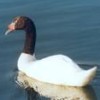
Ecobreves – CHILE: Award for Swan Defenders
The organization Acción por los Cisnes (Action for the Swans) won the prize for best defender of animals, awarded annually by the Chilean Federation of Animal Protection Institutions.Ecobreves – BRAZIL: Cyber-Tongue Controls Beverage Quality
The Brazilian agricultural research agency Embrapa has invented an "electronic tongue" to taste and control the quality of coffee and other beverages.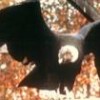
Ecobreves – COLOMBIA: Condor Population on the Rise
The number of Andean condors (Vultur griphus) in Colombia has grown by 10 percent this year, under a repopulation program of the environment ministry.Ecobreves – GUATEMALA: Filtering a Threatened Lake
The Guatemalan government has installed a plant to treat and filter water as it arrives at the southeastern Lake Amatitlán, which is in danger of turning into a swamp by 2015.« Previous Page — Next Page »





Tierramérica is the main communications platform on sustainable development and the environment in Latin America and the Caribbean. It is produced by IPS Noticias, the agency’s Spanish-language service, which created it jointly with the United Nations Development Programme (UNDP) and the United Nations Environment Programme (UNEP), with later support from the World Bank. The weekly editions of Tierramérica are published in Spanish, Portuguese and English and are picked up and printed by dozens of media outlets in the region. Follow us on Facebook and Twitter.

The Week with IPS

NEXT STOP - SDGs
Tracking global progress towards a sustainable world
Tracking global progress towards a sustainable world
