Languages
Tuesday, October 13, 2026



News and Views from the Global South
United National Development Programme (UNDP)
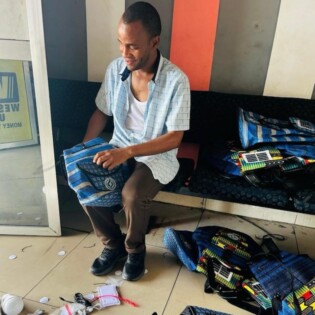
Where Some See Waste, Others See Opportunity: Young Sierra Leoneans Fight Against Electronic Waste, Plastic Pollution
Growing up, Peter George, a young innovator in Bo District in Southern Region, Sierra Leone, watched people dump electronic waste near the farmland where his grandmother cultivated crops.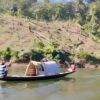
New GEF Project Raises Hope for Change in India’s Indigenous Lake Community
At dawn, when the waters of Dumboor Lake lie still under a pale grey sky, Santo Chakma, 63, nudges his narrow wooden boat into a reservoir that swallowed his childhood.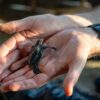
Guardians of the Sea: How GEF Small Grants Program Enables Young Volunteers Take the Lead in Sea Turtle Conservation
Every winter thousands of sea turtles come ashore at Cox’s Bazar, in the Bay of Bengal, Bangladesh, to lay eggs.
Community Volunteers Working to Safeguard Bangladesh’s Last Wild Elephants
When wild elephant herds come down from the hills in search of food, Sona Miahm, with community volunteers, steps forward to help prevent human-elephant conflicts.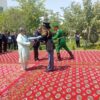
Why the Awaza Declaration Could Rewrite the Future for the World’s Landlocked Nations
The theater of diplomacy can be more revealing than the speeches. Under a scorching Caspian sun in Awaza, two marines lowered their flags with the precision of a ballet. The green silk of Turkmenistan, folded into a neat bundle before the UN’s blue-and-gold standard, fluttered briefly and vanished into waiting hands.
Africa’s ‘Land-Linked’ Nations Chart a New Trade Route to Prosperity
Once relegated to the periphery of Africa’s economic map due to their lack of coastline, the continent’s landlocked developing countries (LLDCs) are now reframing their geographic constraints as gateways to opportunity.
UNDP Assistance Helps Farmers to Meet New EU Deforestation Rules
In 2015, just over 30 cocoa farmers from Padre Abad in Ucayali, a province in the lush and ecologically diverse Peruvian Amazon, formed an alliance to tackle long-standing concerns such as soil quality, access to markets, fair prices for their produce and a growing number of illegal plantations. The result was the Colpa de Loros Cooperative, and from the start, the goal was to produce the finest quality, export-ready cocoa.





The Week with IPS

NEXT STOP - SDGs
Tracking global progress towards a sustainable world
Tracking global progress towards a sustainable world
