Languages
Thursday, November 19, 2026



News and Views from the Global South
United Nations Biodiversity Conference (COP17)
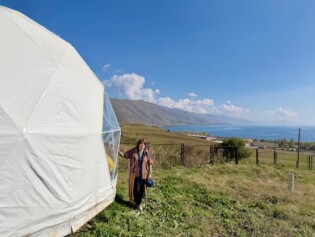
New Biodiversity Funding Brings Hope for Armenia’s Lake Sevan
The midday sun shines brightly over Lake Sevan. In the still waters, a flock of cormorants drifts silently, their black feathers glistening in the autumn light.
New Biodiversity Pledges Emerge at COP17, But Funding Gap Persists
The second week of COP17 was dominated by discussions on biodiversity finance, with new pledges announced and donor outreach intensifying. Yet as the summit approached its close, the financing gap for implementing the Kunming-Montreal Global Biodiversity Framework (KMGBF) remains largely unchanged.
COP17 Celebrates Indigenous Leaders Amid Demand for Greater Inclusion in Biodiversity Decisions
At the Convention on Biological Diversity (CBD) COP17, the presence of Indigenous Peoples and Local Communities (IPLCs) is impossible to miss. Indigenous representatives speak at side events, participate in contact groups, advise negotiators and engage across multiple forums shaping the future of global biodiversity policy.
How Conflict Brings Biodiversity to the Brink
Less than 100 metres from military positions facing each other across the Armenia-Azerbaijan border, the forest suddenly disappears.
What a Seawater Sample Can Tell Scientists About Ocean Health
A fishing boat’s catch tells only part of the story of the waters around World Heritage sites. Species that escape the net, shelter inside reefs or pass through deeper channels can go unrecorded, leaving communities and conservation officials with an incomplete picture of the marine life supporting coastal livelihoods.
Nairobi Biodiversity Talks Set the Stage for Key COP17 Decisions
Despite record participation in global biodiversity reporting and planning processes, countries remain off track to meet the world's 2030 biodiversity goals, according to discussions that concluded this month at two key meetings under the Convention on Biological Diversity (CBD).
As Biodiversity Loss Grows, Rome Talks Urge Nations to Step Up Action
Governments meeting in Rome last week acknowledged that global efforts to protect nature are still not moving fast enough, even as biodiversity loss continues to affect ecosystems, livelihoods, and economies worldwide.


The Week with IPS

NEXT STOP - SDGs
Tracking global progress towards a sustainable world
Tracking global progress towards a sustainable world
