Languages
Friday, November 20, 2026



News and Views from the Global South
United Nations Convention to Combat Desertification (UNCCD COP17)
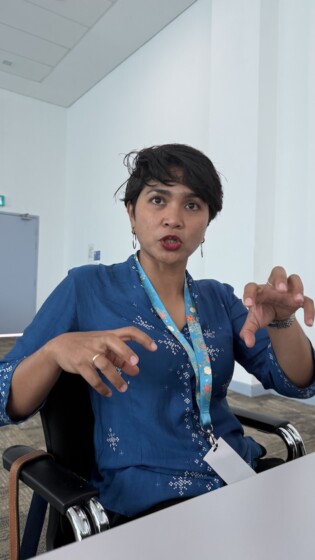
Farwiza Farhan’s Fight To Save Tropical Hotspot of Indonesia – the Leuser
Forty-year-old Farwiza Farhan’s eyes light up instantly when she talks about the Leuser Ecosystem – a national strategic area encompassing a national park, a wildlife reserve, protected forests and other land uses.
GEF Proposes $140 Million Program to Strengthen Drought Resilience
For pastoralists in Arvaikheer — a village in Mongolia’s dry central plains — rain can determine whether there is enough grass for cattle to roam, whether waterholes are replenished and whether families make it through another dry season. But as climate change makes rainfall increasingly unpredictable, even a wet season may no longer provide water and pasture needed to sustain people and livestock.


The Week with IPS

NEXT STOP - SDGs
Tracking global progress towards a sustainable world
Tracking global progress towards a sustainable world
