Languages
Tuesday, September 22, 2026



News and Views from the Global South

Education Cannot Wait Investments Change Lives for Children, Including At-Risk Girls, Children with Disabilities and Teachers in South Sudan
Ayom Wol sits under a tree in South Sudan in the scorching midday sun. He is a newly-trained teacher, preparing for tomorrow’s lessons. His school principal says he has to prepare while at school because there is no electricity at home.
War-ravaged South Sudan Struggles to Contain AIDS
Dressed in a flowered African print kitenge and a blue head scarf, Sabur Samson, 27, sits pensively at the HIV centre at Maridi Civil Hospital in South Sudan’s Western Equatoria state.
South Sudan’s Wildlife Become Casualties Of War and Are Killed to Feed Soldiers and Rebels
While South Sudan’s President Salva Kiir and his former deputy Riek Machar agreed last week to end the country’s devastating six-month conflict by forming a transitional government within the next two months, it may come too late for this country’s wildlife as conservation officials accuse fighters on both sides of engaging in killing wild animals to feed their forces.
South Sudan, Where Livestock Outnumbers People and the Environment Suffers
Twenty-year-old Wani Lo Keji stares at the sky as his herd of cattle drink water from the eastern bank of the Nile River, just opposite South Sudan’s capital, Juba.
Economic Reforms Needed for Peace in South Sudan
Gatmai Deng lost three family members in the violence that erupted in South Sudan on Dec. 15 and lasted until the end of January. And he blames their deaths on the government’s failure to use the country’s vast oil revenues to create a better life for its almost 11 million people.
Healing South Sudan’s Wounds
Susana Apai Wani has lived as a widow for more than two decades since her husband, James Wani, was arrested in 1992 by a policeman who accused him of collaborating with the Sudan People’s Liberation Movement, which was a rebel political movement at the time.
Marrying Off South Sudan’s Girls for Cows
“Our daughters are our only source of wealth. Where else do you expect me to get cows from?” asks 60-year-old Jacob Deng from South Sudan’s Jonglei state.
No Basic Services for Oil Country
South Sudan may have received slightly more than 10 billion dollars in oil revenue from 2005 to January 2012, when oil production shut down, according to both government officials and the World Bank. But development experts have urged the government to begin investing in the country and its people, as basic social services remain scarce.
South Sudan Oiling Up for Self-Reliance
As South Sudan continues negotiations with Sudan regarding the resumption of oil production and transit, the South Sudanese government says that it is developing its own industry and will start producing fuel for domestic consumption within the next eight months in order to avoid continued reliance on its neighbour.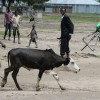
Abyei Region Still a Stumbling Block between South Sudan, Sudan
Pressure from ethnic groups along the border, security concerns, and keen interest in resources like oil and land are making it difficult for Sudan and South Sudan – the world’s newest country - to resolve their dispute over the fertile, oil-rich region of Abyei and demarcate their common border. Speaking in Turkey on Monday, Sudan’s first vice president, Ali Osman Taha, called for a referendum to resolve the issue.
Forcing South Sudan’s Idle Youth into Farming
Police in South Sudan have begun press-ganging every "idle" youth they can find to provide labour on police farms. The State Police Commissioner in Northern Bahr al Gazal state says young men cannot be left to drink tea and play cards all day while food insecurity threatens the country.

South Sudan’s Women Await Independence From Poverty
One year after the formation of South Sudan, the country’s women say that independence has not resulted in the positive political, economic and social changes that they had hoped for.
After War, Economic Crisis Hits South Sudan
The United Nations has warned that despite the austerity measures put in place by South Sudan to deal with its economic woes, humanitarian agencies will have to increase relief efforts in order to keep the country’s poor alive as the financial situation worsens.

Forests Dying in South Sudan Violence
South Sudan is losing its forests. And with no unified policy to deal with the situation the government is at odds, with one ministry saying that the loss of forests is a necessity for farming and another warning of the dire environmental consequences if this continues unchecked.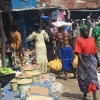
Hit by Fighting, Now by Prices
As thousands of people flee the conflict in South Sudan’s northern border states, increasing numbers have also been forced to leave their homes and towns in search of affordable food.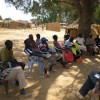
Lessons in Democracy on South Sudan’s Airwaves
It is late afternoon and a group of men and women begin to converge under the shade of a huge mango tree in Yambio town, the capital of South Sudan’s western Equatoria state. The group is not gathering for an ethnic, political or religious meeting. They are here to listen to the radio.
SOUTH SUDAN: Oil Conflict Threatens to Break Out
The communities living on the South Sudan-Sudan border may face genocide if the conflict between the two countries disputing control of oil reserves is not resolved.SOUTH SUDAN: Fuel Shortages Grip Country
South Sudan is facing severe fuel shortages less than three weeks before it gains independence from the rest of the country. Many gas stations have shut down and those that remain open have people lining up overnight for fuel.


The Week with IPS

NEXT STOP - SDGs
Tracking global progress towards a sustainable world
Tracking global progress towards a sustainable world
