
Wednesday, November 11, 2026



News and Views from the Global South

Air in Motion
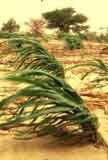
- The wind blows continuously in every corner of the globe, showing its different faces: from barely perceptible breezes to mighty hurricanes. In every case, however, we are talking about the same phenomenon, which has one single definition: “air in motion.”
-
The sites that describe wind go a bit deeper. The sun has to do with the origin of the wind, which is produced by the uneven heating of the earth's surface, which in turn generates areas of high and low pressure. The differences trigger movement in the air mass.
There are a number of kinds of wind classified by scientists, and tools like the Beaufort scale have been designed to gauge intensity, starting with a light breeze and running all the way up to devastating hurricane-force winds.
The speed of wind is measured with the help of an anemometer. This can be a sophisticated apparatus, or simple homemade instruments. The information gathered is an important input for the producers of wind power, a clean, abundant source of energy.
Wind has an enormous influence on life. In nature, one of its key functions is as a vehicle for pollination. In the case of human beings, it propels boats and windmills, and even feeds our imagination.
 Print
|




