
Wednesday, November 11, 2026



News and Views from the Global South

El Niño
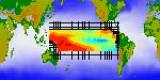
- The El Niño phenomenon is a large-scale climate event that is manifest around the world. And for millions of people it is a cause for concern because it causes excessive rainfall or severe drought, taking a toll on their standard of living.
-
El Niño is cyclical, occurring every four to seven years, and its intensity varies. Some of the most severe episodes of the phenomenon have caused temporary climate shifts resulting in starvation – from drought – or at the other end of the weather spectrum, heavy rains with massive flooding.
In Peru, where the warm ocean current arrives from off Australia, is where the name El Niño is thought to have originated, as fisherfolk usually detected the changes in sea temperatures around Christmas, and dubbed it Baby Jesus. Peru is one of the countries that feels the greatest impact from the phenomenon and has institutions that continuously monitor the Pacific's temperatures.
But other countries also keep watch. The U.S. National Oceanic and Atmospheric Administration (NOAA) constantly tracks ocean temperatures, using satellites.
Planning is important, given that El Niño is a natural occurrence and cannot be prevented. There are mentions of climate shifts in the distant past that are believed to have been linked to El Niño. And there are historic accounts about the phenomenon dated as long ago as the late 16th century
 Print
|




