
Wednesday, November 11, 2026



News and Views from the Global South

The Rhinoceros
- The disquieting silhouette of the rhinoceros has been seen on this planet since time immemorial, evolving over tens of millions of years, but is now in danger of disappearing forever because of human activities.
-
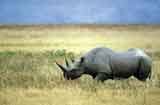
A statistical figure serves as an example: in 1960 the savannahs of Africa were home to more than 100,000 black rhinoceros. Today there are just 2,600 left. Poachers and hunters have decimated the population.
Millions of years ago, the rhinoceros cut a colossal figure, and was particularly notable for its horns. The five species existing today include the black and the white, both of Africa, and the India, Java and Sumatra rhinos in Asia.
All of these species belong to the Rhinocerotidae family. According to figures found on the Internet, the total rhino population in the wild is 12,000 to 16,000, while there are more than 1,000 in captivity in zoos and other sites worldwide.
The dangers confronting the survival of the rhinoceros have led to numerous initiatives at the international level to save these unique animals.
The World Conservation Union (IUCN) has groups of experts monitoring these species, and the Convention on International Trade in Endangered Species (CITES) has convened all countries to take action to prevent the continued reduction of the rhino population.
This concern is evident in the numerous sources of information on the rhino that can be found on the Internet, including the website of the International Rhino Foundation, which that is quick to point out the danger confronting this species: they are hunted to feed the demand of a market in Asia, where the rhino horns are used for medicinal and ornamental purposes.
 Print
|




