
Wednesday, November 11, 2026



News and Views from the Global South

The Alpaca
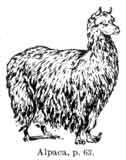
- The alpaca, whose official name is 'Lama Pacos', entered into the lives of humans some 5,000 years ago, when Andean civilizations began to domesticate this member of the camel family. Today, the alpaca, also related to the llama, is the basis of a global industry.
-
This craze was sparked by the commercial discovery of the high quality of alpaca wool, a fact that has been known since remote times by the indigenous peoples of Peru, Bolivia and Chile, where more than 90 percent of the alpaca population is concentrated, believed to number more than three million.
Although by the mid-19th century, alpaca wool was already known by some European textile companies, the “boom” that is evident today dates only to the 1980s, when commercial alpaca farms began to spring up across the United States.
Internet sites about this business, such as Alpaca.com, offer all sorts of information about this South American species, and about the risks of investing in breeding this animal for its prized wool. There are on-line sales of alpaca products and even auctions to buy these animals, some of which sell for as much as 20,000 dollars.
Alpacas are small camelids, a word that reveals its similarity to camels found in other regions of the world. In South America, this family includes llamas, vicuñas and guanacos.
In the high altitudes of the Andes Mountains, many indigenous communities make their living by raising these animals. The alpaca is particularly important because it is a species that can be domesticated and produces great quantities of wool.
The existence of non-Andean alpacas, those that are raised outside their region of origin, creates an uncertain future for the indigenous shepherds. Some experts predict that by the year 2030 there will be more alpacas in other places around the world, and will thus monopolize the global markets for their special wool.
 Print
|




