
Wednesday, November 11, 2026



News and Views from the Global South

Whales Threatened
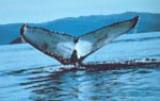
- The largest living beings on the planet, the whales, are constantly challenged by a tenacious antagonist: humans. Each time there is a global meeting on protected species, like the one taking place Nov 3-15 in Chile, this conflictive relationship re-emerges as a main topic of debate.
-
Among the first proposals presented to CITES for the Santiago meeting, known as COP 12, there are two from Japan, which seeks to soften the protection the Convention grants for at least two whale species.
Japan and Norway stand out due to their interest in more permissive rules on whale hunting, and they are the constant target of criticisms and denunciations by environmentalists for their continued depredation of these giant marine mammals, which traverse the world's oceans.
Most of the policy battles about the whale occur in the context of the International Whaling Commission, which is already preparing for its 55th meeting in June 2003 in Berlin. In 1986, the Commission declared a moratorium on the hunting of these species for commercial ends. Limited “scientific” whaling is still permitted, however, and Japan is notorious for taking advantage of that stipulation.
The decisions of the IWC tend to set the stage for the agreements reached by the parties to CITES.
However, the International Fund for Animal Welfare (IFAW) has announced that at the CITES meeting under way in Santiago the whale issue will be the source of one of the most heated debates.
Whales belong to the Cetacean order of species, which also includes other sea mammals like dolphins. The exact status of the world's whale populations is not known, but the IWC warns that the 13 largest whale species have been hurt by the excessive hunting that began centuries ago. But in some cases, says the Commission, recovery of the species has occurred thanks to international protection measures
 Print
|




