
Wednesday, November 11, 2026



News and Views from the Global South

Vital Systems
- Ecosystems are the arena in which life flourishes on this planet. The relationships between organisms of any kind and the physical elements around them reach a state of equilibrium within these systems, allowing life to sustain itself over time. But this balance can be disrupted, and is occurring increasingly often here on Earth.
-
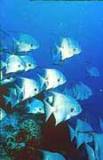
Within an ecosystem, living organisms interact with the existing physical components: light, temperature, water, soil, and with each other.
The forest is used most often to represent an ecosystem, and the degradation that occurs when trees are cut down provides a clear example of the impacts of human tampering.
Late last year, the Washington-based World Resources Institute (WRI) and the United Nations Environment Program (UNEP) presented a disturbing report on the health of the world's ecosystems, showing that they are deteriorating at an alarming rate.
''Every measure used by scientists to assess the health of the world's ecosystems tells us that we are drawing on them more than ever and degrading them at an accelerating pace,'' stressed Klaus Töpfer, UNEP executive director.
''We depend on ecosystems to sustain us, and their continued good health depends, in turn, on how we take care of them,'' he stated.
 Print
|




