Languages
Sunday, September 20, 2026



News and Views from the Global South
Analysis
TRADE-EAST AFRICA: Chaos On Eve of EPA Deadline
On the eve of the deadline of the finalisation of the economic partnership agreement (EPA) negotiations, chaos reigns.POLITICS-US: Bell Tolls for Bush’s “Freedom Agenda”
If George W. Bush's "freedom agenda" is to be his presidential legacy, then his six-year "global war on terror" has been his own worst enemy.TURKEY: Iran Becomes the Trade-Off for Northern Iraq
Triumphalism, which generally prevails in official communiqués and the Turkish media following Prime Minister Recep Tayyip Erdogan's visits abroad, was dimmed Monday night at the end of the meeting between him and U.S. President George W. Bush.POLITICS-SOMALIA: "Humpty Dumpty Has Fallen Off the Wall"
Every day that gun shots ring through a Mogadishu neighbourhood, every week that an explosion rips homes into plumes of dust, and every month that thousands of civilians flee the capital, Somalia plunges deeper into crisis.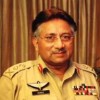
POLITICS-PAKISTAN: 'Judicial Activism' Triggered Emergency
By taking a stand on crucial constitutional issues, implicit in cases before it, the Pakistan Supreme Court may have raised the political temperature to a point where, in order to remain in power, President Gen. Pervez Musharraf felt compelled to declare emergency on Saturday.TURKEY: Rice Moves to Stall Another Iraq Invasion
The United States made a decisive step Friday towards appeasing Turkish public opinion. Speaking at a press conference here, U.S. Secretary of State Condoleezza Rice declared the Kurdish Workers Party (PKK) an enemy shared with Turkey. She stressed, however, the importance of the two allies jointly working out a viable solution.COLOMBIA: Pawns of War – The Hostage Crisis
"Mr. President, we who are going to die send you our greetings." The Sept. 26, 2006 message, addressed to Colombian President Álvaro Uribe, came from a hostage held by the Revolutionary Armed Forces of Colombia (FARC), along with eleven other provincial legislators, since April 2002.TRADE-AFRICA: The EPAs – About Development or Exploitation?
Europe’s paternal trading relationship with African states threatens to end in an almighty family fall-out if they fail to sign the economic partnership agreements (EPAs) by the end-of-year deadline.INDIA/US: Risking Survival Govt to Honour Nuke Deal
Caving in to intense pressure from Washington and from domestic business and strategic lobbies, India’s Congress party-led coalition government is planning to push through the civilian nuclear cooperation deal with the United States in the teeth of strong political opposition.POLITICS-US: For Neocons, Iran War Aim Is Still Regime Change
Vice President Dick Cheney and his neoconservative allies in the George W. Bush administration only began agitating for the use of military force against Iran once they had finally given up the illusion that regime change in Iran would happen without it.TURKEY: Relations with Iraq Become Explosive
Clashes between Turkish army units and Kurdish Workers Party (PKK) guerrillas intensified during the weekend along Turkey's borders with northern Iraq and in the country's eastern province of Tunceli. Twenty suspected Kurdish rebels were killed, according to Turkish NTV network.TURKEY: Incursion Into Iraq a Minefield Larger Than It Looks
Tension between Turkey, Iraq and the United States went up another degree as Turkish artillery continued Wednesday and Thursday to shell civilian targets and Kurdistan Workers Party (PKK) positions across its border, while army helicopters launched several raids along the border separating Turkey from northern Iraq.POLITICS: U.S. Military Ignored Evidence of Iraqi-Made EFPs
When the U.S. military command accused the Iranian Quds Force last January of providing the armour-piercing EFPs (explosively formed penetrators) that were killing U.S. troops, it knew that Iraqi machine shops had been producing their own EFPs for years, a review of the historical record of evidence on EFPs in Iraq shows.TURKEY: Referendum Win May Invite Future Unrest
Turkish voters gave new evidence Sunday that their country has made a further step towards maturity in dealing with democracy. But the result of the referendum may just open a fresh pandora's box.EUROPE: Treaty Tinkered With, Not Amended
Bleary-eyed European Union leaders agreed a 'reform treaty' for the 27-country bloc after a working dinner in Lisbon continued until the early hours of the morning Oct. 19. Yet despite suggestions that governments like those of Poland and Britain had driven a hard bargain, sizeable chunks of the text they signed up to are identical to the EU constitution rejected by French and Dutch voters in 2005.SOUTH PACIFIC: Hero’s Welcome for Bainimarama at Regional Do
Fiji’s interim Prime Minister Commodore Frank Bainimarama will return from the 38th Pacific Island Leaders meeting in Nuku’alofa, Tonga, pleased, if not surprised by the hero’s reception he got - to the consternation of the leaders of Australia and New Zealand.
POLITICS-PAKISTAN: Daughter of the East Returns – With West's Backing
The much bruited ‘deal’ between Pakistan’s twice-elected, twice-deposed former prime minister Benazir Bhutto and President Gen. Pervez Musharraf has cast a shadow over her triumphal homecoming on Thursday, after nine long years of self-imposed exile.TURKEY: Armenian Ghosts Refuse To Go Away
The decision last week by the U.S. House Committee on Foreign Relations to adopt a resolution recognising as genocide the massive killings of Armenians in 1915 and 1916 by Ottoman military forces in eastern Anatolia has marked a decisive turn in the relationship between the legislative of the United States and the Turkish government.TURKEY: Into Iraq? Easier Said Than Done
Turkey appears to be taking final steps towards a military foray into the Iraqi quagmire. It is a move favoured by the public and the military, but opposed by major powers - and Iraq.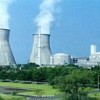
INDIA/US: Nuke Deal on Pause
Stiff opposition from coalition partners in the ruling United Progressive Alliance, as well as hesitation within its own ranks, has compelled India’s Congress party to put on hold negotiations for completing the controversial nuclear cooperation deal with the United States.TURKEY: Presidential Crisis Avoided Just in Time
Less than six weeks after his appointment, Turkish President Abdullah Gul came very close to packing for removal out of Cankaya, the presidential palace in Ankara.« Previous Page — Next Page »


The Week with IPS

NEXT STOP - SDGs
Tracking global progress towards a sustainable world
Tracking global progress towards a sustainable world
