Languages
Sunday, August 16, 2026



News and Views from the Global South
CUBA: Ecumenical Christians Working for Dialogue
It is difficult to find someone who is unfamiliar with it. Located on what was once called Real Street in the western Cuban city of Cárdenas, the Christian Centre for Reflection and Dialogue provides assistance to vulnerable people and advocates new urban waste treatment plans, the use of biogas, and reforestation.HEALTH: AIDS Stigma, a Major Hurdle in the Caribbean
The discrimination that people living with HIV face on a day-to-day level in the Caribbean results in frequent violations of their basic rights and is a major hurdle to the implementation of anti-AIDS programmes, say U.N. officials..CUBA: Despite Raises, Incomes Still Fall Short
Despite a series of government measures adopted last year to strengthen the local currency, boost incomes and improve economic conditions for the neediest segments of society in Cuba, wages and pensions still fall short in relation to the high cost of living.CHALLENGES 2005-2006: No Turning Back on Gay Rights in Cuba
As hundreds of same-sex couples in Britain - including singer-songwriter Elton John and Canadian-born filmmaker David Furnish, his partner of 12 years - are taking advantage of a new law that allows them to enter into civil partnerships with the same rights as heterosexual marriages, gays and lesbians in Cuba are still struggling to achieve a bare minimum of social acceptance.CUBA-US: Agricultural Trade Widens Wedge in Embargo
In spite of the pessimistic forecasts and turbulent political relations, trade between Cuba and the United States actually increased this year and projections for next year are favourable.CUBA-SWITZERLAND: Changing Lives
Gilberto González, a member of a cooperative in the eastern Cuban province of Holguín, came to the conclusion that metal silos are "the best thing in the world" after discovering that he can store his kidney bean crop in them without the loss of a single bean.WORLD AIDS DAY: When Living With AIDS Means Living Without Privacy
No matter how great an effort is made to guarantee the privacy of people living with HIV, the AIDS virus, this right continues to be constantly violated in most countries around the world./ARTS WEEKLY/CUBA: Restoring Old Havana – With a Social Twist
Colonial era houses converted into hostels, pharmacies that double as museums, concerts in colonial era courtyards, taverns and coffee shops: all of these have sprung up from the ruins of the historic city centre in the Cuban capital.CUBA: Angolan War Memories Live On
The arrival of December in Cuba, as well as signalling the end of the hurricane season and the scorching temperatures of summer, is also a time for remembering one of the most dramatic periods in recent Cuban history: the country's 13-year-long participation in the war in Angola.MEDIA: New Network to Promote Journalism with a Gender Perspective
More than 100 journalists from 14 countries have started networking to find ways round censorship, give gender equality greater prominence in the media, and promote the use of non-sexist language.CUBA: New Hikes in Electricity Rates, Pensions and Salaries
The Cuban government will implement new economic measures aimed at reducing energy consumption among some sectors of the Cuban population while counteracting growing social inequalities.CUBA: Waging War on Day-to-Day Corruption
The Cuban government has launched a wide-reaching anti-corruption campaign that is aimed at curbing diversion of funds, theft and abuse of power in state-owned companies and businesses, but also threatens to clamp down even further on the already limited opportunities for private enterprise.CUBA: River Project Should Protect Squatter Community from Flooding
When the sky clouds over in the Cuban capital, the residents of El Fanguito pray it doesn't rain too heavily. The problem is that their shacks made of wood, sheet metal and broken roof tiles are too fragile to withstand even the slightest overflowing of the banks of the Almendares River.CUBA: Out of the Closet, Onto the Big Screen
A government-sponsored HIV/AIDS prevention group and the Cuban Film Institute (ICAIC) joined forces to organise a groundbreaking event: the first ever gay cinema week in the history of Cuba.MILLENNIUM GOALS-CUBA: Educational Focus Shifts from Quantity to Quality
Universal primary education, one of the eight Millennium Development Goals set by the United Nations in 2000, has been a reality in Cuba for so long that it essentially taken for granted, leading both parents and the authorities to shift their attention to the quality of education received by Cuban schoolchildren./ARTS WEEKLY/FILM: “Viva Cuba!” Vies for Oscar Nomination
A children's movie exploring the themes of friendship, intolerance and emigration has been chosen as Cuba's entry for an Oscar nomination in the best foreign language film category at next year's Academy Awards.CUBA: Success in Biological Clean-Up for Oil Spills
Marine bacteria are the raw material for a product that has been applied in Cuba since 1992 to clean up oil spills at sea, in freshwater and in soils, and eyes are now on widespread application of this organic approach to an environmental problem.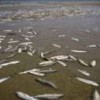
Biological Clean-Up for Oil Spills
A Cuban bio-product cleans up marine oil spills in just 30 days. Some five million barrels of fuel are moved each day through the Caribbean waters in tanker ships.HEALTH-CUBA: Global AIDS Fund Boosts Assistance
The Global Fund to Fight AIDS, Tuberculosis and Malaria will provide Cuba with millions of dollars over the next three years to help improve quality of life and treatment for people living with HIV/AIDS and to reinforce efforts to prevent the spread of the disease./ARTS WEEKLY/CULTURE-CUBA: Cienfuegos – Now a World Heritage Site
The urban historic centre of Cienfuegos, known in Cuba as the "Pearl of the South", has become the first city founded in the 19th century to be inscribed on UNESCO's World Heritage List of cultural sites.WOMEN-CUBA: Nobel Peace Nominee Defends Diversity
Nearly 20 years ago, when Lizette Vila began to work in Cuba with the disabled, transvestites, people living with HIV and alcoholics, she avoided talking about minorities, because "the word in itself was a kind of discrimination."« Previous Page — Next Page »


The Week with IPS

NEXT STOP - SDGs
Tracking global progress towards a sustainable world
Tracking global progress towards a sustainable world
