Languages
Saturday, October 24, 2026



News and Views from the Global South

China-Mexico Ties Grow Thin
"We are completely 'clueless' when it comes to China." This statement by Enrique Dussel, director of the Centre for China-Mexico Studies of the National Autonomous University of Mexico, perfectly describes the currently stale state of relations between the two countries.
Sustainable Transport Gets a Boost in Latin America
Latin America's big cities should cooperate with each other in order to overcome shared challenges in transport issues, such as sustainability and a more human-centered approach to urban development, experts say.Mexico Tearing Its Hair Out Over Mercury
The Coatzacoalcos river basin in southern Mexico is so polluted that you can sense the mercury in the air, feel it and breathe it, and the population living in the area is only too aware of its undesirable neighbours: refineries and petrochemical complexes that emit this toxic element into the air and water.Mexico’s Gun Problems Go Beyond Drug Wars
A lot of attention goes to the U.S.-made weapons in the hands of criminal groups in this Latin American country. But there is little talk of another problem: the large number of light weapons in the hands of civilians.
Community Water Management Stuck in Legal Limbo*
Community-based water supply systems, which serve thousands of rural communities in Mexico, are seeking official recognition under the new federal legal framework currently under development.
Outgoing Mexican President’s Environmental Legacy Questioned
"A Canadian firm wants to extract minerals in our area; it will harm the environment and use up water needed by the community," complained Hipólito García, who lives in Tetlama, 110 kilometres south of the Mexican capital. Similar complaints are echoed around the country.
Morelos Is a Beacon of Juvenile Justice in Mexico
In a country like Mexico, identified with soaring crime rates, impunity, police corruption and a largely dysfunctional justice system, reports of judicial efficiency are rare, especially in the case of juvenile justice.Citizens’ Tribunal Brings Charges Against Mexican President
Conservative outgoing Mexican President Felipe Calderón is to face a ballot again - not to compete for public office but to receive the verdict of a citizens' trial that is accusing him of violating the constitution.Legalisation in U.S. States May Prompt Changes in Mexico’s Anti-Drug Policy
The legalisation of small amounts of marijuana for recreational use, which will allow the drug to be taxed and regulated, in two U.S. states will prompt debate on anti-drug policies in Mexico as well, and on the coordination of strategies between the two countries, experts say.
Narco-States Grope for New Strategy*
Mexico, Colombia and Guatemala face the need to modify their approach to the fight against drug trafficking and are urging the world to do the same. But Mexico and Colombia’s willingness to make the necessary changes is unclear.Mexico’s Homeless Are Targets of “Social Cleansing”
Non-governmental organisations in Mexico are presenting a complaint Friday Nov. 2 before the Inter-American Commission on Human Rights about government mistreatment and "social cleansing" of thousands of people living on the street in several of the country's cities.
Sorting Out Mexico City’s Chaotic Transport System
Greater integration of public passenger transport is a major challenge facing the next government of the Mexican capital, one of the most traffic-congested cities in the world, if it wants to guarantee people the right to mobility.
Mexico Could Say Goodbye to Imported Maize
It has been many years since Mexico, the birthplace of maize, has been self-sufficient in this staple food that plays a central role in its cuisine and culture. But new studies indicate that it could produce enough maize to meet its needs within 10 to 15 years.Treaty Tolls Death Knell for Mexican Countryside
The Trans-Pacific Strategic Economic Partnership Agreement negotiations, which Mexico is to join in December, are threatening to eliminate the last defences of the country’s agricultural sector.
Where Drugs Abound – and Syringes to Fight AIDS Are Scarce
In northern Mexico, one of the areas in the country hit hardest by drug trafficking, there are not enough syringes to protect intravenous drug users from HIV/AIDS and hepatitis.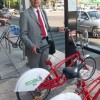
Bicycles Defend Their Place in Mexico City’s Concrete Jungle
Juan Longueira, 56, uses the bicycles of the Ecobici system three times a day, to commute to and from work and to exercise along the Paseo de la Reforma, a central Mexico City avenue.Rural Mexican Communities Rich in Resources, Poor in Capital
The La Ventanilla community in the southern Mexican state of Oaxaca has not given up in the face of devastating hurricanes, but has organised to protect mangroves and animal species like the Olive Ridley sea turtle.
Mexico, Also a Haven for Illegal Fishing
The authorities in Mexico seem to have thrown in the towel in the fight against illegal fishing, which is hurting fisheries, the environment, and incomes.
Q&A: “The Trend in the Western World Is the Dissolution of Cities”
The prevailing trend in much of “the Western capitalist world is the destruction and dissolution of cities,” which represents a threaten to democracy, “because the city is the place where public freedoms were born,” warns urban planner Jordi Borja in an interview with Tierramérica*.
Shelters for Undocumented Migrants under Threat in Mexico
Two years after the massacre of 72 migrants in Mexico, shelters for undocumented migrants are facing challenges and threats, due to the rise in the number of people seeking assistance, the lack of solidarity on the part of local communities, pressure from organised crime, and a lack of adequate public policies addressing the problem of migration.
“The Trend in the Western World is the Dissolution of Cities”
An area where people only go to sleep is the antithesis of a city, says Spanish urban planner Jordi Borja in this interview.« Previous Page — Next Page »





The Week with IPS

NEXT STOP - SDGs
Tracking global progress towards a sustainable world
Tracking global progress towards a sustainable world
