Languages
Friday, November 13, 2026



News and Views from the Global South

MALAYSIA: Power-Surplus Sarawak Funds Another New Dam
Preliminary work on a 3 billion ringgit (875 million dollar) dam in Murum in the north Borneo state of Sarawak has put the spotlight on a controversial scheme to build a string of public-funded dams to provide cheap electricity for energy-intensive industries to the state.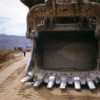
TRADE-AFRICA: Chinese Dragon Shifts Its Weight
Behind the media headlines about China's scramble into Africa, new trends are emerging of far-reaching involvement in finance, infrastructure and manufacturing. A two-way engagement even sees African lessons shaping Chinese foreign policy.ECUADOR: Gearing Up for a New Constitution
Voters in Ecuador are getting ready to go to the polls Sunday, where they are expected to approve a new constitution that recognises ethnic diversity and expands social and environmental rights.TUNISIA: Ally of the U.S., Not of Journalists
Journalists and human rights activists in Tunisia are regularly imprisoned and harassed for criticising the government of President Zine Al Abidine Ben Ali's policies, according to a new report released this week by the Committee to Protect Journalists (CPJ), a New York-based watchdog.
DEVELOPMENT-TANZANIA: Lighting Up Women’s Lives
Anneth Laizer shoved her kerosene lantern onto the top shelf and switched on the lights after her home in Tanzania's third-largest city, Arusha, was connected to electricity earlier this year.DEVELOPMENT: Presidents Boost Maternal and Child Health
As world leaders gather at the United Nations to discuss progress toward achieving the Millennium Development Goals (MDGs), Presidents Michelle Bachelet of Chile, Tarja Halonen of Finland, and Jakaya Mrisho Kikwete of Tanzania are calling for more attention to be paid to maternal and child health.
EDUCATION-ZAMBIA: Food Insecurity Hits Schools
"Sometimes there is barely any food at home, so I only eat at school, at lunch," said Justin Banda, a 12 year old student, at Chikumboso school in Lusaka’s Ngombe township.RELIGION: Atheists Take to the Streets
Atheists who have built up a virtual community over the last decade will hold the "First Global Atheist March for a Secular Society" on Sunday, with the aim of defending their views and protesting that they are misinterpreted and in some cases discriminated against.DEVELOPMENT: Food Security Hostage to Climate Trends
More than 50 African leaders meeting at the United Nations this week focused on strategies to overcome a myriad of interrelated problems - food shortages, droughts, HIV/AIDS, an energy crisis, climate change and military conflicts - on the troubled continent.
DEVELOPMENT: Poverty Hearings Show People Behind the Numbers
Benjamine Agbodjan Ablavi of Togo says she scraped together the money to pay her own school fees by selling fruit.
Q&A: "Violence Is Part of the History of El Salvador"
He says he has read the Bible three times and that gang members are "not only victimisers but victims of the system of violence" in El Salvador.
POLITICS: IBSA Banks on Trade, Tourism
As the India, Brazil and South Africa (IBSA) grouping takes formal steps towards promoting tourism among the three countries, industry representatives say ‘real work’ needs to be done to pull together an initiative that must work across vast stretches of ocean.LABOUR: Abuse, Alienation Daily Fare for Women Migrants
Sexual abuse, harassment, poor living conditions and disconnection with their families and own cultures - these are real-life stories that Sharu Joshi Shrestha hears from many Nepali, Bangladeshi and Sri Lankan women migrants who come to her office each day.
ECONOMY: It Pays to Go Green
A new report shows how a greener economy could eradicate poverty by creating tens of millions of new jobs. But it will not happen solely through the market's "magic hand".POLITICS-US: Swiftboating Obama on the Cheap
In 2004, the so-called Swiftboating of Sen. John Kerry's U.S. presidential campaign changed the course of history by helping defeat the Massachusetts senator, and the tactic appeared to become an instant blueprint for future political campaigns.RIGHTS-US: Asylum Courts Mishandled Gender Violence Case
A woman who was denied asylum in the U.S. despite her fears that she would suffer additional female genital mutilation if she was deported to her native Mali has been given a second chance.EUROPE: Failing to Step Up Medical Support to Africa
Almost two years after the European Union resolved to step up its efforts to address the shortage of doctors and nurses in poor countries, its progress has been found unsatisfactory by the bloc's own officials.DEVELOPMENT: Matching Struggling Farmers with the World’s Hungry
In a significant policy shift, the Rome-based World Food Programme (WFP) announced Wednesday that it will start buying food directly from local farmers' associations in developing countries.CENTRAL AMERICA: Violence Exacts Increasingly Heavy Toll
Violent crime costs Central America an estimated 6.5 billion dollars a year, equivalent to 7.7 percent of gross domestic product in the region, where the two least violent countries are the wealthiest - Costa Rica - and the poorest - Nicaragua, according to a study carried out in El Salvador.CLIMATE CHANGE: Denmark, Norway Grapple with Growing CO2
Even as Scandinavian leaders have assumed a prominent role in international efforts to cut greenhouse gas emissions and combat climate change, both Norway and Denmark have failed to reduce their own emissions.EUROPE: Uncertain over Containing 'Crazy' Markets
The turmoil in the financial markets and the resulting slump in the global economy has highlighted the stark inequality in the European Union.« Previous Page — Next Page »


The Week with IPS

NEXT STOP - SDGs
Tracking global progress towards a sustainable world
Tracking global progress towards a sustainable world
