Languages
Friday, November 13, 2026



News and Views from the Global South

SPORTS: Angst Follows Olympic Torch from Beijing to Vancouver
The 29th summer Olympics cast renewed light on China's treatment of ethnic minorities in Tibet, and as the games wind down, a similar, if less pronounced set of controversies will follow the torch to Canada when Vancouver hosts the 2010 winter games.US/PAKISTAN: Taliban Tests Fragile Coalition Gov’t
When Pakistani president and former military dictator Gen. Pervez Musharraf stepped down on Monday, it marked the official end of the flawed Pakistan policy of the administration of U.S. President George W. Bush.
LAOS: Film Reveals CIA's 'Most Secret Place on Earth'
It was known as the ‘secret war’, a covert operation waged by the U.S. Central Intelligence Agency (CIA) throughout the sixties and early seventies against communist guerrillas in Laos.
BRAZIL: Setting an Important Precedent for Indigenous Lands
An imminent decision by Brazil’s Supreme Court on the demarcation of the Raposa Serra do Sol indigenous reservation in the Amazon jungle region has the country’s native communities on edge, because of the precedent it will set.POLITICS-COTE D'IVOIRE: Anti-Xenophobia Law Gets Lukewarm Reception
Human rights organisations are wary of a new law against xenophobia, racism and tribalism adopted by the Ivorian parliament. Certain organisations fear it will lead to infringements on freedom of speech.POLITICS-US: McCain’s Plan to Privatise Veterans’ Health Care
If John McCain is elected the next U.S. president, wounded veterans could be in for a world of hurt.
CHINA: Agony Turns Ecstasy as Gold Medals Pile Up
As China piles up gold medals, even the host nation has been watching in bewilderment. Despite popular expectations that China’s athletes would shine on home turf, the medal bonanza has surprised usually skeptical Chinese people.
MIDDLE EAST: In the Race for Renewable Energy Sources
As the world scrambles to develop renewable energy resources (RES), the oil-rich Gulf countries that benefit from high prices on fossil fuels are making sure that they do not get left behind.
BOLIVIA: Businesses Take On the Green Challenge
What do Bolivia's largest textile mill, an organic cacao cooperative and an indigenous-run tourist hostel in the Amazon have in common? The answer lies in the path, shaky but inspiring, that they are all taking towards sustainable production.HEALTH: Global Agenda Increasingly Disease-Driven
At the end of last month, U.S. President George W. Bush signed a global health package that effectively tripled U.S. spending over the next five years to fight HIV/AIDS, malaria and tuberculosis in poor countries, to 48 billion dollars.
ZAMBIA: Mwanawasa Leaves Mixed Legacy
More than two months after suffering a stroke while at the African Union (AU) summit in Egypt, Zambian President Levy Mwanawasa died Monday in hospital in France.SOUTH ASIA: Musharraf's Exit Leaves India Confused
India's Pakistan policy is in disarray following the resignation of Pervez Musharraf as president, to avoid impeachment, after almost nine years of authoritarian rule.AFGHANISTAN: Taliban Fill Power Void in Kabul?
The ambush that killed 10 NATO soldiers outside of Kabul on Tuesday, the worst battlefield loss for western forces since the war began, was the capstone in a week of high-profile insurgent activities in Afghanistan.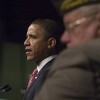
POLITICS-US: Anti-Obama Echo Chamber in Full Swing
Right-wing groups are stepping up their campaign against Democratic presidential candidate Barack Obama, with two new books on the best-seller lists, another on the verge of publication, and a full-length documentary that will premiere during the party conventions later this month.
TRADE-TANZANIA: Cheap Imitation Goods Are Flooding Markets
The mishmash of shops in Tanzania's central Kariakoo market in Dar es Salaam stock an infinite array of brand name fakes. Throngs of customers snap up mobile phones, designer gear, high-tech electronics and gadgets - all imitations being sold at unbelievably low prices.POLITICS: Kosovo Casts Shadow on South Ossetian Standoff
With the conflict between Georgia and Russia lowered to a simmer after the signing of a ceasefire agreement, questions still remain about the U.S. role and positions on the start of the conflict as well as where it stands moving forward towards a resolution.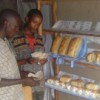
REFUGEES-ZAMBIA: Making a Home For Themselves
Zambia is home to over 90,000 refugees, many of whom have been in the country for up to 15 years. A voluntary repatriation programme is now drawing to a close, but many of the refugees will likely remain in a country where they have established themselves.
DEVELOPMENT-ZAMBIA: Sharing the Copper Windfall
Australian mining giant Equinox Minerals is developing the Lumwana Copper Mine (LCM) to take advantage of strong prices for copper on the international market. When it opens later this year, the mine will be the largest in Africa, but critics say Zambia's share of the profits of minerals is smaller than it should be.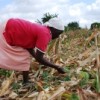
ZIMBABWE: Farmers Can't Afford to Leave Markets – Literally
It is a wintry Tuesday evening at one of the tobacco auction floors in the Zimbabwean capital Harare. A group of small-scale tobacco farmers are preparing food for the night.ISRAEL: Mr. Security versus Mrs. Clean
Members of Kadima face a vexing choice ahead of the ruling party's leadership primary next month: Do they support Transport Minister Shaul Mofaz, who may have the best chance of cobbling together a new governing coalition, or do they back Foreign Minister Tzipi Livni because polls show that Kadima under her leadership would significantly outperform a Mofaz-led Kadima in a general election?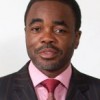
Q&A: 'If You Feed the Land, It Will Feed You Back'
Luc Gnacadja, who took over as Executive Secretary of the United Nations Convention to Combat Desertification (UNCCD) last October, is a man with a mission - a mission that goes beyond explaining that his job is not to battle deserts.« Previous Page — Next Page »


The Week with IPS

NEXT STOP - SDGs
Tracking global progress towards a sustainable world
Tracking global progress towards a sustainable world
