Languages
Saturday, November 21, 2026



News and Views from the Global South
ECUADOR: Support Grows for Letting Sleeping Amazon Oil Lie
The innovative offer by the government of Ecuador to refrain from exploiting its largest oil reserve, in exchange for international compensation for nature conservation, is attracting increasing support.MEXICO: Dean Highlighted Preparedness as Well as Vulnerability
Hurricane Dean, one of the four strongest hurricanes to make landfall since records began to be kept, demonstrated the high level of development achieved by local disaster prevention and civil protection plans in Mexico, but also the country’s environmental vulnerability, caused by human activities.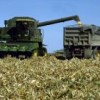
DEVELOPMENT: Mutiny Shakes U.S. Food Aid Industry
One of the largest international aid organisations in the world turned the food aid industry on its head recently by declaring that they will turn down 46 million dollars in food subsidies from the U.S. government.ZIMBABWE: Rights Groups Disappointed at SADC Summit
Last week's regional Southern African summit, which focused on the deteriorating situation in Zimbabwe, has not impressed human rights groups, which were hoping for specific plans to be made concerning the daily rights violations in Zimbabwe.
ENVIRONMENT-ARGENTINA: Sad Tale of the Tercero River
Argentina's polluted rivers are not limited to Buenos Aires. Wastewater dumping is devastating the second largest river of the central province of Córdoba, the Ctalamochita, or Tercero River.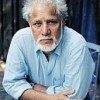
Q&A: “We Live in an Age of Migration”
Celebrated Canadian writer and poet Michael Ondaatje recently published "Divisadero", his first novel in seven years.UGANDA: Good Labour Practices Bloom in Flower Industry
A highly profitable industry has blossomed in "the Pearl of Africa", yielding not only exceptional returns on investment but helping raise labour standards. Rising from nearly zero production ten years ago, Uganda has emerged as a global power in the floricultural world and is now Africa's fifth largest exporter of cut flowers.SOUTH KOREA: Pyongyang Can Queer Presidential Elections Pitch
What may have won businessman Lee Myung-Bak a nomination as front-runner for the Dec. 19 presidential elections favoured to replace left-wing incumbent Roh Moo-Hyun is public sentiment for a return to the days when South Korea enjoyed a strong economy.
Q&A: “I Have Ideas for Things That Need To Be Done in All Social Sectors”
It's a long way from the north of France to West Africa - and from studying mathematics at the University of Lille to becoming a mayor in central Cameroon. But Marie-Hélène Ngoa has successfully undertaken both these journeys.POLITICS-IRAN: Ahmadinejad Held to Election Promises
President Mahmoud Ahmadinejad who came to power two years ago, winning 62 percent of the popular vote, is rapidly losing popularity for failure to make good on election promises to improve the lives of ordinary people by sharing Iran's vast oil revenues with them and respect their private lives.TRADE-EAST AFRICA: Learning From Past Glories
East African scholars are delving into history for clues on cultivating economic ties and dealing with challenges in a new era of expanding trade with China and India.MIDEAST: Preparing for War, Talking Peace
Israeli officials have used almost every public platform over the last week to declare that Israel has no war-like intentions toward Syria. Officials in Damascus have made similar soothing proclamations, insisting they have no belligerent intentions toward Jerusalem. And, recently, senior officials from two Arab states passed on messages to Israel that Syria is not planning an attack in the coming months.IRAQ: Another U.S. Military Operation, More Unrest
New U.S. military operations across Iraq appear to be worsening the situation.LEBANON: Israel Strengthens Its Enemy
It has been especially difficult for Ali Nasrallah to tend to his garden this time of year. Nasrallah, a 40-year-old construction worker from Taybeh in southern Lebanon, lost his mother, father, brother and sister during last year's war between Hezbollah and Israel.POLITICS-PAKISTAN: Lawless North Turns Hostile to NGOs
Threats to non-governmental organisations (NGOs) have brought development work to a halt in Pakistan’s lawless North West Frontier Province (NWFP).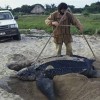
ENVIRONMENT- SOUTH PACIFIC: Sea Turtles – Iconic but Going Extinct
Reports of the extinction of China’s iconic Yangtze River dolphins have some conservationists in the South Pacific fearing that the same fate awaits certain migratory species of sea turtles, which are similarly imperilled.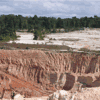
GUYANA: From Lush Jungle to Muddy Moonscape
Late last month, three Guyanese cabinet ministers flew to a southwestern jungle community near Brazil to probe reports that an unscrupulous group of gold and diamond miners had plundered the area so recklessly that roads simply disappeared and the area's water system had crumbled under the weight of heavy machinery.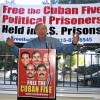
RIGHTS-US: Cuban Five Get Another Day in Court
A federal appeals court here heard arguments Monday in a case that has sparked wide debate about the right of a country to defend itself against perceived "terrorists".HEALTH-BURMA: HIV Rates Falling As Funds Dry Up – Experts
Burma is seen as a reclusive country whose real HIV and AIDS situation is a deep, dark secret. But top Burmese officials, independent experts and AIDS researchers here painted a picture of a country that is making some progress, despite what some called its "unethical" abandonment by international AIDS organisations.JAMAICA: Hurricane Dampens Squeaker Election
When Hurricane Dean pounded Jamaica on Sunday, it not only damaged roads, uprooted trees, blew away the roofs of many buildings and killed at least three people, it also provided Prime Minister Portia Simpson Miller with perhaps another week to convince voters that she is the best person to lead the country over the next five years.MEDIA-MOROCCO: Censorship Begins At Home
A new press law has created a regulatory council comprising journalists that some fear could lead to censorship by media persons rather than the government.« Previous Page — Next Page »


The Week with IPS

NEXT STOP - SDGs
Tracking global progress towards a sustainable world
Tracking global progress towards a sustainable world
