Languages
Thursday, October 29, 2026



News and Views from the Global South

SA needs to do more to protect mothers
 The number of women who are dying while giving birth is on the increase in South Africa. HIV and negligence in the healthcare system are being blamed. Zukiswa Zimela reports from Johannesburg.
ISRAEL: Children Facing Deportation Find Friends
After Israel’s Interior Ministry attempted to deport the first migrant workers’ child educated in the Israeli school system, human rights groups are calling on the Israeli government to develop a clear immigration policy and an official protocol that will minimise the psychological impact of detaining and deporting young children.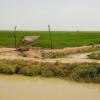
MAURITANIA: Fresh Attempt at Irrigated Agriculture
In a bid to reduce food insecurity, the Mauritanian government is turning to several new approaches to agriculture, including expanded irrigation schemes, popularising new crops and harnessing the energy of recent graduates.
HAITI: Patchy Healthcare Adds to Miseries of Women and Girls
"I just gave birth on the ground...I had no drugs for pain during delivery," one Haitian mother tells Human Rights Watch (HRW) in a report released Tuesday that says a year and a half after the country's devastating earthquake, women and girls are still facing gaps in access to available healthcare services necessary to stop preventable maternal and infant deaths.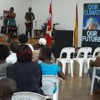
Zim women stand up for their rights
Young women in Zimbabwe are taking steps to ensure that decisions around their bodies and sex become part of their human rights. Zukiswa Zimela reports
Women aim for representation in Mauritius government
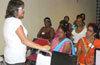
A new study is showing that Mauritian women are making great strides toward representation in government. But Nasseem Ackbarally reports that there is a lot more to be done.
Bangladesh: Learning by Doing
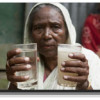
 Six year-old Moly scrubs and cleans her hand under a running water from a tap in her village here in Sirajgonj city, 110 kilometres north-west of the capital city Dhaka. The hands she proudly holds out are squeaky clean.
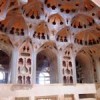
IRAN: Music Finds a Voice in Tehran
The waiter at the coffee shop moves rapidly to the entrance for a quick glance outside. Within, a young Iranian musician has started to play the saxophone. He has five minutes to perform, he cannot risk a raid on the "guerrilla" location for a little music.Ecobreves – HONDURAS: First Graduates in Environmental Risk Management
The first 68 specialists in natural disaster risk management, prevention and recovery have graduated from the public National University of Honduras, as part of efforts to build capacity in order to reduce the vulnerability of this Central American nation.Ecobreves – BRAZIL: Forests Near Sugar Cane Fields Boost Carbon Capture
Preserving forests located in the midst of sugar cane plantations helps reduce the greenhouse gas emissions generated by these monoculture plantations, according to a team of researchers at the University of São Paulo, Brazil.Ecobreves – VENEZUELA: Oil Upgrading Plant Blamed for Health Problems
Soot from the coke and sulfur produced as byproducts of crude oil upgrading at the Jose industrial complex, in the eastern Venezuelan municipality of Peñalver, is polluting the air and affecting the health of humans, animals and plants in the surrounding areas, say local NGOs.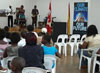
Zim women stand up for their rights
Young women in Zimbabwe are taking steps to ensure that decisions around their bodies and sex become part of their human rights. Zukiswa Zimela reports.
Female Trafficking Soars in Iraq
Rania was 16 years old when officials raped her during Saddam Hussein’s 1991 crackdown in Iraq’s Shia south. "My brothers were sentenced to death, and the price to stop this was to offer my body," she says.
Flushing toilets bring hope to Zambian slum
Only about one in four Zambians has access to clean water and sanitation. But a new water scheme in a settlement near Lusaka is bringing hope to thousands of residents who still depend on pit latrines.
Drought strains Kenyan community
Four years of drought in the Igembe North County is putting a strain on the community. Mary Itumbi reports from Kenya.
IRAQ: Trafficked to Baghdad’s Green Zone
Ukrainian and Bulgarian workers are currently camped out on a construction site of half-built luxury villas in Baghdad’s elite "Green Zone" – a vast security enclave housing government offices, embassies and international NGOs - demanding their salaries before being shipped back home.
Refugees Tossed Between Iraq and Syria
At the height of Iraq’s sectarian war in 2006, 30-year-old Samer escaped his Baghdad neighbourhood to join a flood of refugees arriving in Syria. A young man of military age, he was at high risk of being targeted by armed forces that roamed the capital’s streets.
KENYA: Poor Struggle as Inflation Soars
As Kenya's inflation rate reached 15.53 percent, compared to 3.18 percent in October 2010, the country's poor have been struggling to afford the most basic of essentials. In some areas families can no longer rely on regular meals and have reduced them to one a day, others mostly eat potatoes to get by, and in one Rift Valley slum, poor families now buy toothpaste by the drop.PAKISTAN: Democracy Follows Drones
Along with the devastating drone strikes the United States-led ‘war on terror’ in Afghanistan is bringing changes to punitive laws imposed by British colonialism on Pakistan’s Pashtun areas more than a century ago.
Mother-to-child HIV infection still a worry
It is estimated that between 40 and 50 000 babies will be born in Kenya this year with HIV and Aids that they receive from their mothers. Indications are, however, that the country is becoming less successful in preventing the spread of the virus at birth.
« Previous Page — Next Page »





The Week with IPS

NEXT STOP - SDGs
Tracking global progress towards a sustainable world
Tracking global progress towards a sustainable world
