Languages
Thursday, October 8, 2026



News and Views from the Global South
CLIMATE CHANGE: Trade, Finance Issues Add to Wrangling in Bali
Three poles - trade, finance and the environment - have emerged at a pivotal international conference on climate change, posing a daunting task for leaders to find common ground before the end of this two-week meeting, Friday.THAILAND: Thaksin's Pro-Poor Politics Haunt Poll Campaign
For the past 15 months, Thailand’s conservative political elites, who profited most from last year’s coup, rallied around the theme that populist policies lead to corruption and spread their idea through the media, public speeches and at university seminars.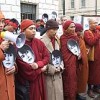
POLITICS-BURMA: Junta Snubs UN Yet Again
Burma’s military regime fired a warning shot this week to let the United Nations and the international community know that it will not cave into pressure on domestic political reform.CLIMATE CHANGE: Washington in the Crosshairs
The U.S. government of President George W. Bush is heading for a rough ride during a major international conference about the planet's future that began this week on the Indonesian resort island of Bali.HEALTH-VIETNAM: Bird Flu Fighters Have Ducks in Their Sights
As the temperature drops and another cool season approaches, attention is turning to Vietnam’s duck population, suspected to have become vulnerable to the deadly avian influenza (AI) virus.HEALTH-THAILAND: 'Deny Drug Addicts Anti-HIV Treatment, Feed Epidemic'
Thailand’s reputation as a world leader in combating the spread of HIV and AIDS is being challenged by a new study which accuses Bangkok of ignoring those most vulnerable to the virus - drug users.ENVIRONMENT: Palm Oil Not Green For Asia – UN Report
European Union (EU) demand for supposedly green-friendly fuels, such as palm oil, is coming at a high social and environmental cost in Asia, warns a new report released Tuesday by the United Nations Development Programme (UNDP).HEALTH: Global Campaign Vows to Fight MNC Drug Monopoly
Public health and HIV/AIDS activists from the developing world are seeking to break the monopoly over drugs held by pharmaceutical giants through a new global campaign designed to influence international debate over the issue.POLITICS: ASEAN Family Gets ‘Protective’ About Burma
South-east Asian leaders closed ranks this week behind a view that places a higher premium on protecting the life of the region’s governments, no matter how oppressive they are, than on being accountable to their respective peoples.CLIMATE CHANGE: China and India Can Do More – UN Official
A United Nations official has urged Asian giants China and India to shoulder greater responsibility for a healthier earth when talks begin at a major climate change conference to be held on the Indonesian resort-island of Bali in December.
BURMA: UN Envoy Pushes For Prison Visits by Red Cross
By making a case for the International Committee of the Red Cross (ICRC) to be allowed to resume visiting Burma's prisons, a United Nations human rights envoy has brought to relief a benchmark that will prove difficult for the country’s military regime to ignore.
ENVIRONMENT: Mekong River Commission Remiss – Activists
The campaign to save South-east Asia’s largest waterway from being blocked by a series of massive dams picked up pace this week, with activists accusing a regional river authority of abandoning its mission to protect the Mekong River.
HEALTH-ASIA: Dengue No Longer Paediatric Says WHO
As public health experts in South-east Asia come to grips with one of the worst outbreaks of dengue fever in years, they discern a disturbing pattern about the profile of patients who have died from the virus vectored by the aedes aegypti mosquito.POLITICS-THAILAND: Straitjacket Elections Has Army Stamp All Over
The first parliamentary election to be held in Thailand since last year’s army coup is generating excitement for the wrong reasons. Political parties, the media and analysts are up in arms over a raft of restrictions imposed on candidates for the Dec. 23 poll.DEVELOPMENT: Oil Prices May Impact MDGs – UN Report
A new mechanism to measure the impact of rising oil prices on Asia’s poor offers a sobering forecast. There is a clear threat to the region’s gains in reducing the numbers living poverty.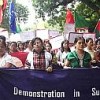
RIGHTS-BURMA: UN Envoy’s Visit – Facelift for Junta?
While they welcome the return of a U.N. human rights envoy to Burma, political exiles from the country are asking pointed questions such as who stands to gain most from the high-profile visit.ENVIRONMENT-ASIA: Deforestation Symptomatic of Corrupt Regimes
When a global anti-graft watchdog surveys the Asian landscape for corruption indicators, the continent’s forests depleted by illegal logging invariably enter the picture.ENVIRONMENT: Indigenous People Make Best Forest Custodians
The millions of indigenous people living across Asia and the Pacific are finally gaining recognition for the key role the play in forest conservation.POLITICS: UN, ASEAN Lock Hands on Burma
Launching his latest diplomatic mission in South-east Asia, the United Nations special envoy for Burma has thrown his weight behind a view that governments in this region have to play a lead role in defusing the crisis in the military-ruled country.HEALTH-ASIA: Nutrition Is Key to AIDS Treatment Say Experts
People living with HIV and AIDS in two corners of Asia may benefit from a campaign that seeks to broaden public policy responses to the syndrome. Central to this new drive is to make nutrition programmes a part of treatment, say experts.
RIGHTS-BURMA: Buddha's Peace Prevailed in Mandalay
When Burma’s military regime mounted an attack on unarmed Buddhist monks and civilian protestors in Rangoon, the residents of this ancient city feared similar treatment.« Previous Page — Next Page »





The Week with IPS

NEXT STOP - SDGs
Tracking global progress towards a sustainable world
Tracking global progress towards a sustainable world
