Languages
Monday, October 26, 2026



News and Views from the Global South

MIDEAST: Hamas to Carry Out More Executions
The Hamas authorities in Gaza have vowed to carry out more executions of those on death row despite intense international criticism and condemnation from both Israeli and Palestinian human rights groups.
MIDEAST: Custodial Death Marred Palestinian Prisoners Day
A young Palestinian man died in Israeli custody as hundreds of Palestinians took to the streets of villages and towns across the West Bank and Gaza to commemorate Palestinian Prisoners Day on Friday, Apr. 16.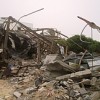
MIDEAST: Gaza Border Tension Sparks Security Concerns
Tension on Israel’s border with Gaza has increased over the last two weeks. A number of rockets hit Israel while ensuing clashes between the Israeli Defence Forces (IDF) and armed Palestinians left a number of Palestinians and two Israeli soldiers dead.
MIDEAST: Gazans Gassed by Silent Killer
"You feel very sleepy and dizzy. You put your head down and all you want to do is sleep. Everything feels very peaceful, you are not even aware what is happening and if there is no immediate intervention you are dead within minutes," Enaam Abu Nada told IPS.
MIDEAST: Palestinian Christians Barred From Jerusalem for Easter
Israeli authorities prevented thousands of Palestinian Christians from entering Jerusalem and accessing Christianity’s most holy sites over Easter in an unprecedented clampdown on religious freedom.MIDEAST: Fatah Men Face Imminent Execution in Gaza
Nine Palestinians - most of them affiliated to the Palestinian Authority (PA) Fatah movement - face imminent execution by hanging or firing squad in Gaza.MIDEAST: Israel Gags News on Extra-Judicial Killings
An Israeli journalist remains under house arrest and another lives abroad, after they broke news on Israeli undercover units carrying out assassinations or "targeted killings" of non-combatant Palestinian political opponents.MIDEAST: Palestinian Death Penalty Very Much Alive
Last November, Muhammad Al Saba, 36, from Rafah in the southern Gaza Strip was sentenced to death by hanging by a military court in Gaza for alleged acts of "treason and collaborating with hostile forces."MIDEAST: ‘Palestinian Life is Cheap’
In early February, 41-year-old Fayez Ahmed Faraj, a father of nine from the city of Hebron, 30 miles south of Jerusalem, in the southern West Bank, was shot dead in his home town by Israeli soldiers after he allegedly tried to stab one of them.MIDEAST: Israeli Army World’s Most Moral?
Many Israelis like to believe, and the cliché is repeated regularly in Israel, that their army is the "most moral army in the world."
MIDEAST: ‘Day of Rage’ Engulfs Palestine
On Tuesday tens of hundreds of Palestinians of all political persuasions took to the streets, alleys and sidewalks as widespread rioting and protests spread across East Jerusalem, the West Bank, Gaza and into Israel proper.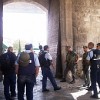
MIDEAST: Israel Lands in Public Relations Nightmare
Israeli riot police and soldiers have, since Friday, sealed off the Al Aqsa mosque, Islam’s third holiest shrine, restricting entry to women and Palestinian men over 50.MIDEAST: Iran, Israel Spoiling for a Fight?
Iran and Israel appear to be spoiling for a fight, going by recent belligerent statements emanating from several regional capitals.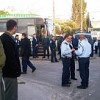
MIDEAST: Israeli Left Emerges From Coma Amid Atrocities
Amid the wave of violence that swept through the occupied Palestinian West Bank, including East Jerusalem, over the last few days, there are signs that the Israeli left may be emerging from its collective coma.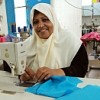
MIDEAST: Occupation Turns Palestinian Women Into Breadwinners
Israel’s occupation of the Palestinian territories, with its ubiquitous closures, checkpoints, military raids and arrests, has decimated the Palestinian economy in the West Bank and Gaza.
MIDEAST: Palestinians Excluded From Bulk of West Bank
Israel’s illegal occupation and continued expropriation of Palestinian land in the West Bank has left 2.5 million Palestinians living there with effectively less than 40 percent of the territory.MIDEAST: Dubai Hit Exposes Hamas’s Weaknesses
Hamas has closed ranks and is licking its wounds following the Jan. 20 assassination in Dubai of one of its top operatives, Mahmoud Al Mabhouh. It is alleged that one of its own was responsible for providing the hit team with vital logistical information.MIDEAST: Scandals, Assassination Plan Rock Palestinian Authority
The Palestinian Authority (PA) in Ramallah is fighting a tidal wave of fresh allegations, including sexual harassment, an internal power struggle and embezzlement.MIDEAST: Gaza’s Female Scribes Face Worse Than Discrimination
Female journalists worldwide complain about discrimination on the grounds of gender. However, their colleagues in Gaza also face death threats, the dangers of working in a war zone and the struggle for daily necessities as the Israeli siege on Gaza drags on.MIDEAST: Gaza Energy Crisis Averted – For Now
Pressure exerted on the Palestinian Authority (PA) by international and regional officials has given Gazans a last minute reprieve, albeit temporary, from plunging into darkness and plummeting temperatures.
MIDEAST: Gazans Denied Justice as Rights Take a Beating
Gazans hoping for a modicum of justice following Israel’s indiscriminate military assault on the coastal territory during December 2008 and January 2009 - which left 1,400 Palestinians, mostly civilians, dead - could be waiting in vain.« Previous Page — Next Page »





The Week with IPS

NEXT STOP - SDGs
Tracking global progress towards a sustainable world
Tracking global progress towards a sustainable world
