Languages
Friday, October 23, 2026



News and Views from the Global South
Rumblings Rise Between Hezbollah and Israel
Israeli intelligence has warned that a new war with Hezbollah on Israel's northern border with Lebanon cannot be ruled out, following heightened tensions between United Nations peacekeeping forces and Hezbollah supporters in the south of Lebanon.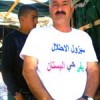
MIDEAST: Peace May Rest on the Future of 88 Houses
Frequent clashes and continuing tension in disputed East Jerusalem could portend a major outbreak of civil unrest, residents fear.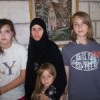
Israelis Keep the Trigger Tight
"Where is my daddy? Why is he not coming home? I want my daddy," sobs seven- year-old Yasmin, her big blue eyes filling with tears. She wakes up crying every night.
Arab-Israeli Parliamentarian Fights Death Threats
"I stopped counting after I had received 50 death threats. I told my secretary not to tell me about them any more," Arab-Israeli Knesset (parliament) member, Haneen Zoabi told IPS.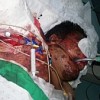
RIGHTS-MIDEAST: ‘Gaza Blockade Must Go’
Under intense international pressure Israel declared last week that it would ease its crippling blockade on Gaza by permitting an additional but limited number of daily items, including food, into the coastal enclave.MIDEAST: Advantage Hamas After Flotilla Fiasco
Israel may allow soft drinks, juice, canned fruit, salads, biscuits and potato chips into the Gaza Strip from next week. What should be an unremarkable event is making news headlines and portends unseen consequences.
Q&A: ‘We’ll be Back – With Bigger Flotillas’
In an exclusive interview with IPS Huwaida Arraf, the chairwoman of the Free Gaza (FG) movement, which tried to break Israel’s crippling blockade on Gaza, explains what happened on the night of May 31 when Israeli commandos raided the FG humanitarian flotilla, shooting nine people dead and injuring dozens more.
MEDIA-ISRAEL: Beatings, Abuse, Doctored Evidence Emerge
Although Israel successfully controlled news of its deadly commando raid on the Free Gaza (FG) flotilla during the first crucial 48 hours of media coverage, emerging evidence from witnesses and survivors is challenging the Israeli government's version of events.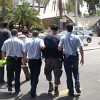
Israel Censors News on Deadly Flotilla Raid
Attempts by media to interview some of the hundreds of Free Gaza (FG) members, who were being deported from Tel Aviv’s Ben Gurion International Airport, Wednesday, were thwarted by Israeli authorities.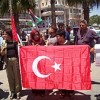
ISRAEL: Censure Follows Raid on Gaza Aid Flotilla
The Israeli government's spin machine has launched into full-throttle as the country faces yet another diplomatic crisis and harsh international criticism for Monday's raid on the Free Gaza (FG) humanitarian aid flotilla that left 19 people dead and about 50 injured.MIDEAST: Israeli Navy Storms Humanitarian Flotilla
Israeli naval commandos shot dead at least 16 people and wounded over 30 on Monday morning, as they attacked an unarmed humanitarian and civilian flotilla - in international waters - trying to bring desperately needed aid to Gaza. The death toll was expected to rise.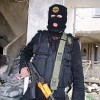
MIDEAST: Hamas’ Turn to Demolish Palestinian Homes
On Sunday approximately 150 Palestinians from 20 families were driven out of their homes in Rafah, in the southern Gaza strip, by heavily armed police and soldiers who menaced them with clubs.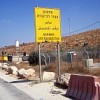
MIDEAST: US Funds Apartheid Roads on West Bank
The United States Agency for International Development (USAID) is helping Israel to construct an apartheid road infrastructure in the occupied Palestinian West Bank by financing nearly a quarter of the segregated road system primarily for the benefit of Israeli settlers.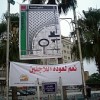
MIDEAST: Palestinian Economic Boycott Hits Israeli Settlers
Israeli settlers are beginning to feel the bite of an economic boycott campaign launched by the Palestinian Authority (PA) against goods produced in the illegal Israeli settlements dotting the occupied West Bank.
MIDEAST: Chomsky – Latest Jewish Thinker Savaged by Israel
When internationally renowned linguist, philosopher and political analyst Noam Chomsky was barred from entering the West Bank, he joined a chorus of Jewish intellectuals savaged by the Israeli government for outspoken criticism.
MIDEAST: Is Israel Sliding Towards a Police State?
Israeli nuclear whistle-blower Mordechai Vanunu has been sentenced to another three months imprisonment for allegedly refusing to perform community service in West Jerusalem.
MIDEAST: Israeli Settlers Step Up Attacks on Palestinian Mosques
"There is immense anger as well as a feeling of vulnerability and fear when a place of sanctuary and holiness is subject to indiscriminate violence," says Issa Hussein.MIDEAST: West Bankers Made Refugees in Their Own Country
Several Palestinians have set up a protest tent in no-man’s land in the northern Gaza Strip, near the Erez border crossing into Israel, as they protest their deportation from the Israeli occupied West Bank into Gaza where Hamas authorities have refused them entry.MIDEAST: Hope Amidst Grim Prospects for Peace
Proximity peace talks between Israelis and Palestinians, due to begin shortly after months of delay due to Israel’s continued settlement building on occupied Palestinian land, appear to have little chance of making a breakthrough.
MIDEAST: Egypt, Hamas Complicit in Israel’s Gaza Blockade
A convoy of boats laden with humanitarian goods and accompanied by hundreds of journalists, human rights activists and European parliamentarians, is due to challenge Israel’s naval blockade of Gaza at the end of May.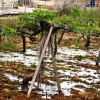
MIDEAST: Settler Sewage Ruins Palestinian Crops, Drinking Water
Residents of this Palestinian village refuse to buy the idea that the flood of raw sewage from the adjacent Israeli settlement of Kfar Etzion, that destroyed vineyards and contaminated their drinking water, was an accident.« Previous Page — Next Page »





The Week with IPS

NEXT STOP - SDGs
Tracking global progress towards a sustainable world
Tracking global progress towards a sustainable world
