Languages
Tuesday, October 6, 2026



News and Views from the Global South
Bangladesh Demands Climate Justice
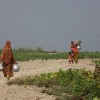
Mosammet Monwara walks more than three km every alternate day to fetch water for her family of five in a heavy earthen pitcher.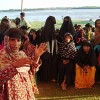
CLIMATE CHANGE: Bangladeshi Women on the Brink
Char Nongolia village is a basket case when it comes to climate change impacts such as increasing salinity, frequent cyclones, tidal surges, erratic rainfall and extended droughts.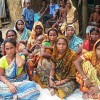
BANGLADESH: Reducing Poverty Hinges on Microcredit – Yunus
Reducing poverty in Bangladesh will depend critically on sustaining the successes of the country’s microcredit (MC) programmes, says Muhammad Yunus, the economist who shared the 2006 Nobel peace prize with his creation, Grameen Bank.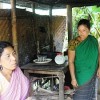
BANGLADESH: Tribal Women Take on Forest Ranger Roles
Jasinta Nokrek loves nothing better than to range through the dense Modhupur forest, the way her Garo tribal ancestors have always done.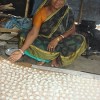
Bangladesh Offers Lessons in Microcredit Management
Phulo Rani Pal checks for loose dust around her open backyard kitchen. It’s time to prepare the sweets she supplies to vendors and it will not do for her products to be contaminated.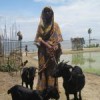
BANGLADESH: Women Raise Own Funds for Microfinance
Amidst despair and poverty, women in some remote villages of Bangladesh are raising money and lending it to each other through a unique microfinance programme launched by a local non-government organisation.
BANGLADESH: Ship Breakers Defy Court Ruling on Toxic Vessels
The ship breaking companies of Bangladesh continue to import highly toxic foreign vessels despite a two-year-old ban, and are also defying a court order to ensure workers’ safety and implement environmentally sound practices, a group of lawyers says.BANGLADESH: Women Defy Islamic Clergy
Bangladeshi women are pushing government to implement the recently approved National Women Development Policy (NWDP) 2011, which has met with strong resistance from Islamic clergy.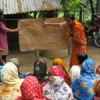
BANGLADESH: W.A.S.H. Keeps Communities Clean
One sunny afternoon, 19-year-old Sufia Aktar presides over a courtyard gathering of housewives discussing the use of safe water, a hygienic environment, and personal cleanliness. It is the last of such gatherings for Sufia, who will soon leave, knowing it was "mission accomplished."
BANGLADESH-LIBYA: Garment Industry Pledges to Employ Evacuated Labourers
Bangladesh's garment factories and overseas recruiting agencies have pledged to employ a substantial number of Bangladeshi expatriates returning from politically volatile Libya, following the violent crackdown on opposition forces by Muammar Gaddafi's regime there.
BANGLADESH: Women Find a Way Out of Poverty
Twenty-one years ago, Munni Akter and her husband Shafiuddin could hardly afford two meals a day.
HEALTH-BANGLADESH: Equity Key to Cutting Child Mortality
Poverty remains one of the problems of Bangladesh, but it has made, and continues to make, key progress when it comes to preventing deaths among its children.BANGLADESH: Solar Advocates See A Sunshine Nation
Good news may sometimes be hard to come by in this South Asian country, but for solar power advocates here, Bangladesh has been a sunshine nation for the last few years.
BANGLADESH: School’s In To Drive Poverty Out
Since her admission in January 2009 into Kurmitola government primary school in the Khilkhet district of capital Dhaka, 10- year-old Anju Aktar has never missed a day of class. In fact, Aktar’s mid-term report card shows that she is one of the school’s top students.
BANGLADESH: Dose of Vigilance Helps Manage HIV, AIDS
It is one of the poorest countries in the world, has a low literacy rate, and is next door to at least two countries that have a considerable portion of their respective populations with HIV and AIDS. Yet even having a large migrant population has not made Bangladesh a hot spot for HIV and AIDS.« Previous Page





The Week with IPS

NEXT STOP - SDGs
Tracking global progress towards a sustainable world
Tracking global progress towards a sustainable world
