Languages
Thursday, November 12, 2026



News and Views from the Global South
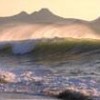
Brazil's Clean Energy Effort Rides Ocean Waves
Surfers are not the only ones who will be enjoying the massive power of the Atlantic Ocean's waves on the Brazilian coast. For the first time in the Americas, ocean waves are to be used to generate electricity -- enough for 200 families in Ceará state.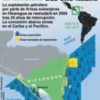
Advance of Oil Companies Alarms Indians
Foreign companies are restarting oil exploration in Nicaragua, a process that was interrupted in 1979. Indigenous communities along the Caribbean coast are worried about the potential for environmental damage.
Can We Afford to Wait for Hydrogen Energy?
This clean energy source is at the center of a new utopia, but it will take decades before hydrogen is consolidated as a true energy alternative.Weapons of Mass Destruction
The discovery on Feb. 2 of the toxin ricin in the mailroom at the offices of the U.S. Senate majority leader has reawakened fears about the scope of bioterrorism.Ecobreves – NICARAGUA: Better Forestry Practices
The World Wildlife Fund is promoting voluntary certification programs in Nicaragua for lumber processors and furniture factories committed to sustainable development of forests.Ecobreves – VENEZUELA: Stolen Flamingoes
Hundreds of pink flamingo (Phoenicopterus ruber) chicks -- perhaps as many as 1,500 -- have been stolen during the past few weeks from Los Olivitos Marsh wildlife refuge, near the Caribbean and Maracaibo Lake, in northwest Venezuela. The authorities were tipped off by anonymous reports.Ecobreves – HONDURAS: Ban on Building Near Dams
The Honduran Environmental Prosecutor and the Secretariat of Natural Resources are to issue a new regulation on Feb. 13 that bans construction near the dams and reservoirs that supply water to the capital.Ecobreves – CUBA: Wind Blows, Fields Watered
Cuba has introduced wind energy into its farm irrigation systems. This renewable energy source has long been used to pump water for most of the country's cattle and dairy farms.Ecobreves – CHILE: New Environmental Chief
Paulina Saball, a social worker with a background in urban development, was named by Chile's President Ricardo Lagos to head the National Environmental Commission (CONAMA) after the contentious resignation of her predecessor, Gianni López.Ecobreves – BRAZIL: Alert Against Bird Flu
The Brazilian government is preparing preventive measures against avian flu, a disease that has spread among birds in a dozen Asian countries, and is considered unlikely to reach this South American country.
'All children are obligated to be ecologists'
Quino, creator of Mafalda, one of the most famous cartoon characters in the world, spoke with Tierramérica during a recent visit to Milan.Pacific Corridor Soon More Than Just Words
Two years after being announced, an initiative is being finalized to protect five Latin American archipelagos in the Pacific.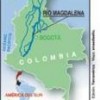
The Troubled Waters of the Magdalena
For the first time ever, there will be oil drilling along Colombia's nationally symbolic river, which is already suffering the effects of deforestation and contamination.
Can a Small Indigenous Community Be a Threat to a Nation?
The dispute between the Kichwa peoples of Sarayacu and the Ecuadorian government goes beyond petroleum exploitation: it challenges the notion of a united and homogeneous state.Controversy Surrounds 'Nano' Matter
Canadian scientists warn that a moratorium on nanotechnology could create a disparity much like the digital divide that separates rich countries from poor.Fight Against Slavery
2004 is the International Year to Commemorate the Struggle Against Slavery and its Abolition. A half-century since its international prohibition, new forms of slavery persist around the world today.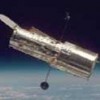
Ecobreves – UNITED STATES: Campaign to Save the Hubble
Scientists responsible for the Hubble space telescope are seeking a reversal of the decision by NASA (U.S. National Aeronautics and Space Administration) to cancel maintenance missions to prolong the useful life of the telescope-satellite by four to five years.Ecobreves – MEXICO: Dolphins Out of Place
The International Fund for Animals Welfare accused the Mexican authorities of dragging its feet in responding to reports of the import of 28 dolphins from the Salomon Islands and their shipment to an area where the introduction of non-native species is prohibited.Ecobreves – ARGENTINA: Attorneys for the Environment
The Argentine Network of Lawyers for the Defense of the Environment will begin operating in March to facilitate, promote and strengthen access to justice and the development of effective strategies in environment-related cases.Ecobreves – GUATEMALA: Protection for the Reefs
Environmental authorities from Guatemala and Belize installed a plant on the Sarstún River aimed at protecting the portion of the Mesoamerican Reef System (SAM) that corresponds to those two countries.Ecobreves – HONDURAS: Reforestation to Save Unique Ecosystem
Local residents and officials have begun planting 52,000 trees in order to save the ecosystem surrounding Lake Yojoa, a tourist destination and home to 10 percent of flora and fauna species found in Honduras.« Previous Page — Next Page »





The Week with IPS

NEXT STOP - SDGs
Tracking global progress towards a sustainable world
Tracking global progress towards a sustainable world
