Languages
Wednesday, October 28, 2026



News and Views from the Global South
World’s Poorest Nations Weighed Down by Fastest Growing Populations
With a new report projecting a rise in population, specifically in Asia and Africa, the United Nations has warned that continued rapid population growth presents enormous challenges for sustainable development in the world’s 134 developing nations.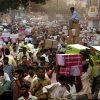
Rising Population Trends Threaten UN’s Development Goals in Asia & Africa
The world’s developing nations, currently fighting an uphill battle in their attempts to implement the UN’s Sustainable Development Goals (SDGs), are facing another stark demographic reality: a rise in world population by 2.0 billion people in the next 30 years: from 7.7 billion to 9.7 billion in 2050.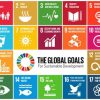
UN’s Development Goals Remain Largely Elusive
The United Nations, in a new report to be released next month, has warned “there is no escaping the fact that the global landscape for the implementation of the 17 Sustainable Development Goals (SDGs) has generally deteriorated since 2015, hindering the efforts of governments and other partners”
Asia-Pacific Region Falters on UN Development Goals
UN Deputy Secretary-General Amina Mohammed told a Chatham House meeting in London last week that the UN’s Millennium Development Goals (MDGs), one of the legacies of the late Secretary-General Kofi Annan, “spawned tremendous progress” in the battle against poverty worldwide.
World’s Displacement Crises Worsened by Lack of Funds, Political Will or Media Attention
The world’s 10 most under reported displacement crises— which have rendered millions of people homeless– have continued to worsen due either to political neglect, a shortage of funds or lack of media attention, according to a new report released by the Norwegian Refugee Council (NRC).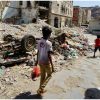
US “Emergency” Arms Sales to Mideast Nations Under Fire
When the UN Security Council met last week to discuss the deaths and devastation caused to civilians in ongoing military conflicts and civil wars, the killings in Yemen and the air attacks on hospitals, schools, mosques, and market places—whether deliberate or otherwise-- were singled out as the worst ever.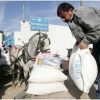
US Threats to Dismantle Palestinian Refugee Agency Trigger Protests
As it relentlessly pursues its strongly pro-Israeli policy – along with its disdain for multilateralism – the Trump administration continued to display its hostility towards the United Nations and its humanitarian agencies at a meeting of the UN Security Council focusing on the recent escalation of violence in Gaza.
UN’s Mandate to Protect Human Rights Takes Another Hit
The UN’s longstanding mandate to promote and protect human rights worldwide –- undermined recently by right-wing nationalist governments and authoritarian regimes – has taken another hit.
Do We Need a Global Convention of Common Principles for Building Peace?
When the Stockholm International Peace Research Institute (SIPRI) concluded a three-day forum on “Peace and Development” on May 16, the primary focus was the daunting challenges threatening global security, including growing military interventions, spreading humanitarian emergencies, forced migration, increasing civil wars, extreme weather conditions triggered by climate change and widespread poverty and conflict-related hunger.
Rise of Right-wing Nationalism Undermines Human Rights Worldwide
The rise of right-wing nationalism and the proliferation of authoritarian governments have undermined human rights in several countries in Europe, Asia, Africa, the Middle East and Latin America.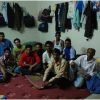
Are Migrant Workers Humans or Commodities?
The United Nations has estimated a hefty $466 billion as remittances from migrant workers worldwide in 2017—and perhaps even higher last year.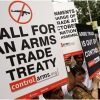
US Takes Back Signature on Arms Trade Treaty
The United States dropped a political bombshell when President Donald Trump announced his administration would withdraw from the historic Arms Trade Treaty (ATT) which the former Obama administration signed in September 2013.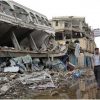
US & Western Arms in Yemen Conflict Signal Potential War Crime Charges
When US political leaders urged the Trump administration to either reduce or cut off arms supplies to Saudi Arabia – largely as a punishment for its indiscriminate bombings of civilians in the four-year old military conflict in Yemen—President Trump provided a predictable response: “If we don’t sell arms to Saudi Arabia, the Chinese and the Russians will.”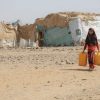
Trump’s Veto Will Trigger More US Arms to Kill Civilians in Yemen
President Donald Trump’s decision to veto a bi-partisan Congressional resolution to end US military involvement in a devastating Saudi-led four-year conflict in Yemen-- is expected to escalate the ongoing war in the trouble-plagued region.
Civil Society, Press Freedom & Human Rights Under Attack in Africa
The civic space in several African countries, including Tanzania, Burundi, Zambia, Sudan, Mozambique, Somalia and Eritrea, is gradually shrinking – and mostly under authoritarian leaders and repressive regimes.
Civil Society, Once the “World’s New Superpower,” is Battling Against Heavy Odds
A former UN Secretary-General, the late Kofi Annan, once described civil society organizations (CSOs), as “the world’s new superpower” – perhaps ranking behind the US and the former Soviet Union.
NGOs Blast US for Undermining Criminal Court
As it paves a destructive path against international institutions and multilateralism, the Trump administration is slowly but steadily undermining the United Nations and its affiliated agencies.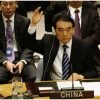
Is Republic of China Still a Permanent Member of the Security Council – Despite its Ouster in 1971?
The Republic of China (Taiwan) withdrew from the United Nations in protest when it was ousted from its highly-prized permanent seat in the UN Security Council (UNSC) about 48 years ago.
Women Activists Protest Torture & Imprisonment Under Repressive Regimes
Faced with an uneven battle against right wing nationalist governments, repressive regimes and extremist groups, scores of civil society organizations (CSOs) are gearing themselves to fight back.
Civil Society Organisations Under Attack by Rightwing Governments & Extremist Groups
The widespread political repression in countries such as the Philippines, Egypt and Saudi Arabia-- and rising right-wing nationalism in the US, Brazil, Italy, India, Poland and Hungary-- have increasingly triggered attacks on human rights and civil society organisations (CSOs).
Did a Backlash Against Trump Trigger Historic Highs for US Women in Politics?
The dramatic increase in women legislators voted into office last November and the historic high of women candidates for the 2020 presidential elections have visibly changed the male-dominated political landscape in the US.« Previous Page — Next Page »





The Week with IPS

NEXT STOP - SDGs
Tracking global progress towards a sustainable world
Tracking global progress towards a sustainable world
