Languages
Saturday, August 8, 2026



News and Views from the Global South
HONDURAS: Fragile Truce on Deforestation in Olancho
The unpunished assassinations of two environmentalists in the Honduran department of Olancho and the violations of a logging ban threaten a tenuous truce in this area convulsed by forest conflicts.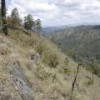
Fragile Truce on Deforestation of Olancho
Logging hasn't stopped in the Honduran department of Olancho, despite a partial ban decreed by the government in this environmental "red zone" of Mesoamerica.CORRUPTION-HONDURAS: A Murky Transparency Law
The "law on transparency and access to public information" in force in Honduras since January is in violation of international conventions on freedom of expression and against corruption, and creates loopholes for preventing the declassification of "reserved" or restricted information.CENTRAL AMERICA: Garifunas Set Sights on Ecotourism
The Garífuna communities along the Caribbean coast of Central America are placing their bets on ecological tourism as a means to escape poverty, which they say has been worsened by free trade policies.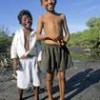
Garífunas Set Sights on Ecotourism
Communities of Afro-descendants along Central America's coasts condemn the privatization of beaches and demand inclusion in the benefits of the tourism industry.HONDURAS: Governed by Vested Interests
Traditionally powerful families and drug traffickers have enormous political influence in Honduras today, according to analysts.HONDURAS: A Violent Death Every Two Hours
Despite a recent all-out offensive on violent crime that involved the armed forces and targeted mainly slum neighbourhoods, the number of murders continues to rise in Honduras, which along with neighbouring El Salvador and Guatemala is among the countries in the world with the highest homicide rates per 100,000 population.CENTRAL AMERICA: Soaring Violent Crime Threatens Democracy
Soaring violent crime rates could jeopardise democracy in El Salvador, Guatemala and Honduras over the next few years if only strong-arm (‘mano dura') tactics are used to fight crime and the deeper underlying causes of the violence are not addressed, experts warn.HONDURAS: Social Conflicts Undermine Stability of “People Power”
Six months into President Manuel Zelaya's term in Honduras, approximately 144 agrarian, labour, environmental and indigenous disputes have been reported - social conflict that is eroding stability and further weakening the country's fragile institutions, warn analysts.CENTRAL AMERICA: Gold Fever Strikes Again
Untouched landscapes, attractive concessions and weak environmental legislation are driving transnational mining companies to seek new options for exploration and exploitation of gold in Central America.
Gold Fever Strikes Again in Central America
Multinational corporations are interested in developing more than 250 projects in the region. The affected communities are mobilizing and demanding their right to information.DEVELOPMENT: Troubled Waters Between Honduras and El Salvador
The construction of El Tigre dam on the Lempa River, which forms a border between Honduras and El Salvador, has unleashed a wave of contradictory opinions. Some claim there will be a loss of sovereignty over natural resources, while others say the resulting reservoir will prevent another war between the two countries, this time over water.Troubled Waters Between Honduras and El Salvador
Border communities oppose the proposed binational El Tigre dam, which would flood 72 square kilometers. But officials say the project would prevent future conflicts between the two Central American countries about water.ENVIRONMENT: Priest Proposes ‘March for Life’ Across Mesoamerica
Two years ago, logging groups allegedly offered to pay an assassin 40,000 dollars for the head of Salvadoran Catholic priest Andrés Tamayo, leader of an environmental campaign in the northeastern Honduran department of Olancho.
Priest Proposes 'March for Life' Across Mesoamerica
Roman Catholic priest Andrés Tamayo, winner of the Goldman Prize, popularly known as the environmental Nobel, said in a Tierramérica interview that he and his supporters are planning a region-wide demonstration to protect Central America's forests.HONDURAS: Mining Expansion Triggers Protests
The concession of environmental licenses to expand mining operations in Honduras has prompted local communities, environmental groups and municipal governments to take action against what they see as the weaknesses of the national Law on Mining.
Mining Sets Off Wave of Protest
Hondurans are mobilizing against several mining companies accused of causing harm against the environment and against human health.HONDURAS: Eco-Guerrilla ‘Poisons’ Local Environmental Movement
A month after it appeared in Honduras, mystery continues to surround an alleged pro-environment guerrilla group in the northeastern Honduran department of Olancho. Local activists say it is an attempt to discredit their fight to protect area forests.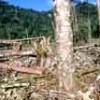
Olancho: A Land Where Forests Fall
Led by a Salvadoran Catholic priest, residents of Olancho, Honduras, reaffirm their conviction that they will fight to the end to save their forests from destruction.AGRICULTURE-HONDURAS: Organic Coffee Tasting Better All the Time
Indigenous coffee-growers in central Honduras adopted organic farming methods in 1999 to fight the effects of plummeting international coffee prices Four years on, they have staked a claim on the competitive global market and describe their experience as a "re-discovery of the earth".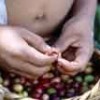
Organic Coffee Tasting Better All the Time
Coffee grown without the use of chemical inputs is giving the indigenous Lencas reason to be optimistic, as their organic harvest fetches higher prices in a depressed market. The aim is to cultivate crops "in harmony with nature."« Previous Page — Next Page »


The Week with IPS

NEXT STOP - SDGs
Tracking global progress towards a sustainable world
Tracking global progress towards a sustainable world
