
Tuesday, September 1, 2026



News and Views from the Global South
Women & Climate Change
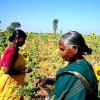
ENVIRONMENT-INDIA: Women Farmers Ready to Beat Climate Change
A collective of 5,000 women spread across 75 villages in this arid, interior part of southern India is now offering a chemical-free, non-irrigated, organic agriculture as one method of combating global warming.POLITICS: Obama Sets New Course at the U.N.
After nearly a decade of an often tense and estranged relationship with the United Nations, Washington appears to be taking a much more conciliatory and multilateral approach to the world body.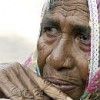
CLIMATE CHANGE: A Little Equality Could Save a Lot of Lives
When ministers and government officials meet at the end of this year for a critical U.N. climate change conference in Copenhagen, they should bear in mind that the mortality rate for women during climate-related natural disasters is an average of 14 times higher than for men.PHILIPPINES: 'Women Take the Brunt of Climate Change'
Filipina farmer Trinidad Domingo views the coming rice harvest season with trepidation. A typhoon destroyed much of her crop and Domingo estimates that her two-hectare plot will produce less than the usual 200 sacks of rice.INDIA: Forum Addresses Rural Energy Security
For poor rural women in India, access to energy connotes having the means to own a non-polluting stove and lantern that can help them cook, do household chores and earn a living. And yet even these basic needs are barely met - a majority of these women still spend much of their time and effort collecting firewood and cow dung for cooking and lighting.
TRANSPORT-SOUTH AFRICA: Culture Puts the Brakes on Women's Mobility
The bicycle has been hailed as having done "more than anything else in the world...to emancipate women" - the words of 19th century American feminist Susan B. Anthony. But for many women in South Africa, culture and tradition make it difficult to take advantage of the increased mobility and access to social and economic opportunities, not to mention the reduced carbon footprint, offered by bicycles.ENVIRONMENT: Women Demand Voice in Climate Debate
Calls for increased participation of women in policy-making decisions are on the rise as world leaders prepare to attend an international meeting on climate change to be held at U.N. headquarters next week.ENVIRONMENT: UN Skips Gender Perspective in Climate Change
When the United Nations concluded a two-day debate Thursday on the potential devastation from climate change, it covered a lot of territory: deforestation, desertification, greenhouse gases, renewable energy sources, biofuels and sustainable development.ENVIRONMENT: Women’s Expertise Key to Rolling Back Deserts
Empowering and investing in women is the key to combating the effects of desertification and paving the way for rural poverty alleviation in many of the world's least developed countries (LDCs), according to researchers, government policy-makers and United Nations experts.WORLD POPULATION DAY: Crowded Planet Feels the Heat
Consider the following statistics: at the beginning of the 20th century, the world population was less than two billion, but at the dawn of the 21st century, there were more than six billion people on earth.« Previous Page


For rural women in developing countries — the majority of the world’s farmers — global warming means harder work and diminishing returns. Drought, heat, floods, storms and forced migration disrupt harvest cycles and deny women and their families secure livelihoods. By improvising, organising and innovating, women are providing effective responses to the challenges imposed by climate change. They are at the forefront of sustainable farming, water harvesting, forest protection and the development of new skills and sources of income. Yet women from developing countries still play a minor role in the climate change debate. Why aren't their ideas, initiatives and experiences shaping national and international policy? This series of independent articles contributes to this discussion.

The Week with IPS

Tracking global progress towards a sustainable world
