
Tuesday, September 1, 2026



News and Views from the Global South
Women & Climate Change
U.N. Climate Body Urged to Take Lead in Gender Focus
Two weeks before the 2010 Millennium Development Goals (MDGs) review summit at the United Nations, concerns are being raised that gender equality is still largely divorced from efforts to address climate change, even though women have a critical role to play in solving - and are often most affected by – the problem.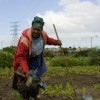
SOUTH AFRICA: Climate Change Policy Ignores Women Farmers
When asked if they have already felt the effects of climate change, Mary-Anne Zimri and Katrina Scheepers eagerly nod their heads. The two small-scale farmers say lack of rain this winter has foiled their planting season, ruined their harvest – and drastically slashed their income.
Q&A: “Incomprehensible” Absence of Women in Global Environment Policy
There is a vacuum in the various texts that currently regulate global policy against climate change: specific mention of the effects of global warming on women and of the role women can play in protecting the environment.
WORLD: North Should Pay South Reparations for Climate Change
The North should pay reparations to the South for the effects of climate change.CLIMATE CHANGE: The U.N.’s Boys’ Club
U.N. Secretary-General Ban Ki-moon's decision to appoint a 19-member, all-male high-level advisory group on Climate Change Financing (CCF) has triggered strong protests from women's groups and non-governmental organisations (NGOs) outraged by the composition of the panel.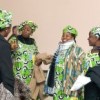
RIGHTS: “Famine Marriages” Just One Byproduct of Climate Change
The negative fallout from climate change is having a devastatingly lopsided impact on women compared to men, from higher death rates during natural disasters to heavier household and care burdens.MEXICO: Ecological Smoke from Fuel Efficient Stoves
The lives of many rural women and children in Mexico are changing, and the country's high deforestation rate could be reduced, as inexpensive fuel-efficient cook stoves are being distributed by non-governmental organisations with corporate and government support.
DEVELOPMENT: Yemen to Lead South in U.N. Negotiations
The republic of Yemen, categorised by the United Nations as one of the world's "least developed countries" (LDCs), will lead the largest single coalition of developing nations this year: the 130-member Group of 77 (G77).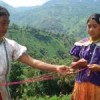
CLIMATE CHANGE: Latin American Women Want Modified Trade Rules
"We don't need to change the climate, we need to change trade," said Brazilian activist Marta Lago at Klimaforum, the civil society meeting held in parallel with the climate change summit in the Danish capital.
Q&A: Gender Missing in Climate Agreements
Women are known to be innovators when it comes to responding to climate change. The question is how to ensure that the role of women and gender equality are reflected in climate change agreements.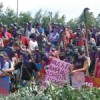
ENVIRONMENT: Tree Plantations Are Not Forests, Women Activists Say
Touted as "harvested forests," single-crop tree plantations are fast encroaching on the native forests and grasslands of Argentina, Brazil and Uruguay, affecting the environment and the lives of local communities, rural women say.
CLIMATE CHANGE: Women Central to Adaptation, Mitigation
Poor women will bear the greatest ‘climate burden’, says the United Nations Population Fund in its 2009 State of the World Population report, released today.DEVELOPMENT: UNFPA Puts Human Face on Climate Blowback
A new U.N. report on the hazards of climate change brings a fresh human perspective to an ongoing wide-ranging debate that has focused primarily on energy efficiency and industrial carbon emissions.
Q&A: Women Should Be More Than Window Dressing
Women in developing countries are among the most vulnerable to the effects of crisis - be that climate change, food price hikes, the HIV/AIDS pandemic or the global recession. It is becoming more commonplace to hear women's testimony, but are women's voices heard when it comes to deciding on solutions?CLIMATE CHANGE-BOLIVIA: Climbing a ‘Dead’ Glacier
The rapid disappearance of glaciers and the subsequent exhaustion of water sources are pushing indigenous communities in the Bolivian highlands even further into poverty, Bolivian experts told IPS, adding that an increase in awareness about climate change is desperately needed.Warning: getimagesize() expects parameter 1 to be string, object given in /chroot/home/gssn/ipsnews.net/html/wp-content/themes/ipsnews/functions.php on line 1100
Warning: basename() expects parameter 1 to be string, object given in /chroot/home/gssn/ipsnews.net/html/wp-content/themes/ipsnews/functions.php on line 1102
DEVELOPMENT: ‘Gender Is No Distraction in Climate Change Talks’
As the countdown to the Copenhagen Climate Change Summit draws to a close, gender and climate change advocates are doubling their efforts to make sure that 23 gender-related paragraphs in the negotiating text will make it to the new treaty that will be hammered out in December.DEVELOPMENT: Gender Advocates Keep a Close Eye on Climate Talks
After nine months of a rollercoaster ride pushing for a gender perspective on climate change, advocates are finally beginning to reap the fruits of their labour.ENVIRONMENT: Women on Front Lines of Climate Week
Women's voices remain highly underrepresented in the climate change debate, say international civil society leaders attending events taking place around the United Nations Climate Summit Tuesday.POPULATION: Where’s Family Planning on Climate Change Radar?
Are climate change and reproductive health two disparate subjects?CLIMATE CHANGE: Rising Seas Demand Better Family Planning
A rising population and climate change need to be considered together in an integrated policy, experts demanded at a forum on sexual and reproductive health and development held in Berlin Sep. 2-4.ICELAND: Taking the First Turn Left
Iceland's Social Democratic Alliance and the Left-Green Party won the majority of the seats in the Apr. 25 election, and will continue to work together for the next four years as the ruling coalition.« Previous Page — Next Page »


For rural women in developing countries — the majority of the world’s farmers — global warming means harder work and diminishing returns. Drought, heat, floods, storms and forced migration disrupt harvest cycles and deny women and their families secure livelihoods. By improvising, organising and innovating, women are providing effective responses to the challenges imposed by climate change. They are at the forefront of sustainable farming, water harvesting, forest protection and the development of new skills and sources of income. Yet women from developing countries still play a minor role in the climate change debate. Why aren't their ideas, initiatives and experiences shaping national and international policy? This series of independent articles contributes to this discussion.

The Week with IPS

Tracking global progress towards a sustainable world
