
Tuesday, September 22, 2026



News and Views from the Global South
Civilisations Find Alliances
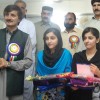
Schoolgirls Beat Taliban
Far from fears that female education is on the decline after the Taliban campaign against girls’ schools, female students outclassed their male counterparts in the secondary school examination for 2012.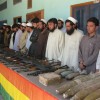
From Arms to Alms
Most families of Taliban men killed in fighting against the army in Pakistan or in Afghanistan have been reduced to living in abject poverty.
To Aid Afghanistan, Offer Less Aid
It is customary to focus on the amount of money the international community offers Afghanistan: the higher the sum and the longer the commitment, the lower the risk of further destabilisation. And so the 16 billion dollars pledged by the donors for the next four years at the Tokyo conference earlier this month has been widely welcomed. But such aid may not be quite the virtue it seems.
New Afghanistan Aid Policy Turns Away from U.S. Model
For the first time, international donors gathered in Tokyo over the weekend explicitly tied ongoing financial aid for Afghanistan to progress made in the country’s economy and governance.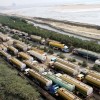
Truckers Celebrate NATO Resumption
“I’m happy that I will be resuming work soon,” says Zarbistan Khan, who owns and drives a tanker that takes oil from the southern port city Karachi to Afghanistan. But the joy comes under the shadow of a Taliban threat to attack supply convoys.PAKISTAN: Girls Defuse This Taliban Bomb
Suicide bombing is down, bomb attacks are fewer, but the Taliban are keeping up attacks on girls’ schools. In retaliation, a growing number of girls are going for school education – without school buildings.« Previous Page


The United Nations Alliance of Civilisations (www.unaoc.org) has taken an essential step ahead of the earlier dialogue of civilisations: it recognises the need to act together rather than just talk, to take the world past conflict - some of it real, but much of it perceived. Far too much discourse places "civilisations" into opposed categories and labels them with ill-informed attributes. These lazy stickers will not be removed by weapons and arguments but through communication, with initiatives such as the Joint Rapid Response Media Mechanism (www.theglobalexperts.org), a panel of media experts who can guide facts past dangerous distortion. Here IPS takes its readers past standard prejudices to present the facts behind myths.

The Week with IPS

Tracking global progress towards a sustainable world
