Languages
Saturday, October 17, 2026



News and Views from the Global South
Global Governance
A Potential New Battle: UN vs US over Greenland and the Panama Canal
US President Donald Trump’s ominous threat to take over the Panama Canal and Greenland sets the stage for a new political battle with the United Nations. But judging by UN’s track record of failures—including the US invasion of Iraq in 2003, and the 2022 Russian invasion of Ukraine --- the world body may lose again while battling a veto-wielding superpower.
Mozambique: Two Presidents, One Divided Nation
No illusions: Mozambique remains in crisis, despite the inauguration of Daniel Chapo as president and the establishment of a new parliament. While the widespread allegations of massive electoral fraud during the elections on 9 October 2024 were the immediate trigger for the unrest, the protests revealed deeply entrenched socio-economic and political grievances.
Gaza Humanitarian Aid: How a Lack of Political Will Sabotaged Resolution 2720
Before the three-phased ceasefire deal—proposed by President Joe Biden and dragged over the finish line by the then-incoming Donald Trump administration—silenced the bombs and drones over Gaza and allowed for humanitarian aid to flow into the strip, there was United Nations Security Council Resolution 2720.
Genocide 2.0—Trump’s Plan for Cleansing Gaza
Either the new US President, Mr. Trump, is ignorant of international law or thinks he’s so brilliant that he doesn’t care about it. Either way, he seems to have stumbled into proposing an extension of Israeli Prime Minister Netanyahu’s clearly documented crime of genocide by suggesting that somebody “clear out” the people in Gaza, in effect advocating the ethnic cleansing of the territory.
Can We Still Solve Climate Change?
When it comes to climate change, the awful news has been coming thick and fast. We now know that in 2024, the Earth’s average temperature exceeded 1.5°C above pre-industrial levels for the first time.
UN Faces Backlash from a Hostile White House
The Trump administration which regained the White House last week after a four-year hiatus, has come down heavily on thousands of illegal immigrants and hundreds of perceived enemies-- triggering a rash of executive orders on military and federal agencies But in the ensuing political chaos, Trump has not spared the United Nations either.
Longing for EU
Good news! For two years now every single UK poll has shown a majority now want to return to the EU. Of course they do, since every reliable source shows the continuing damage done by Brexit in almost every sphere. Those promised ‘Brexit benefits’ are nowhere to be seen.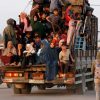
A Lasting Peace Between Israelis and Palestinians
Following the long-sought cease-fire agreement between Israel and Hamas, the major challenge for the Israelis and the stateless Palestinians is how to achieve a lasting peace that will end the disastrous cycle of death, destruction, displacement and despair.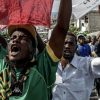
The “Fierce Urgency of Now”– to Reverse Course in Haiti
As we commemorated Dr. Martin Luther King Jr.’s Day on January 20, 2025—a day that also marked America welcoming its newly elected president—we honor the legacy of this civil rights leader by reflecting on his powerful words: “We are confronted with the fierce urgency of now.”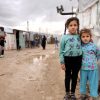
Report Exposes Silent Global Emergency as More Crises-Affected Children Need Urgent Education Support
A report released today on the International Day of Education sounds alarm as the number of school-aged children in crisis worldwide requiring urgent support to access quality education reaches a staggering 234 million—an estimated increase of 35 million over the past three years fueled by intensifying armed conflict, forced displacements, more frequent and severe weather and climatic events, and other crises.
How Artificial Intelligence Will Affect Asia’s Economies
Asia-Pacific’s economies are likely to experience labor market shifts because of artificial intelligence (AI), with advanced economies being affected more. About half of all jobs in the region’s advanced economies are exposed to AI, compared to only about a quarter in emerging market and developing economies.
Fallen Black South African Soldiers From World War I Finally Remembered
It was a solemn ceremony on a bright sunny day on the southern tip of Africa, in Cape Town’s company gardens, amid the grass wooden structures that stand out. The 1,700 carefully constructed brown wooden carvings are standing in a line. These structures represent a new Commonwealth War Graves Commission (CWGC) memorial, which honors the contribution of the hundreds of Black South African military laborers of the First World War. The CWGC remembers the fallen soldiers of both World Wars equally with this first permanent redress tribute.
Let the Kite Fly High
The global plastics negotiation process, launched in 2022 under a resolution by the UN Environment Assembly, represents an unprecedented effort to combat the escalating plastic pollution crisis.
The First Phase of Israel-Palestine Ceasefire Begins
On January 15, 2025, the long-awaited ceasefire proposal between Israel and Hamas was approved, bringing the first bout of relief for the people of the Gaza Strip after 15 months of conflict. This has allowed for the exchange of prisoners and hostages between the two nations as well as a greater flow of humanitarian aid to be directed to Gaza. Although this only accounts for the first phase out of the three phase plan, it is uncertain if Israel will continue to uphold the negotiations of a truce after the first phase is completed.
Rethinking Africa’s Debt: Debunking Myths and Identifying Sustainable Solutions
To achieve the Sustainable Development Goals (SDGs) and Agenda 2063 aspirations, Africa requires an additional $1.3 - 1.6 trillion in financing.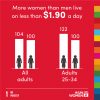
A World Where Rich Get Richer, Poor Get Poorer — and Billionaires Rise
Perhaps one of the UN's most ambitious and longstanding projects – the launching of 17 Sustainable Development Goals (SDGs)-- is aimed, among other things, at helping developing nations eradicate extreme poverty by 2030. But that elusive goal has made little or no significant progress.
Journalists Behind Bars: China, Israel & Myanmar the Worst Offenders in 2024
The year 2024 has been one of the most devastating for journalists covering conflicts worldwide-- with 361 behind bars, the second highest since the global record of 370 imprisoned back in 2023.
Trillions in Dirty Money: How Hidden Loopholes Fuel Corruption and Inequality
It is no longer a secret that at major global summits there are more lobbyists than official delegates. There, they participate as ‘guests,’ and most of them work for big business corporations. Their goal? To deter the adoption of policies that conflict with their employers’ interests.
UN Claims to Strengthen Battle Against Racism in Workplace—Amid Reservations
As the United Nations plans to commemorate its 80th anniversary later this year, it is “reflecting on the steps taken to advance implementation of the Secretary-General’s Strategic Action Plan for addressing racism in the UN Secretariat. The UN’s Anti-Racism Office, which was created in 2023, has hosted several online events that reached over 13,500 participants and generated 2,000 comments, and welcomed 2,700 visitors to its iSeek page (accessible only by staffers)—possibly a reflection of the rising complaints and concerns of UN staffers.
How US Media Hide Truths About the Gaza War
A few days before the end of 2024, the independent magazine +972 reported that “Israeli army forces stormed the Kamal Adwan Hospital compound in Beit Lahiya, culminating a nearly week-long siege of the last functioning hospital in northern Gaza.”
The Challenges Facing the World’s Fifth Largest Economy
India has surged forward as the world's fifth-largest economy and has now surpassed China to claim the title of the most populous nation. However, this rapid ascent is not without its challenges; rising unemployment and inflation loom large, threatening demographic dividend and its ambitious goal of sustaining a 7 to 8% GDP growth.« Previous Page — Next Page »





The Week with IPS

NEXT STOP - SDGs
Tracking global progress towards a sustainable world
Tracking global progress towards a sustainable world
