Languages
Wednesday, November 11, 2026



News and Views from the Global South
Global Governance

Debt & Crisis of Survival in Sri Lanka & the World
Sri Lanka has been faced with an unprecedented political and economic crisis since the beginning of 2022. The dominant narrative attributes the crisis to the confluence of the COVID-19 pandemic, the Ukraine conflict, China’s ‘debt trap diplomacy’ and – most importantly – the corruption and mismanagement of the ruling Rajapaksa family.
A Plea for a UN Summit on the Global Food Crisis
A coalition of civil society organizations, (CSOs), including climate activists, anti-poverty campaigners and celebrity chefs, are among those calling for an emergency meeting of world leaders on the global food crisis during the UN General Assembly (UNGA) sessions in New York next month.
World Bank Freezes Loans to Uganda Because of Anti-Gay Laws, but it Doesn’t Mean it’s Becoming a Human Rights Watchdog
Many people may be tempted to view the World Bank’s recent announcement that it will freeze new loans to Uganda because of the country’s vicious anti-LGBTIQ+ law as a harbinger of the Bank taking a more progressive approach to human rights issues.
UN Must Reclaim Multilateral Governance from Pretenders
International governance arrangements are in trouble. Condemned as ‘dysfunctional’ by some, multilateral agreements have been discarded or ignored by the powerful except when useful to protect their interests or provide legitimacy.
Unlocking Africa’s Potential: Strengthening Partnerships for Sustainable Progress
At this year’s G7 summit in Japan, global leaders emphasized the importance of unity as the world navigates grave threats to multilateralism. The message was clear - trusted global platforms for dialogue and solutions are extremely crucial in current times.
UN’s Annual Culture of Peace Forum Remains Derailed– & Civil Society Bypassed
14 June has become a black day for the UN High Forum on The Culture of Peace (HLF-CoP) convened by the successive Presidents of the UN General Assembly since 2012.
20 Years Since the Canal Hotel Bombing: Protecting the People who Protect the World
This World Humanitarian Day on 19 August, we marked 20 years since 22 of our colleagues were killed and more than 100 injured when a suicide bomber detonated a truck full of explosives outside the Canal Hotel in Baghdad, the United Nations headquarters in Iraq. This devastating blow to the UN sent shockwaves across the humanitarian community.
Can Netanyahu Rise to The Unparalleled Historic Occasion & Normalize Israeli-Saudi Relations?
The prospect of normalization of relations between Israel and Saudi Arabia will have enormous implications on Israel and the entire region. Since it will certainly take a personal sacrifice to put Israel’s national interests first, the question is, will Prime Minister Netanyahu muster the courage to do what’s best for the country
Fragility & Poverty in Sub-Saharan Africa: Two Sides of the Same Coin
In 1990, about half of the population in Sub-Saharan Africa and South Asia and two-thirds in East Asia and the Pacific were living in extreme poverty (defined as living on less than what today amounts to around $2.15 per person per day).
Artificial Intelligence Faces Charges of Left-Wing Political Bias
The artificial intelligence (AI) platform ChatGPT, whose negative consequences include misinformation, is facing new charges of political bias. According to a study by the University of East Anglia (UEA), released August 17, AI ChatGPT shows “a significant and systemic left-wing bias”.
Reintegration Assistance for Migrants Going Home
Reintegration assistance for migrants returning to their countries of origin is becoming increasingly salient. Germany and the EU cooperate closely with countries of origin to support local reintegration.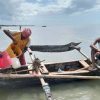
A Common African Approach to Environmental Challenges, Now & for the Future
There has never been a time in human history when collaboration between nations was more sorely needed than now, and there is no place that would benefit more from it than in Africa.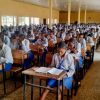
Nigeria to Expand Education Access Through a Student Loan Scheme
Wisdom Ajah, an 18-year-old senior secondary school graduate living in Karshi, a satellite town in Nigeria’s Federal Capital Territory, dreams of a university education that will secure him a good job after graduation and help support his family. But it is a distant dream considering how many obstacles he has faced trying to acquire a secondary school certificate.
Social Activists Demand Real Equality for Chilean Women
Women social activists recognize that gender equality is gaining ground in Chile, but maintain that there is still a long way to go to turn into reality the promises to "level the playing field" between women and men, while they highlight the importance of addressing the issue of care work.
Let’s Shape Tech to be Transformative & Meet Every Child’s Learning Needs
Did you know that the power of computers has been doubling roughly every two years since the 1960s? Every day it seems there’s a new app or piece of tech that unlocks new and efficient ways to do things; to better engage with the world, or with learning.
Russia Upstages Neo-Colonialist France in West Africa
Going back to the 16th century and continuing through the late 1960s, France was described as the world’s second largest colonial power—just behind the British Empire. As the old saying goes: The sun would never set over the British Empire because God wouldn’t trust an Englishman in the dark. But would that also apply to the French colonial empire?
Requiem for the UN Security Council: Towards a UN Charter Review Conference
The world’s institutions are ill-prepared and poorly designed to effectively address global challenges such as major power conflicts, pandemics, the climate catastrophe, refugee crises, violent extremism, illicit profiteering from natural resources, and the regulation of artificial intelligence systems.
SDG Data Insights: Beyond Our Assumptions
The Sustainable Development Goals (SDGs) are relevant to all countries, whether high, middle or low income. With increasing attention to the SDGs, countries are progressively turning to data as a source to assess and validate the progress that they have made towards achieving them.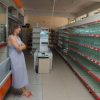
Blockade in Nagorno-Karabakh: When Bread and Sanitary Pads Become Luxury Items
Tatev Azizyan, a 28-year-old journalist from Nagorno-Karabakh, says she has explained to her child that they both have to switch to “energy save mode” to survive.
A Flawed GDP Bypasses Women’s Unpaid Care Work
Last week the IMF offered a cautious estimate of positive global economic growth for this year, warning ‘we are on track, but not out of the woods’. But with the IMF and governments continuing to use gross domestic product (GDP) as the dominant measure of economic progress, a more appropriate warning might be that ‘we’ are failing to see the wood for the trees.
From Crisis to Resilience: We Need a New Recipe to Combat Hunger
The fragile state of global food systems has reached a crossroads. Recent headlines underscore the profound challenges we now confront.« Previous Page — Next Page »





The Week with IPS

NEXT STOP - SDGs
Tracking global progress towards a sustainable world
Tracking global progress towards a sustainable world
