Languages
Monday, November 16, 2026



News and Views from the Global South
Health

IPS Webinar: Gender Equality Crucial in ‘Building Back Better’ Post-COVID-19
While men are more likely to die from COVID-19, women are facing the full blow of the socio-economic fallout from the ongoing pandemic as well as seeing a reversal in equality gains made over the last two decades, says an all-women panel of international thought leaders, who met virtually during a discussion convened by IPS.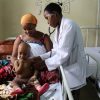
Coronavirus Shows the Dangers of Letting Market Forces Govern Health and Social Care
In March, 10,000 NHS staff signed a letter to UK prime minister Boris Johnson demanding better protection against COVID-19. Nurses and doctors wanted to treat patients without fear of infecting them and to minimise their own risk of falling ill. But they lacked the proper protective equipment.
Q&A: Understanding COVID-19’s Impact on Food Security and Nutrition
While it is too early to assess the full impact of the global COVID-19 lockdowns, at least 83 million to 132 million more people may go hungry this year -- 690 million people were classified as hungry in 2019 -- as the pandemic has highlighted the vulnerabilities and inadequacies of global food systems.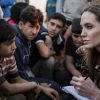
UNESCO, UNHCR & EDUCATION CANNOT WAIT Call for the Inclusion of Refugees in the Post-Covid-19 Education Effort
We must not leave young refugees by the wayside, urged UNESCO, the Office of the United Nations High Commissioner for Refugees (UNHCR) and Education Cannot Wait as they urged more support in favour of young refugees’ education during an online debate today, moderated by UNHCR Special Envoy Angelina Jolie, on how best to provide them with improved learning during and after the pandemic.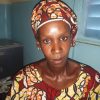
How Senegal is Providing Reproductive Health Services to those Who can Least Afford it
Pregnant with her second child, 30-year-old Ndiabou Niang was enduring pelvic pain, but couldn’t afford to access prenatal care in Diabe Salla, a village on the outskirts of the small town of Thilogne in north-east Senegal. Her husband was unemployed and her earnings of under CFAF 10,000 (17 USD) from selling seasonal fruits in the local market were insufficient to make ends meet.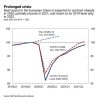
Toward a More Resilient Europe
Europe, like the rest of the world, faces an extended crisis. An element of social distancing—mandatory or voluntary—will be with us for as long as this pandemic persists. This, coupled with continued supply chain disruptions and other problems, is prolonging an already difficult situation. Based on updated IMF projections released last month, we now expect real GDP in the EU to contract by 9.3 percent in 2020 and then grow by 5.7 percent in 2021, returning to its 2019 level only in 2022. If an effective treatment or vaccine for COVID 19 is found, the recovery could be faster—but the opposite would hold true if there are large new waves of infection.
Heifer Nepal Farmers Persevere During COVID-19 Pandemic
For nearly three months, the government of Nepal implemented a strict lockdown to combat the spread of COVID-19. And while it slowed the spread of the virus, it also put a tremendous economic burden on many families nationwide. As of June 15, the country transitioned to a “soft lockdown,” easing some restrictions such as allowing private vehicles to operate on an odd/even-day scheme. But the economic effect is already being seen.
Women and Girls with Disabilities: Planning for Periods During a Pandemic
The Coronavirus pandemic and the resulting lockdown has intensified most inequities in society- specifically those that affect vulnerable communities, including persons with disabilities, particularly young girls. As an aftermath of recent media attention, many government organizations, nonprofits and philanthropies have come together to ensure girls and women in remote communities have access to menstrual care products.
COVID-19 & Why We Care
Among the many compelling points made by Dr. Anthony Fauci in our “Rethinking Health” webinar this week was the absolute essentiality of global collaboration and transparency to contain the pandemic with which we are faced.Covid-19 And Migrant Workers: Planning the return and reintegration of forced returnees
During the pandemic, forced return of migrants has become a major issue of concern for intergovernmental bodies and the global civil society engaged in migration issues. The United Nations Network on Migration (UNNM) has urged states "to suspend forced returns during the pandemic, in order to protect the health of migrants and communities, and uphold the human rights of all migrants, regardless of status". UNNM has called for a halt to arbitrary expulsions and reiterated that their "protection needs must be individually assessed; and that the rule of law and due process must be observed". It reminded the states that these obligations under international law "can never be put on hold and are vital to any successful approach to combatting Covid-19 for the benefit of all".
Teleworking Is Not Working for the Poor, the Young and the Women
The COVID-19 pandemic is devastating labor markets across the world. Tens of millions of workers lost their jobs, millions more out of the labor force altogether, and many occupations face an uncertain future. Social distancing measures threaten jobs requiring physical presence at the workplace or face-to-face interactions. Those unable to work remotely, unless deemed essential, face a significantly higher risk of reductions in hours or pay, temporary furloughs, or permanent layoffs. What types of jobs and workers are most at risk? Not surprisingly, the costs have fallen most heavily on those who are least able to bear them: the poor and the young in the lowest-paid jobs.
How We Can Ensure the Safety of Our Health Workers
Recently, Barcelona's Liceu opera opened its 2020-2021 season by serenading a full house of plants with classical music. The plants will then be given to over 2,200 health workers who serve at the frontlines to battle the pandemic. The performance was both an appreciation for the workers and it also celebrated the return to normalcy following the devastations caused by COVID-19.
The Quiet Survivors of a Global Pandemic
The issue of women’s rights, feminism and gender is complex and ongoing in most countries including Bangladesh. When I was asked to write about impact of COVID-19 on women and girls, I found myself drawn towards writing about women’s situation in general as that automatically impacts COVID-19 response as well. Since I am a woman who has been a part of many different cultures, yet a Bangali at heart, I am not only a survivor within its ranks but also responsible for being a part of the solution to the problems we face.
“Population Density Linked to COVID-19 Spread in India”
Indian health experts say the findings of a US study — which suggest that population density is unrelated to COVID-19 infection rates — to be completely contradictory to their experience of dealing with the pandemic in India, a country with 1.3 billion people.
UN Chief Warns of Deadly Germs as Potential Bioterrorist Weapons
The coronavirus—which has claimed the lives of over 538,000 people and infected more than 11.6 million worldwide—has destabilized virtually every facet of human life ever since its outbreak in late December.
Building Back Greener in Africa
COVID-19 continues to race across the African continent. People are dying, and even more are being pushed into hunger and poverty, in many cases risking to overturn years of development gains.
Innovative Financial Approaches Key to Unleash SIDS Economic Potential
Our world is transfixed by the great human toll and economic impact of the worst global pandemic in a century. For the 65 million inhabitants of small island developing states (SIDS), the impact of the novel coronavirus (COVID-19) is reminiscent of the worst forms of extreme weather events that SIDS contend with annually. Such events cost lives, undermine our hard-earned development gains, and hamper the aspirations and quality of life of our people. Our governments are routinely compelled to shift already scarce resources from social and economic investments to recovery and sustenance in the aftermath of disasters. For decades islands have been treading a development tightrope, which is increasingly precarious with the intensification of adverse climate impacts.
Non-formal Education Helps Senegalese Women Combat FGM and Harmful Practices
Growing up in Senegal’s southern Casamence region — a conflict zone — Fatou Ndiaye, now 43, often heard gunfire and watched fearfully as she saw people flee their villages. But what she dreaded more than a flying bullet was Female Genital Mutilation (FGM).
Donald Trump, Working Class Hero?
In his early February annual State of the Union address, US President Donald Trump typically hailed his own policies for increasing wages and jobs to achieve record low US unemployment. Directly appealing to labour for a second term, Trump claimed exclusive credit for the US “blue-collar boom”.
Impact of COVID-19 on Women and Children in South Asia
The onset of the coronavirus pandemic in early 2020 set off a series of health and economic crises that feed upon each other. The health crisis exacerbates the economic crisis by disrupting supply chains, throwing large number of people (particularly those working in the informal sector) out of work and closing down large numbers of enterprises – particularly micro, small and medium enterprises (MSME).
A Pathway to Universal Healthcare in India
Universal healthcare (UHC) is an important global goal because of its close links to poverty reduction and enhancement of the growth potential of countries. While several countries can now be said to be well on their way towards achieving this goal, several others, most notably large ones such as India and Nigeria, are decidedly not.« Previous Page — Next Page »


 Bangladesh: Sarid, born one month early, receives specialized newborn care and grows stronger every day. Credit: UNICEF/UNI944397/Mojumder
Since the onset of the 2000s, global life expectancy has seen an overall rise, attributed to significant technological and scientific innovations in healthcare. Due to an increased understanding of different conditions as well as a rise in cooperation among healthcare experts around the world, there have been major strides made in ensuring that as few people die from chronic illnesses as possible. Despite the belief that healthcare is a fundamental human right, people from low- or middle-class backgrounds, marginalized groups, and underdeveloped countries have far more limited access to basic healthcare services.
The COVID-19 pandemic showed how marginalized communities are disproportionately affected by health crises, proving that we have much work to do in ensuring that no one dies of terminal conditions. While the global response to the coronavirus saw significant strides in immunization and vaccine development, the global outbreak of mpox in 2022 and its upsurge in parts of Africa in 2024 must remind us to remain vigilant.
Other major disease outbreaks in recent years have been linked to the destruction of infrastructure during warfare. Notably, in 2024, the Gaza Strip witnessed a return of the poliovirus since its eradication in the region 25 years ago. Israel’s blockade on Gaza has resulted in the collapse of the region’s sewage plants and desalination plants, and also destroyed healthcare capacities. The UN stated that this lack of clean water and sanitation would lead to an outbreak of cholera and other deadly infectious diseases. The 2026 OCHA Humanitarian Situation Report confirmed that the over two years of conflict in Gaza has produced a catastrophic health emergency, with millions remaining dependent on relief aid amid tight restrictions and no functioning public health system.
IPS is committed to providing full and comprehensive coverage on healthcare challenges around the world. IPS seeks to address the multifaceted causes of such challenges, including unprecedented pandemics, conflict-driven disease outbreaks, as well as socioeconomic barriers to equal healthcare access. IPS is also dedicated to reporting on innovations in the healthcare industry.

The Week with IPS

NEXT STOP - SDGs
Tracking global progress towards a sustainable world
Tracking global progress towards a sustainable world
