Languages
Wednesday, November 11, 2026



News and Views from the Global South

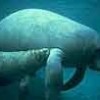
Mermaids
The manatee and the dugong are strange-looking sea animals belonging to the same natural order: sirenids. They have existed on Earth for millions of years, but their future is quite gloomy.Ecobreves – ARGENTINA: More and More Bicycles
Bicycle use in the Argentine capital rose 51 percent in the last year as a result of the country's profound economic crisis, according to a study by the Association of Bicycle Riders.Ecobreves – MEXICO: War against Red Tide
- The Metropolitan Autonomous University of Mexico is ready to study the micro-algae that cause "red tide", an unpredictable phenomenon that causes fish kills and can make people ill who consume seafood coming from affected areas.Ecobreves – PERU: Climate in the Past
Scientists at the University of Piura, a northwestern department of Peru, are studying the climate conditions of the past using the rings in the cross sections of trees found in the regions arid forests.
Navigating through the Jungle
The birth of a quetzal or a weasel's surprise attack on a nest in Costa Rica's cloud forest is now within the reach of the world's Internet users as part of a project aimed at conserving this unique ecosystem.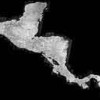
Meso-America
The Meso-American Biological Corridor that extends across the countries of Central America and southern Mexico is an important project for the future of the planet. It seeks to halt the environmental degradation of a region that is home to eight percent of all known species.Ecobreves – BRAZIL Forest Grows in Dump
A forest is growing in the midst of a 300,000-square meter plot that until 1995 accumulated 16 million tons of garbage in the Santo Amaro district in the southern part of the Brazilian city of Sao Paulo.Ecobreves – CHILE: No to Radioactive Waste
Greenpeace-Chile and other environmental organizations demonstrated outside the Japanese embassy in Santiago against the upcoming passage through Chilean waters of a Japanese ship carrying radioactive fuel to Great Britain.Ecobreves – CUBA: Natural Insecticide
- Farmers in the central Cuban province of Ciego de Avila have begun massive cultivation of the Nim tree (Azadirachta indica) to take advantage of its qualities as a pesticide.
Chile Eludes Environmental Clauses
The Chilean government is attempting to avoid environmental stipulations in its trade accords with the European Union and the United States, saying they are a source of arbitrary interpretation, potential disputes and penalties for non-compliance.
New Outbreaks of Hunger in Latin America
Fourteen percent of the region's population does not have enough income to obtain the minimum amount of food to maintain health, experts are telling the leaders gathered for the World Food Summit this week in Rome.
World Food Summit
The World Food Summit is under way this week (May 10-13) in the Italian capital with the aim of reinforcing they key commitment made by the world's governments: by the year 2015, the number of people suffering hunger will be reduced by half.Ecobreves – LATIN AMERICA: Certification for Sustainable Tourism
A system for a regionally recognized certification of sustainable tourism was proposed at the Summit of Tourism and Environment Officials of Ibero-America and the Caribbean, which met in late May in Ecuador's Galapagos Islands.Ecobreves – CUBA: Medicine from Mangos
The Cuban pharmaceutical industry will begin sales this year of a natural product to reduce stress, while research continues on the therapeutical capacities of dozens of the island's native plants.Ecobreves – BRAZIL: Demand for Amazonian Fruit
Companies from Brazil and abroad are ordering hundreds of tons of the nutritious camú-camú fruit, but the country's production is limited, reports the National Institute of Amazonian Research.
Japan: Hybrid Cars in Race against Climate Change
The Japanese car industry is leading a technological revolution by coming out with fast, modern cars that produce less pollution and thus would help curb the greenhouse effect.Emissions Trading Market Falls Short of Hopes
The first transactions on Britain's greenhouse gas emissions market have been disappointing, but it is too soon to say it has totally failed, say experts.Ecobreves – BRAZIL: Movies for Environment Day
More than 400 movies from 63 countries are participating in the fourth International Festival of Environmental Film and Video, taking place in the Brazilian city of Goiania Jun 5-9 as part of World Environment Day celebrations.
Rescuing the Andean Bear
The spectacled bear, arrived in the Andes Mountains some 16,000 years ago. It is the only South American bear species, and its prospects for survival are gloomy.Ecobreves – ARGENTINA: University Manufactures Medicines
The governmental National University of the Littoral, in the northwestern Argentine province of Santa Fe, has initiated production of medications for kidney problems and multiple sclerosis, which are sold within Argentina and exported to Brazil and Mexico by a private laboratory.
World Environment Day
World Environment Day, celebrated every June 5 around the planet, is dedicated this year to an important issue: we must give the Earth a chance. The planet must be allowed some respite from the damaged caused by human activities.« Previous Page — Next Page »





Tierramérica is the main communications platform on sustainable development and the environment in Latin America and the Caribbean. It is produced by IPS Noticias, the agency’s Spanish-language service, which created it jointly with the United Nations Development Programme (UNDP) and the United Nations Environment Programme (UNEP), with later support from the World Bank. The weekly editions of Tierramérica are published in Spanish, Portuguese and English and are picked up and printed by dozens of media outlets in the region. Follow us on Facebook and Twitter.

From the Frontline of Environment
Supported by

Tierramérica en Español

Terramérica em Portuguese

