Languages
Friday, October 2, 2026



News and Views from the Global South
Blue Carbon
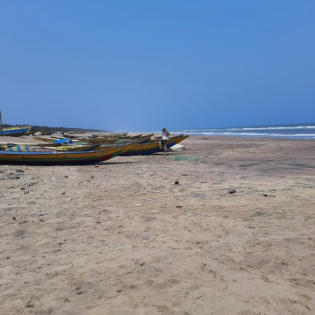
Explainer: What You Need to Know About Climate Change and Blue Carbon
The area where land meets the sea, known as coastal ecosystems, could be the key to reducing the effects of climate change. What is blue carbon? Blue carbon refers to the carbon dioxide (CO2) stored within marine or coastal ecosystems worldwide. These ecosystems include coastal plants such as mangroves, seagrasses, and salt marshes, which trap CO2 in their seabeds.
Mexico’s Blue Carbon Pioneers Push on Despite Lack of State Support
When hurricanes Opal and Roxanne both hit the Mexican state of Yucatán in a ten-day period in 1995, they destroyed much of the mangrove forest in the small coastal community of San Crisanto. The local people responded by replanting mangroves and clearing channels among the trees to allow water to flow freely. They committed to protect the ecosystem.


The Week with IPS

NEXT STOP - SDGs
Tracking global progress towards a sustainable world
Tracking global progress towards a sustainable world
