Languages
Friday, September 4, 2026



News and Views from the Global South
East Africa
HEALTH-TANZANIA: A Hazardous Route to the Cradle
Tatu Shabani Tumbo's first born was diagnosed with strength-sapping anaemia, and died a toddler. Doctors had no medical explanation for the sudden death of her second child at age one. She then tried to get pregnant a third time, initially without success.
HEALTH-DR CONGO: Water Everywhere, But Is It Safe To Drink?
The rain falls in battering sheets, rolling eastward along the Congo River through Kinshasa, capital of the Democratic Republic of Congo (DRC). It is midday, but the sky turns black and soon the potholed streets of this decrepit yet vibrant metropolis are filled with pond-sized puddles, many of them larger than the cars that traverse them.
Q&A: "Between Implementation and Planning, There Is a Disconnect"
Accounting for about a third of the gross domestic product in sub-Saharan Africa, agriculture clearly plays a significant role on the continent. But, figures only tell part of the story. A review of Africa produced under the International Assessment of Agricultural Science and Technology for Development (IAASTD) notes that agriculture is also "woven into the fabric of most societies and cultures in the region."
POLITICS-KENYA: Big Cabinet, Bigger Challenges
The oaths of office have been taken, and solemn pronouncements made about the ills that have dogged Kenya's past, and the way to address these in the future. Now, can the East African country's vast new coalition government move from talking the talk to walking the walk?
Q&A: "As a Woman Politician in Kenya, You Need to Think Out of the Box"
A coalition cabinet for Kenya was sworn in Thursday amidst mingled relief and exasperation on the part of those living in the East African nation: relief at the possibility of Kenya now being able to rebuild in earnest after post-election violence, and exasperation at the price tag attached to this hope.
POLITICS-DRC: Cautious Calm Settles Over War-Scarred Ituri Region
Wading through the chest-high grass outside of this hamlet in north-eastern Democratic Republic of Congo, Mathieu Nyakufa gestures to the bones - still bleaching in the sun - of those who have been lost to the country's wars.
Q&A: "I Will Give the Big Boys a Run For Their Money"
She's made her mark in the history books by becoming one of only three women to contest the presidency in Kenya; but, Nazlin Umar won't be taking up residence in State House, at least not during the current political term.
POLITICS: Democracy Unfinished
A new report by the Geneva-based Inter Parliamentary Union (IPU) has shown that women are changing the priorities and sometimes the tone of legislatures around the world. But, it also highlights the slow pace at which the number of parliamentary seats held by women is increasing.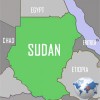
POLITICS-SUDAN: The Census Saga Continues
Sudan's crucial national census has been delayed by a week over concerns that displaced persons living in the north have still not been repatriated to the south, something which could seriously affect the results of the count.
DEVELOPMENT: Reinventing Agriculture
The results of a painstaking examination of global agriculture are being formally presented Tuesday with the release of the final report for the International Assessment of Agricultural Science and Technology for Development (IAASTD).
Q&A: "Increase Agricultural Productivity While Reducing the Environmental Footprint"
Over the past few years, Robert Watson has had what must qualify as one of the world's tougher assignments: heading an initiative to help agriculture cope with the substantial challenges it faces presently, and the even bigger hurdles ahead.
Q&A: "I Don't Consider Myself a Loser in Any Way"
In the run-up to Kenya's Dec. 27 general elections, IPS touched base with legislative candidate Pamela Mburia on several occasions to discuss the challenges she was facing in her campaign. Ultimately, Mburia did not win the Eastern Province seat of Nithi that she contested, so this week we decided to join her again to look back on lessons learned.UGANDA: “God Should Be So Kind That I Can Have Contraceptives”
For many of Africa's women, getting access to family planning services is difficult at the best of times. When war intervenes they can find themselves without any services at all, even as they become more vulnerable to sexual violence - the situation in northern Uganda being a case in point.
Q&A: "The Death Sentence Was Used As a Tool of Intimidation"
Journalism in Ethiopia has become an increasingly hazardous trade over recent years. A clampdown on the media in the wake of disputed elections in 2005 continues to resonate in the country, while certain members of the press have even found themselves facing capital punishment.
Q&A: "A Collective Ignorance About How Agriculture Interacts With Natural Systems"
Representatives from countries, civil society and the private sector are meeting this week in Johannesburg, South Africa, to review the findings of the three-year International Assessment of Agricultural Science and Technology for Development (IAASTD).HEALTH-TANZANIA: Slowly, a More Enlightened Approach to Drug Addiction
If the first step to overcoming drug addiction is admitting you have a problem, then Tanzania may be on the road to recovery.DEVELOPMENT-UGANDA: Smaller Families, Manlier Men
For Ugandan men, the equation is often a simple one: an abundance of children equals virility and security. This deeply rooted belief has frightening implications, however. According to the Uganda Bureau of Statistics, the population of the East African country - now 31 million - will exceed 36 million by 2015, and is projected to reach 54 million in 2025.
DEVELOPMENT: Towards a New and Improved Green Revolution
As food prices soar and hundreds of millions go hungry, experts from around the world will this week present a new approach for ensuring food security, at the intergovernmental plenary for the International Assessment of Agricultural Science and Technology for Development (IAASTD). The Apr. 7-12 conference is taking place in South Africa's commercial hub, Johannesburg, and will be attended by representatives of an estimated 60 governments.RIGHTS-SUDAN: Torture Claims Cast Doubt on Capital Convictions
The lives of 10 Darfuris convicted of killing a prominent Sudanese journalist in 2006 hang in the balance as lawyers struggle to prove that their confessions were extracted under torture, and should therefore be dismissed. The case has thrown the spotlight on court proceedings here and prompted concern that other capital sentences might be unsafe.
RIGHTS: Failure To Renew DRC Expert’s Mandate Draws Criticism
The decision of the United Nations Human Rights Council not to renew the mandate of its independent expert on human rights for the Democratic Republic of Congo (DRC) has met with fierce criticism from a leading human rights organisation.
Q&A: "A World 'Unfit' for 2.2 Billion Children"
As the United Nations plans to commemorate the 20th anniversary of its landmark Convention on the Rights of the Child next year, the world's 2.2 billion children continue to suffer the consequences of growing poverty, rising illiteracy, increasing sexual abuse and widespread military conscription in conflicts worldwide.« Previous Page — Next Page »


The Week with IPS

NEXT STOP - SDGs
Tracking global progress towards a sustainable world
Tracking global progress towards a sustainable world
