Languages
Saturday, November 7, 2026



News and Views from the Global South
Pakistan
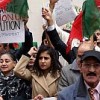
PAKISTAN: Hard on Civil Society, Soft on Extremists
Pakistani President Gen. Pervez Musharraf appears to be following a strategy of being hard on lawyers and the judiciary, and soft on Islamist extremists - the two groups he blamed for imposing emergency rule in the country on Saturday.US-PAKISTAN: Bush Bets the Farm on Musharraf
Pakistani President Pervez Musharraf on Saturday declared emergency rule, fired the county's chief justice and suspended the constitution, effectively giving him absolute power in a country many U.S. experts warn is spinning out of control.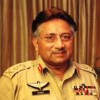
POLITICS-PAKISTAN: 'Judicial Activism' Triggered Emergency
By taking a stand on crucial constitutional issues, implicit in cases before it, the Pakistan Supreme Court may have raised the political temperature to a point where, in order to remain in power, President Gen. Pervez Musharraf felt compelled to declare emergency on Saturday.POLITICS-PAKISTAN: Pro-Taliban Militants Grip Swat Valley, Defy Army
Violence has escalated this week in Swat, a high valley in the North West Frontier Province (NWFP) bordering Afghanistan, where a tenuous ceasefire was broken by brazen attacks on government targets by pro-Taliban militants.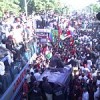
MEDIA-PAKISTAN: Bomb Blasts Add to Journalists' Risks
When TV cameraman Arif Khan added to the list of over 140 people who died in the bombings that targeted the welcome procession for former prime minister Benazir Bhutto, on Oct. 18, it highlighted the many risks that journalists in Pakistan now face.PAKISTAN/AFGHANISTAN: Civilians Flee Air Strikes on Militant Targets
Civilians are fleeing Pakistan’s lawless border areas abutting Afghanistan following heavy artillery fire and air strikes by the military against militant targets.
POLITICS-PAKISTAN: Attempt on Bhutto Adds to List of Shadowy Attacks
'Jaanisar-e-Benazir' (bodyguards ready to die for Benazir) proclaimed the white t-shirts sported by Pakistan Peoples’ Party (PPP) workers responsible for security around the convoy of former prime minister Benazir Bhutto as she returned to Pakistan on Thursday, after almost nine years of self-exile.
POLITICS-PAKISTAN: Daughter of the East Returns – With West's Backing
The much bruited ‘deal’ between Pakistan’s twice-elected, twice-deposed former prime minister Benazir Bhutto and President Gen. Pervez Musharraf has cast a shadow over her triumphal homecoming on Thursday, after nine long years of self-imposed exile.MEDIA-PAKISTAN: New Musharraf Term Less Liberal?
Journalists are divided on whether attacks on the media will cease, against the backdrop of what looks like another five-year presidential term for Gen Pervez Musharraf.Q&A: ''We Plan to Handle and Control the Army''
Of the 60 years that Pakistan has existed, a total of 40 have been under the direct or indirect rule of the army. Each round of martial law has left the army with even greater power and influence. The current cycle - that began with army chief Pervez Musharraf seizing power in 1999 - has been no different.U.S.-PAKISTAN: Sharif's Exile "Flouts" Int'l Law
The George W. Bush administration and its closest ally in the Islamic world, Saudi Arabia, are facing scathing criticism from one of the world's leading human rights watchdogs for their covert support to the Pakistani government's continued crackdown on democracy activists.PAKISTAN: Taliban Taunt Musharraf by Detaining His Soldiers
The seriousness of the challenge to Pakistan President Gen. Pervez Musharraf’s authority in the remote tribal areas bordering Afghanistan was apparent this week when the Taliban captured 180 soldiers in two separate incidents.« Previous Page





The Week with IPS

NEXT STOP - SDGs
Tracking global progress towards a sustainable world
Tracking global progress towards a sustainable world
