Languages
Friday, October 2, 2026



News and Views from the Global South
Sri Lanka
Mental Health Work in Humanitarian Crises
When the devastating ‘Boxing Day' tsunami hit Sri Lanka in December 2004, claiming over 35,000 lives and rendering 1.5 million people homeless, the World Health Organization (WHO) was confronted by a second disaster soon after it arrived to begin relief efforts in early January.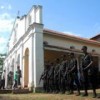
SRI LANKA: A Life Lost in Protest Against Pension Bill
Even before 22-year-old Sri Lankan worker Roshen Chanaka was pronounced dead at the Colombo North Hospital on Jun. 1, a large contingent of military personnel had moved in to secure the building. And to the small undertaker’s premises to which his body was later brought, the soldiers followed.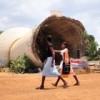
SRI LANKA: Water Washes Away Some Conflict
It was the second anniversary of Sri Lanka’s bloody war that ended on May 19, 2009, but for 23-year-old Fathima Imsana, there were more pressing things to do than celebrate two years of peace.SRI LANKA: Plan to Host 2018 Commonwealth Games Opposed
Sri Lanka plans to host the Commonwealth Games seven years from now and spend two billion dollars, in what politicians and economists slam as another extravagant adventure aimed at boosting President Mahinda Rajapaksa.SRI LANKA: Peace Dividend Skips Remote Villages
The road to Unnichchai in eastern Sri Lanka makes for a nerve-wracking journey trying to avoid large crater-like potholes, squeezing across narrow bridges, and passing by a patchwork landscape of paddy fields - both abandoned and cultivated - with not a building in sight.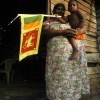
SRI LANKA: Wounds of War Healing Slowly
Suresh Sundaram and Wilfred Wickremasinghe live 350 kilometres apart, and have never met each other. But their lives ran parallel for over a quarter of a century, as war ravaged their tear-shaped country Sri Lanka and changed their destinies forever.SRI LANKA: For Women, War for Survival Continues in Peacetime
The civil war ended two years ago this month, but for war-affected women—widows, mothers, daughters, and former rebels— the struggle to survive rages on.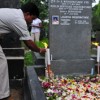
SRI LANKA: War Long Over, Media Still Muzzled
It has been two years since the end of Sri Lanka’s decades long war, and life in general has begun to slowly edge back towards normalcy here. Not so for the country’s besieged media community, according to observers and journalists alike - reporting still feels hemmed in and muzzled, they say.U.N. Chief Powerless to Pursue War Crimes in Sri Lanka
U.N. Secretary-General Ban Ki-moon admitted Monday he is not empowered to establish an international war crimes tribunal to probe the "serious violations" of international humanitarian and human rights law committed during the concluding stages of the decades-long conflict in Sri Lanka in May 2009.SRI LANKA: U.N. Chief Rejects Request to Quash War Crimes Report
The United Nations, which is embroiled in a dispute with Sri Lanka over a controversial report detailing war crimes charges against the government of President Mahinda Rajapaksa, has rejected an appeal to keep the findings under wraps.SRI LANKA: Government Adopts Time-Tested Strategy to Thwart U.N. Report
These are trying times for the Mahinda Rajapaksa government here. Faced with renewed international scrutiny over alleged abuses during the last phase of the island’s bloody civil war, the government has once again readied itself to face off global giants, yet another test of will and skill on the global stage.
SRI LANKA: Finally Dengue Takes a Beating
Dengue infections and deaths here have declined significantly this year.
SRI LANKA: Latest Elections Reinforce Status Quo
The latest elections in Sri Lanka serve as yet another reminder that despite all its follies, President Mahinda Rajapaksa’s government is unshakable.Sri Lanka: NGOs Face Funding Gap and Government Scrutiny
Lack of donor funding, state phobia against western NGOs, and restrictive work permits for foreign aid workers have together hit the operations of several dozen Sri Lankan NGOs and their foreign counterparts.
SRI LANKA: Cricket Unites Fractured Island
Twenty-year-old Veethirasa Winston is planning his schedule meticulously for the next few weeks, making sure he keeps his diary free on days when Sri Lanka’s national team takes the cricket field.
Elephants Find a Place in Cricket Cup
Sri Lanka goes into a frenzy this month as it plays co-host to the 2011 Cricket World Cup. Conservationists hope the national pasttime will share national and international media attention with an endangered Sri Lankan resident: the elephant.
SRI LANKA: Garment Industry Woos Women Workers
Sri Lanka’s garment industry has launched a multi-million rupee campaign to bring in female workers shunning the country’s most profitable sector for better paying jobs.SRI LANKA: Domestics Court Risks, Defying Age Bar
Sri Lanka has raised the age requirement for women wanting to leave the country to work as domestics abroad, but recruitment agents say this won’t prevent younger women from joining the exodus.SRI LANKA: Press Freedom Burns in Colombo
At 2 a.m. on Monday morning, the headquarters of one of Sri Lanka's leading bilingual news sources, Lanka E-News (LEN), was burned down in the predawn darkness.SRI LANKA: East Reels Under Triple Whammy
The name Mawilaru will be indelibly linked to the history of over 25 years of civil strife in Sri Lanka, especially its bloody end. It was here that the final phase of the war was triggered in June 2006.DEVELOPMENT: Now for ‘Millennium Consumption Goals’
A Sri Lankan scientist is calling for the drafting of "Millennium Consumption Goals" to force rich countries to curb their climate-damaging consumption habits, in the same way the poor have Millennium Development Goals to get them out of poverty.« Previous Page — Next Page »


The Week with IPS

NEXT STOP - SDGs
Tracking global progress towards a sustainable world
Tracking global progress towards a sustainable world
