Languages
Friday, October 9, 2026



News and Views from the Global South
#Water&Sanitation
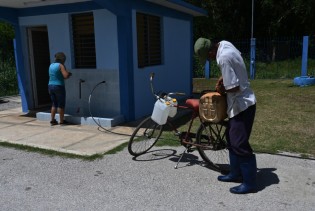
A Cuban Town Improves Water Quality Through Desalination
Overnight, hundreds of people in the rural community of Las Mangas, located in Granma province in eastern Cuba, realised something they had already suspected: that the water they had been drinking for decades was not exactly crystal clear, but rather “salty”, as they say.
Micro-Dams, a Solution to Water Shortages in Rural Brazil
Water shortage is over, springs have emerged or become perennial, small ponds with fish have formed and pastures have become greener and more permanent, all thanks to the ‘barraginhas’, the Portuguese name given in Brazil to micro-dams that retain rainwater and infiltrate it into the soil.
Poor Water Distribution Infrastructure Gives Jamaica a ‘Water Scarce’ Label
It will take billions of dollars and many years to fix a growing problem that has placed Jamaica into the unlikely bracket of being among the world's most water-scarce countries due to the unavailability of potable water.





The Week with IPS

NEXT STOP - SDGs
Tracking global progress towards a sustainable world
Tracking global progress towards a sustainable world
