Languages
Wednesday, October 14, 2026



News and Views from the Global South
World Food Day 2024
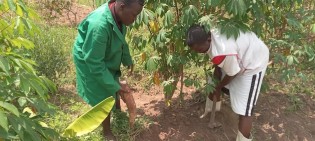
Kenya’s Mung Bean Legislation Debate Underscores Farmers’ Vulnerability
Kenyan farmers have faced a turbulent year, caught between legislative changes and a devastating scandal. While the country's Mung Bean Bill, aiming to regulate the lucrative mung bean industry, has moved to mediation, farmers are battling the fallout from the widespread distribution of counterfeit fertilizers that have jeopardized their crop yields and livelihoods.
World Told Act Now or Face 136 Years of Hunger, Report Warns
High levels of hunger will continue for another 136 years in many developing countries, according to a new report assessing global hunger.
WORLD FOOD DAY – 2024

The world's farmers produce enough food to feed more than the global population. Yet around 733 million people are facing hunger in the world.

UN Goal to End World-Wide Hunger by 2030 is Destined to Miss the Target
A landmark report released last July by five UN agencies— the World Health Organization (WHO), the Food and Agriculture Organization (FAO), the International Fund for Agricultural Development (IFAD), the World Food Programme (WFP) and the UN children’s agency UNICEF—outlined the setbacks in fighting global hunger and warned that the world has fallen behind by more than 15 years in its relentless battle against food scarcities, with levels of undernourishment comparable to those in 2008-2009.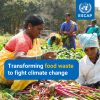
Building Resilience Against Climate Risks: The Transformative Role of Social Protection
While the impact of COVID-19 and the war in Ukraine on food system disruptions was widely covered, underlying food system vulnerabilities across Asia and the Pacific had been steadily growing long before these crises unfolded.
When Will World Food Day be a Day to Actually Celebrate?
World Food Day seems like it should be a time to celebrate. A day to eat delicious meals and enjoy the rich traditions and cultures of food around the globe.
It’s High Time to Turn the “Right to Foods” for a Healthy, Nutritious & Affordable Diet into Reality
This year the theme for World Food Day is “Right to Foods for a Better Life and a Better Future.” It’s a timely reminder that all people have the right to adequate foods. But how do we get from a right to a reality? And why is it so important to think about not just having sufficient food, but also the diversity of diets?





The Week with IPS

NEXT STOP - SDGs
Tracking global progress towards a sustainable world
Tracking global progress towards a sustainable world
