Languages
Tuesday, October 20, 2026



News and Views from the Global South
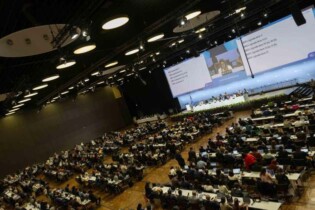
The UN Climate Talks in Bonn Just Failed. Why?
With progress stalled on many issues, this year’s June talks in Bonn—which are supposed to smooth the way towards COP 31 in Antalya at year’s end—were widely judged a failure. What happened? And what does it mean for Antalya?
The Race Is On: Who Will Be the Next UN Secretary General?
Let the race begin! April 1st was the deadline for candidates to be nominated for Secretary-General. Was it a coincidence that the deadline was April Fool’s Day? Judging by the quality of the official candidates, we suspect so.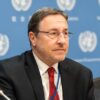
Who Should Lead the UN Development Programme?
In June this year, UNDP bade farewell to Achim Steiner. The ninth Administrator in UNDP’s history had completed a second four-year term in office.
Belem City Limits: How to Host a Successful Climate COP
There is no question that most climate activists and governments were delighted when Brazil offered to host the 2025 UN Climate Conference taking place this November.
UN Reform: Is it Time to Renew the Idea of Clustering the Major Environmental Agreements?
“Never let a good crisis go to waste.” Winston Churchill’s famous maxim feels very relevant today, when multilateralism and many environmental causes seem to be in retreat. We now face a triple planetary crisis of climate change, biodiversity loss, and pollution.
How Should the United Nations Respond to Its Funding Crisis?
The United Nations has been called many things in its time:
Is it Time to Say RIP to the SDGs?
Is it only a decade since the Sustainable Development Goals (SDGs) and the Paris Agreement on climate change were agreed? The two deals were inked to a groundswell of hope.
Can We Still Solve Climate Change?
When it comes to climate change, the awful news has been coming thick and fast. We now know that in 2024, the Earth’s average temperature exceeded 1.5°C above pre-industrial levels for the first time.
Can We Still Solve Climate Change?
When it comes to climate change, the awful news has been coming thick and fast. We now know that in 2024, the Earth’s average temperature exceeded 1.5°C above pre-industrial levels for the first time.
Who Should be the Next UN Leader?
PART 7 FINAL
What makes an effective UN Secretary-General?
In our previous posts, we highlighted six possible candidates: Michelle Bachelet (Chile), Rebeca Grynspan (Costa Rica), Maria Fernanda Espinosa (Ecuador), Alicia Bárcena (Mexico), Mia Mottley (Barbados), and Amina J. Mohammed (Nigeria).

Who Should be the Next UN Leader?
PART 6
Michelle Bachelet is a formidable candidate to be the next UN Secretary-General. Some would even make her the frontrunner, should she choose to stand. Bachelet was the first female head of state in Chile, having served as president on two separate occasions: 2006 to 2010, and 2014 to 2018. Bachelet can also boast a long pedigree when it comes to human rights.

Who Should be the Next UN Leader?
PART 5
This was the stark warning of Rebeca Grynspan, Secretary-General of the UN Conference on Trade and Development (UNCTAD), in 2023.

Who Should be the Next UN Leader?
PART 4
Is the rough-and-tumble of leading the UN General Assembly a good preparation for the top UN job?
Maria Fernanda Espinosa served as President of the UN General Assembly from 2018-2019, garnering votes from 128 out of 193 member states. With her victory, she became only the fourth woman—and the first from Latin America—to run this important UN body.

Who Should be the Next UN Leader?
PART 3
A third possible candidate for UN Secretary-General is Alicia Bárcena. Mexico’s current Secretary of Foreign Affairs, Bárcena boasts a professional background that is both broad and deep.
Who Should be the Next UN Leader?
PART 2
When the conversation turns to who might replace António Guterres as UN Secretary-General, the name of Mia Mottley, Prime Minister of Barbados, is on many insiders’ lips. In addition to being Prime Minister, she also serves as her country’s Minister of Finance, Economic Affairs and Investment, as well as its Minister of National Security and Public Service.

Who Should be the Next UN Leader?
Part 1
Could a UN insider take the top job? Amina J. Mohammed is the current Deputy Secretary-General of the United Nations. She has been in the role since early 2017, making her something of a veteran within senior circles.

GLOBAL COOPERATION ON CLIMATE CHANGE: What Have We Achieved and What Needs to Happen Next?
Climate change has been a source of concern among the international community since the 1970s. Yet, almost fifty years since the issue was first raised in international diplomatic circles by prominent scientists, the situation continues to deteriorate, with rises in temperatures and extreme weather causing ever-magnifying problems around the world.
Will COP28 Catch the Next Green Wave … Or Will It Wipe Out?
Perhaps one of the least well known among Dubai’s many attractions is surfing. Locals and visitors enjoy the sport at Sunset Beach and elsewhere, especially in winter. There is even an artificial wave pool where surfers can hone their skills. To some, the pool is just another example of the host country’s entrepreneurial outlook.
Was COP27 a Success or a Failure?
It’s finally over. After the anticipation and build-up to COP27, the biggest climate meeting of the year is now in our rear-view mirror. The crowds of delegates that thronged the Sharm el-Sheikh international convention center for two long weeks have all headed home to recover. Many will be fatigued from long hours and sleepless nights as negotiators tried to seal a deal that would move the world forwards. Did all this hard work pay off? In our opinion, COP 27 was both better and worse than we’d hoped.
Why Greta Thunberg Is Wrong to Boycott COP27
So, Greta Thunberg won’t be coming to COP27. She’s condemned it as “greenwashing” and cast doubts on the host’s human rights record and lack of access for activists.
Are Climate Summits a Waste of Time?
Next month, the latest annual United Nations climate extravaganza, COP27, will take place in Sharm el-Sheikh, Egypt. Last year it was in Glasgow. Next year it will be held in (drum roll please) … Dubai!Next Page »





The Week with IPS

NEXT STOP - SDGs
Tracking global progress towards a sustainable world
Tracking global progress towards a sustainable world
